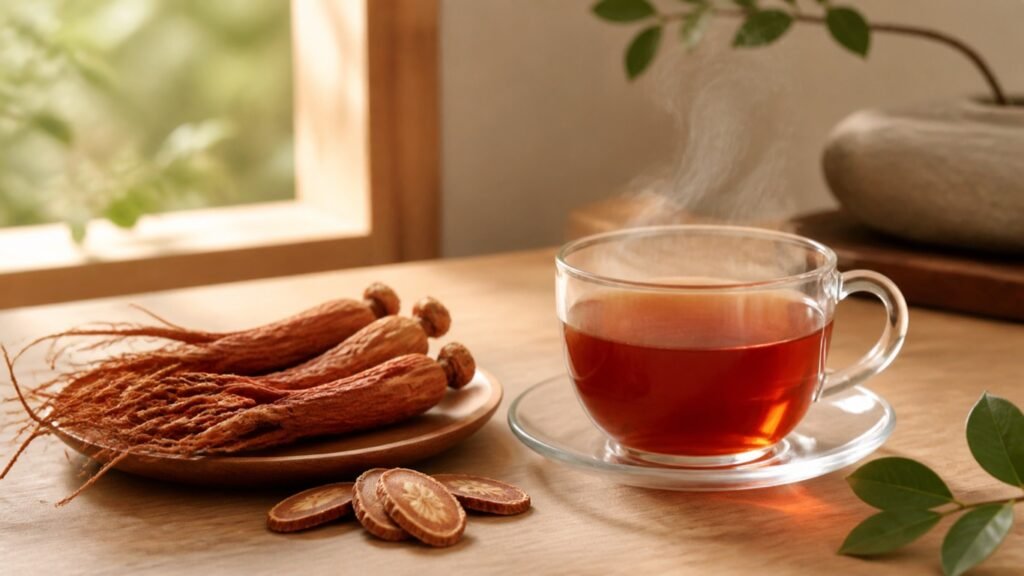
Red ginseng tea is a caffeine-free herbal drink with a long history of traditional use. This practical guide explains what Korean red ginseng is, how it differs from white ginseng, ways to brew extract, root slices, or powder, what current research does and does not support, sensible timing, and important safety considerations. It also shows what to check on a product label before buying.
Exploring Traditional Botanical Products for Your Daily Routine 🌿?
Explore Authentic Korean Red Ginseng Collection →1. Red Ginseng Tea Benefits: Quick Snapshot Summary
If you are looking for an immediate overview before diving into the detailed biological mechanisms and brewing steps, here are the potential benefits most often studied in relation to red ginseng tea. Evidence varies by outcome, so consider it a wellness drink rather than a treatment:
- Energy and Fatigue: Some studies suggest a modest benefit for general fatigue, although results are mixed and red ginseng should not be expected to improve athletic performance.
- Cognitive Function: Preliminary research has explored attention and reaction time, but stronger evidence is still needed before firm claims can be made.
- Immune Function: Ginsenosides and polysaccharides are being studied for possible effects on immune activity, but red ginseng is not a substitute for vaccination or medical care.
- Circulation: Red ginseng has been studied for possible effects on blood-vessel function, but evidence is not strong enough to treat cardiovascular disease.
- Sexual Function: Limited research suggests a possible benefit for some people with erectile dysfunction; persistent symptoms still require medical assessment.
- A Simple Tea Format: A warm infusion can be convenient to include in a routine, although digestive tolerance differs between individuals.
2. What is Korean Red Ginseng Tea & Why is it Preferred?
Korean Red Ginseng (Panax ginseng) is cultivated for six full years under strict climatic conditions before undergoing an elaborate, traditional steaming and drying process. This steaming treatment changes the root’s chemical profile and the proportions of ginsenosides, including compounds such as Rg3 and Rh1, compared with unsteamed white ginseng.
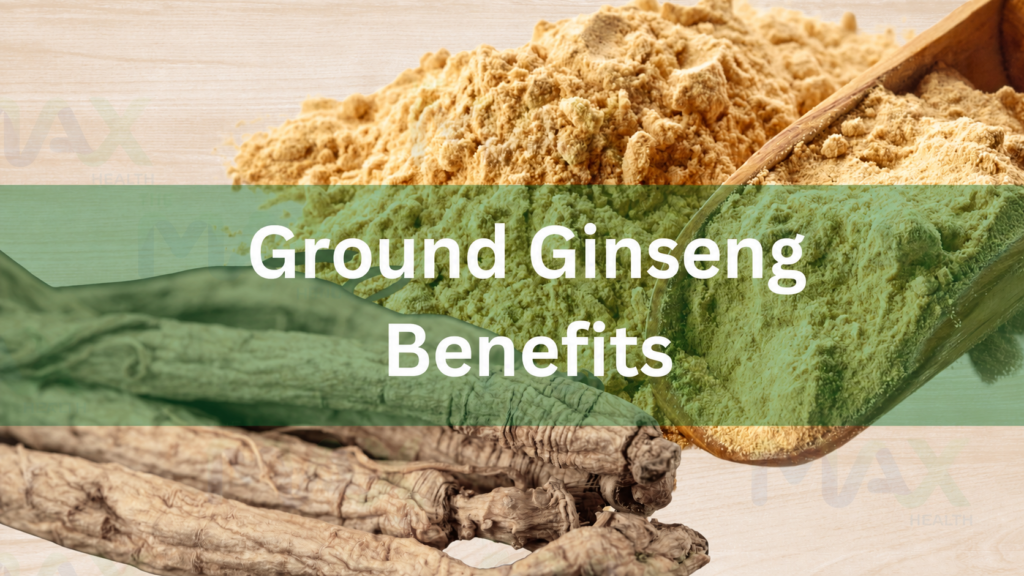
Drinking red ginseng as a hot or warm tea is a traditional and convenient method of consumption. Warm-water brewing extracts water-soluble compounds and produces the root’s characteristic earthy, bittersweet flavor. To learn more about how mature roots are processed, explore our detailed guide on ground ginseng benefits and preparation.
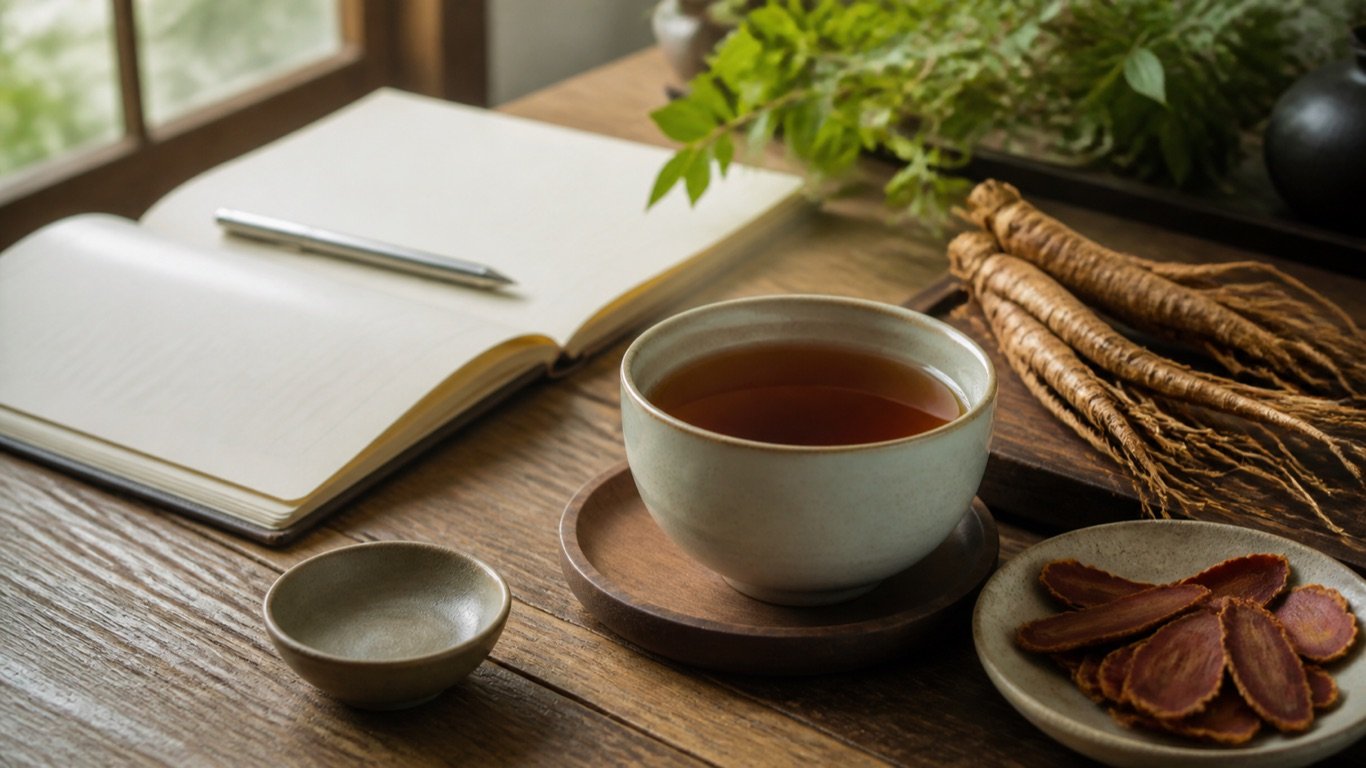
3. Comprehensive Health Benefits of Red Ginseng Tea
A. Immune Modulation and Antioxidant Defense
Laboratory and clinical research has examined how ginsenosides and polysaccharides may influence immune and antioxidant activity. Human trials remain relatively small and short, so these findings should be described as promising rather than proven protection against illness.
B. Mental Focus, Memory, and Cognitive Stamina
Some small studies have explored whether Panax ginseng can support attention, reaction time, or aspects of cognitive function. Results are not consistent enough to promise better memory or concentration, and effects can differ between products and individuals.
C. Physical Vitality, Athletic Recovery, and Stamina
Red ginseng has been studied for fatigue and exercise recovery, but systematic reviews report mixed results and generally do not show improved athletic performance. Rest, hydration, nutrition, and an appropriate training plan remain the foundations of recovery. Readers comparing traditional botanicals can also explore our Malaysian Tongkat Ali collection.
D. Cardiovascular Circulation and Male Intimate Health
Red ginseng has been investigated for blood-vessel function and erectile dysfunction, with limited but cautiously positive findings in some reviews. It should not replace diagnosis or prescribed treatment for erectile or cardiovascular symptoms. For a separate safety comparison, read our guide to royal honey side effects and safer choices.
4. How to Brew Red Ginseng Tea Step-by-Step
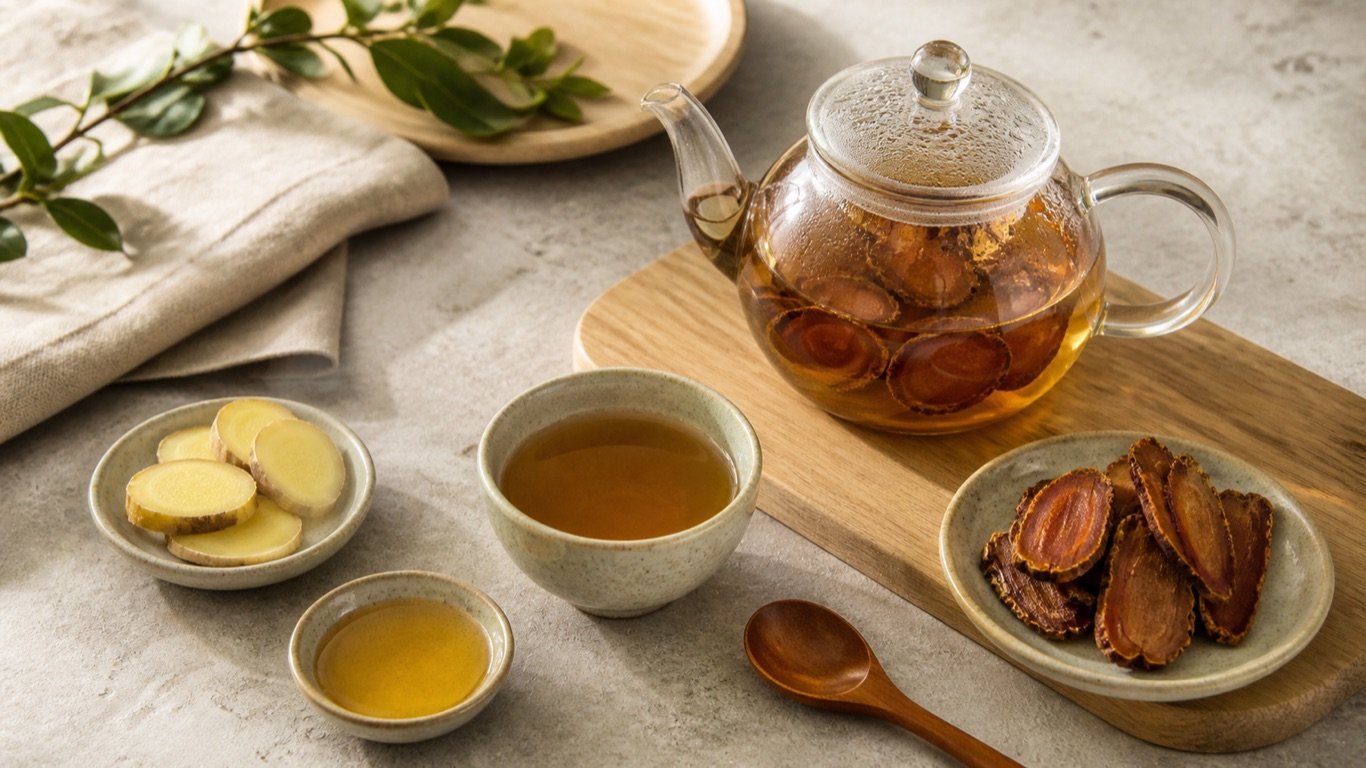
Brewing method and strength depend on the product form. Follow the manufacturer’s directions where available and adjust the following general methods for a pleasant earthy, bittersweet flavor:
Method 1: Brewing from Concentrated Extract (Convenient Option)
- Take 1 measuring spoon (1–2 grams) of pure 6-year Korean red ginseng extract concentrate or 1 stick pack of liquid extract.
- Pour 150ml to 200ml of hot water (ideally 80°C–85°C, not boiling).
- Stir thoroughly until completely dissolved. Add 1 teaspoon of raw natural honey or a slice of fresh ginger if desired.
Method 2: Decoction from Dried Root Slices (Traditional Method)
- Place 5 to 8 dried red ginseng root slices (approx. 5–10g) in a glass or ceramic teapot containing 500ml of fresh spring water.
- Bring to a gentle boil, then immediately reduce heat to low and simmer for 25 to 35 minutes.
- Strain into a cup and sip warm throughout the day. The root slices can be re-steeped 2 to 3 times.
Method 3: Brewing from Pure Ground Ginseng Powder
- Add 1 level teaspoon (approx. 2g) of finely ground red ginseng powder to an infuser cup.
- Pour hot water over the powder and steep covered for 5 to 7 minutes before drinking.
5. Synergistic Blends: Enhancing Your Ginseng Tea
You can vary the flavor of red ginseng tea by combining it with familiar culinary ingredients:
- Ginseng + Fresh Ginger: Adds a warming, spicy flavor that balances the earthiness of the root.
- Ginseng + Honey: Softens the natural bitterness. Add only after the tea cools slightly and account for the added sugar.
- Ginseng + Ceylon Cinnamon: Adds a fragrant, gently sweet aroma without making the tea a treatment for blood-sugar problems.
- Ginseng + Jujube (Red Dates): A traditional Korean pairing that adds mild fruit sweetness and a rounded flavor.
6. Optimal Timing and Daily Dosage Guidelines
There is no universal best time for everyone. Because insomnia is a known side effect, these practical suggestions can help you judge your own tolerance:
- Earlier in the Day: If you find red ginseng alerting, take it with breakfast or early in the day rather than relying on it to overcome persistent fatigue.
- Avoid Late Evenings: Stop or move it earlier if it affects your sleep. Individual sensitivity and product strength vary.
- Daily Amount: Follow the product label because extracts, powders, roots, and tea bags vary greatly in concentration. A cup of tea cannot be converted reliably into a universal extract dose.
- Long-Term Use: Most clinical studies have lasted less than three months. Ask a qualified health professional to review ongoing use, especially if you take medicines.
7. Safety Considerations and Precautions
Red ginseng is generally well tolerated by many adults in short-term studies, but it can still cause side effects or interact with medicines. Insomnia is the most commonly reported side effect; digestive upset, headache, or changes in blood sugar may also occur.
- Blood Thinners: Ask your doctor or pharmacist before use if you take anticoagulant or antiplatelet medicines, including warfarin or aspirin, because an interaction may be clinically important.
- Prescription Medicines: Seek advice if you use medicines for diabetes, blood pressure, cholesterol, depression, or immune conditions. Do not change prescribed treatment on your own.
- Pregnancy, Breastfeeding, and Children: Avoid use unless a qualified clinician confirms it is appropriate. Stop use and seek advice if you develop a concerning reaction.
8. Frequently Asked Questions (FAQ)
1. Does red ginseng tea contain caffeine?
Pure red ginseng root is naturally caffeine-free. However, blended products may contain green tea, black tea, guarana, or other caffeine sources, so always check the ingredient list.
2. How does red ginseng differ from white ginseng in tea?
White ginseng is dried without steaming, whereas red ginseng is steamed and then dried. The process changes the proportions of several ginsenosides and gives red ginseng a darker color and deeper flavor, but it does not make every red-ginseng product equally effective.
3. Can I drink red ginseng tea every day?
Some adults use it daily, but the appropriate amount depends on the product and your health. Follow the label, avoid exceeding the recommended serving, and ask a health professional if you plan to use it long term or take medication.
4. Where can I find authentic 6-year Korean red ginseng?
Choose products with a clear ingredient list, botanical name, serving amount, manufacturer details, batch information, and relevant quality certification. Discover our curated selection in the Korean Red Ginseng Collection or explore all verified products on The Max Health Best Sellers hub.
Evidence and Safety Sources
This article uses cautious wording because research results differ by product, dose, population, and outcome. For independent evidence and current safety guidance, see:
- NCCIH — Asian Ginseng: Usefulness and Safety
- PubMed — Meta-analysis of ginseng, fatigue, and physical performance
Premium 6-Year Korean Red Ginseng Extracts & Roots
If you are comparing 6-year cultivated root extracts and dried roots, review the ingredient list, concentration, serving directions, quality information, and delivery options:
Explore Authentic Korean Red Ginseng in Store →