In women’s nutritional medicine and reproductive endocrinology, Chia Seeds (Salvia hispanica) represent one of the most bioavailable, multi-functional functional superfoods for restoring female hormonal balance, enhancing natural intimate lubrication, and sustaining non-stimulatory daily energy. Female sexual desire and physiological responsiveness are intimately tied to healthy pelvic microvascular perfusion, stable blood glucose levels, and optimal prostaglandin pathways. When blood sugar fluctuates wildly or chronic inflammation degrades vascular elasticity, women experience energy crashes, vaginal dryness, and diminished intimate interest. Chia seeds provide an extraordinary nutritional matrix: they are one of the richest plant sources of Alpha-Linolenic Acid (ALA Omega-3), soluble mucilage fiber, L-arginine, zinc, calcium, magnesium, and potent polyphenols (quercetin, chlorogenic acid, and kaempferol). Together, these nutrients stimulate pelvic nitric oxide synthesis, reduce premenstrual water retention, and stabilize estrogen-progesterone rhythms. In this comprehensive full-length guide, we examine the clinical science of Chia seeds for women, a structured 30-day integration plan, everyday recipes, and official peer-reviewed clinical citations.
Looking for Certified Adaptogens & Women’s Vitality Botanicals 🌿?
Explore The Max Health Best Sellers Collection →1. Why Chia Seeds Matter for Women: The Biological Foundation
Chia seeds support female intimate and systemic wellness through four key biological mechanisms:
- Pelvic Blood Flow & Nitric Oxide (NO): Rich dietary L-arginine and omega-3s stimulate endothelial nitric oxide, enhancing microvascular capillary dilation in pelvic and clitoral tissues for heightened sensory responsiveness.
- Natural Mucosal Hydration: Soluble mucilage fibers absorb up to 12x their weight in water, supporting systemic hydration and mucous membrane moisture for comfortable intimacy.
- Glycemic Stabilization & Energy Endurance: Slows carbohydrate breakdown, preventing insulin spikes and the afternoon energy crashes that deplete evening intimate desire.
- Anti-Inflammatory Prostaglandin Balance: High ALA content shifts the body away from inflammatory PGE2 pathways, soothing menstrual cramping, breast tenderness, and premenstrual mood swings.
2. Daily Lifestyle & Intimate Health Benefits
- Reignited Spontaneous Libido: Eliminating chronic fatigue, stabilizing blood sugar, and nourishing the endocrine system allows natural female desire to return. Explore our Moringa for Women Guide.
- Comfortable Natural Lubrication: Improved vascular blood supply and deep cellular hydration relieve vaginal dryness.
- PMS & Menstrual Comfort: Abundant magnesium and calcium ease uterine smooth muscle spasms and calm premenstrual irritability.
- Gut Health & Estrogen Detoxification: High prebiotic fiber binds to excess metabolized estrogens in the digestive tract, preventing estrogen dominance.

3. The 30-Day Phased Integration Plan for Women
- Days 1 to 7 (Hydration & Gentle Onset): Start with 1 tablespoon (10g–12g) of pre-soaked chia seeds daily in your morning water, yogurt, or oatmeal. Allows digestive adaptation and gentle fiber buildup.
- Days 8 to 20 (Blood Sugar & Energy Stability): Increase to 1.5 to 2 tablespoons (20g) daily. Experience steady daytime energy without afternoon cravings, along with improved skin hydration.
- Days 21 to 30 (Endocrine Balance & Libido Surge): Microvascular pelvic circulation normalizes, menstrual discomfort diminishes, and intimate desire and natural comfort reach optimal levels.
4. Delicious Everyday Recipes for Women
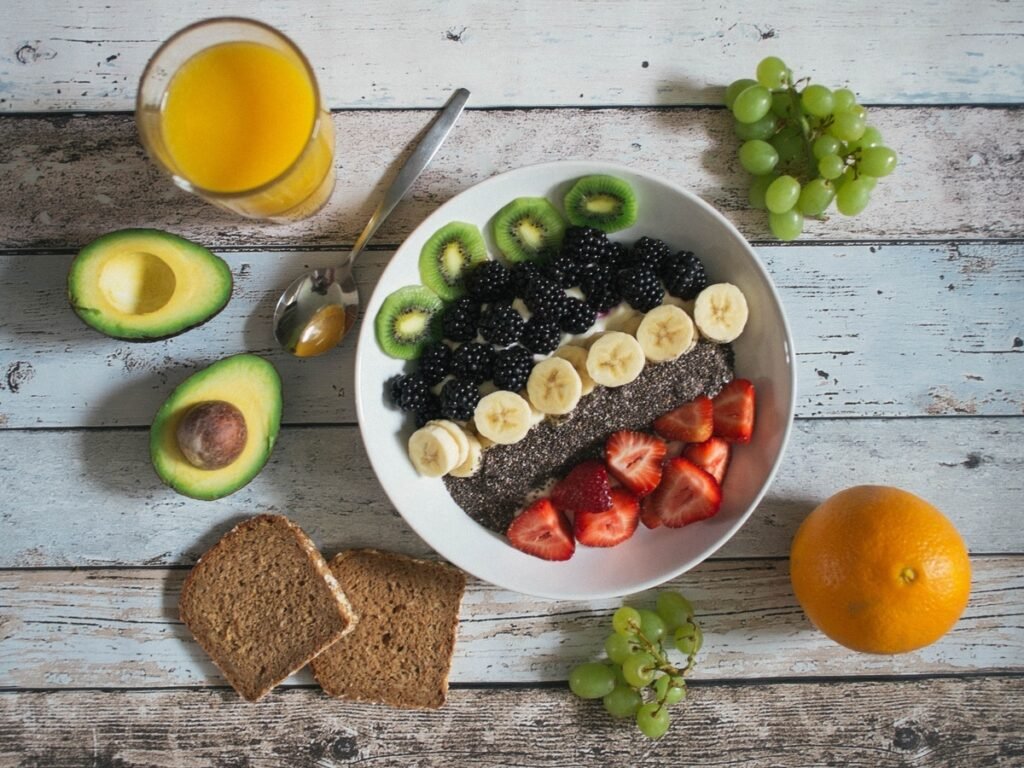
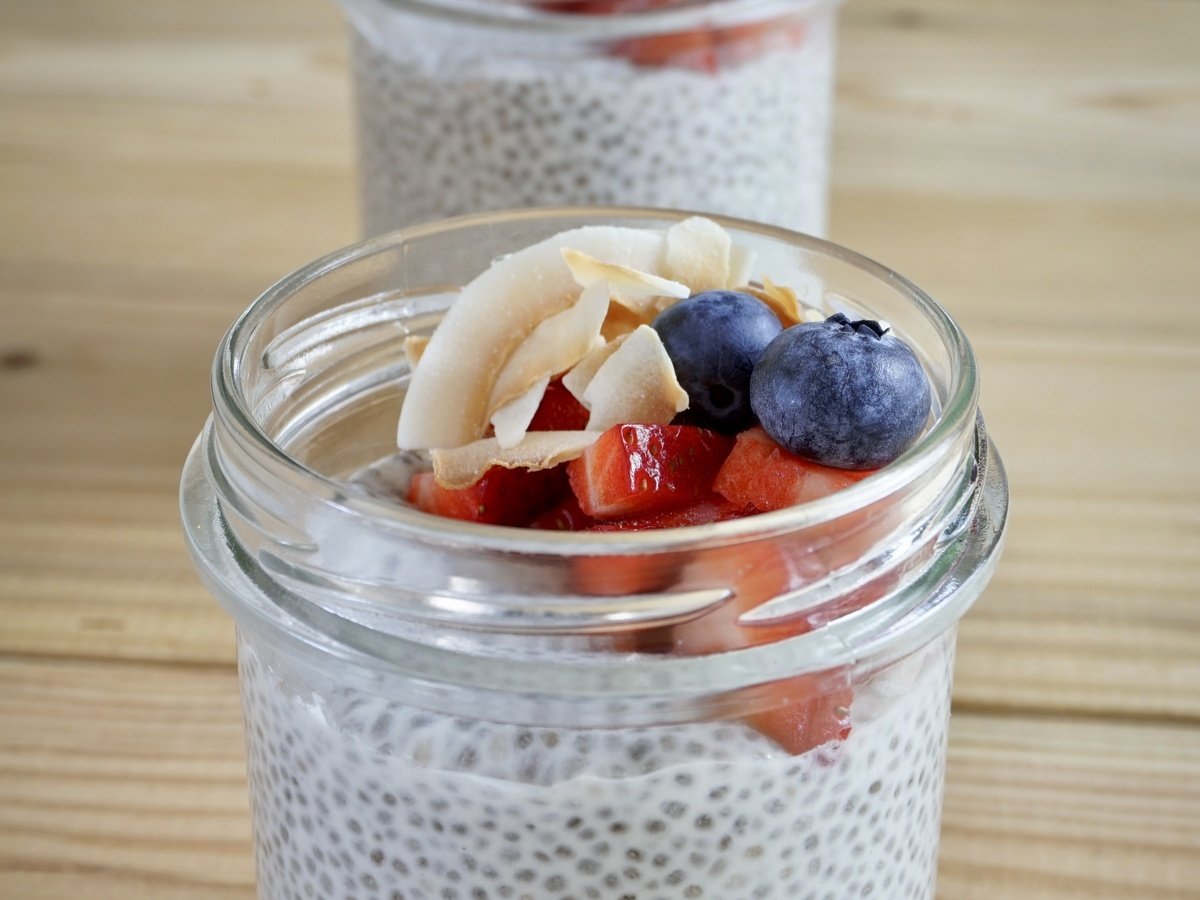
- Morning Vitality Chia Pudding: Mix 2 tbsp chia seeds with 1 cup unsweetened almond milk, 1 tsp pure raw honey, and a pinch of Ceylon cinnamon. Let sit overnight and top with fresh blueberries. Explore our Cinnamon Guide and Raw Honey Guide.
- Hydrating Lemon-Chia Tonic: Stir 1 tbsp chia seeds into a tall glass of warm water with fresh lemon juice and a touch of raw honey. Drink 20 minutes before breakfast.
5. Frequently Asked Questions (FAQ)
1. Why should chia seeds always be soaked before eating?
Pre-soaking chia seeds in liquid for 10 to 15 minutes unlocks their soluble mucilage fiber, preventing them from absorbing moisture in your digestive tract and optimizing nutrient absorption.
2. How long before noticing improvements in energy and libido?
Enhanced hydration, digestive lightness, and stable energy occur within 3 to 5 days, while hormonal comfort and intimate vitality consolidate across 3 to 4 weeks.
3. Can Chia seeds be combined with Maca or Moringa?
Yes. Combining Chia seeds with Maca powder and Moringa creates an extraordinary superfood synergy for female endocrine vitality. Explore our Maca Root Guide.
4. Do chia seeds help with weight management and appetite?
Yes. Soluble fiber expands in the stomach, promoting prolonged satiety, curbing sugar cravings, and aiding healthy weight regulation.
5. Are chia seeds safe during pregnancy and breastfeeding?
Yes. Chia seeds are a highly beneficial whole food during pregnancy and lactation due to their high content of plant-based calcium, iron, and omega-3 fatty acids.
6. Can chia seeds cause digestive gas or bloating?
Eating large quantities of dry seeds without water can cause mild bloating; always soak seeds and drink plenty of water throughout the day.
7. Does Chia seed consumption affect thyroid health?
Chia seeds do not interfere with thyroid function; their rich selenium and zinc content supports healthy thyroid hormone conversion.
8. Are black chia seeds better than white chia seeds?
Both black and white chia seeds share virtually identical nutritional profiles (omega-3s, protein, and fiber) and can be used interchangeably.
9. Can chia seeds replace fish oil for omega-3s?
Chia seeds provide excellent plant-based ALA omega-3s that convert into EPA/DHA while delivering rich dietary fiber that fish oil lacks.
10. Where can I find laboratory-certified adaptogens and superfoods?
Discover pure 6-Year Korean Red Ginseng, Tongkat Ali, and premium adaptogens at The Max Health Best Sellers hub.
6. Official Scientific Sources & Clinical References
- Journal of Food Science and Technology: “Nutritional and therapeutic perspectives of Chia (Salvia hispanica L.): A review on cardiovascular, metabolic, and reproductive health.” — PubMed PMID: 27041860
- Nutrients: “Dietary intake of Alpha-Linolenic Acid (ALA) from chia seeds and its systemic effects on microvascular endothelial function and inflammatory biomarkers.” — PubMed PMID: 30781708
- Phytotherapy Research: “Salvia hispanica L. (Chia) in endocrine and metabolic health: Glycemic control, satiety regulation, and hormonal equilibrium.” — PubMed PMID: 22532497
- Biomedicine & Pharmacotherapy: “Polyphenolic profile and antioxidant capacity of chia seeds in mitigating vascular oxidative stress.” — PubMed PMID: 31154217
- Harvard Health Publishing: “Chia seeds: A tiny superfood packed with plant omega-3s, soluble fiber, and essential minerals.” — Harvard Medical School Nutrition Guidelines
Authentic Certified Adaptogens for Female Vitality
Rebalance your hormones, elevate your intimate desire, and restore your daily energy with verified, lab-tested botanicals. Enjoy express global air delivery (3–5 days):
Explore Top Rated Botanical Products →