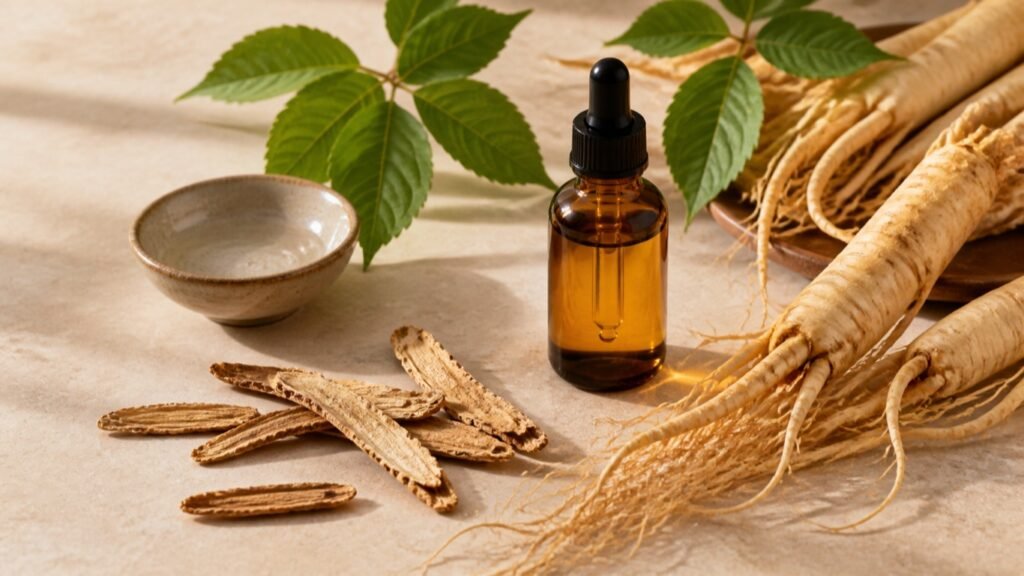
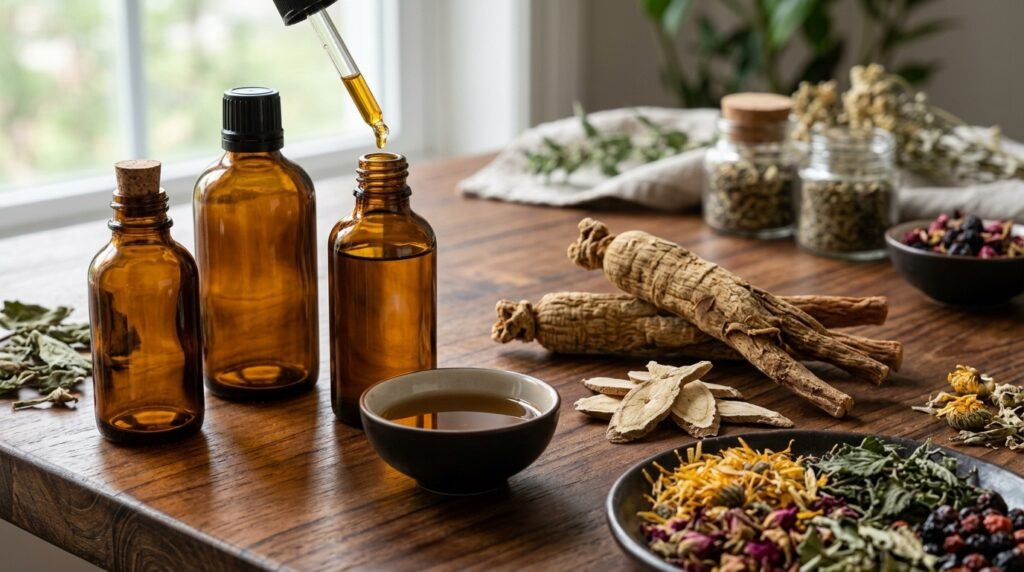
Dietary supplements and botanical adaptogens represent powerful tools in modern preventive wellness, sports nutrition, and hormonal optimization. When used with scientific precision, high-quality supplements bridge nutritional deficits, enhance cellular energy production (ATP), reduce oxidative stress, and support endocrine resilience. However, navigating the modern supplement landscape requires critical discernment: unregulated market formulas, undisclosed fillers, inappropriate megadosing, and unrecognized drug-herb interactions can jeopardize hepatic and renal health. This comprehensive guide provides an evidence-based roadmap for utilizing dietary supplements safely, calculating effective dosages, understanding bioactive standardization, and creating intelligent wellness stacks.
Table of Contents
- 1. Why Supplement Safety is Critical: Bioavailability, Megadosing & Organ Clearance
- 2. How to Choose High-Quality Supplements: Third-Party Certifications & Standardization
- 3. Dosages & Optimal Timing: When and How Much to Take
- 4. Drug-Herb Interactions & Crucial Contraindications
- 5. Intelligent Stacking & Cycling Protocols: Ginseng, Ashwagandha & Tongkat Ali
- 6. Frequently Asked Questions (FAQ)
- 7. Scientific References & Clinical Guidelines
1. Why Supplement Safety is Critical: Bioavailability, Megadosing & Organ Clearance
Dietary supplements are concentrated forms of micronutrients or botanical phytochemicals. Unlike whole foods where nutrients are matrix-bound with fiber, isolated supplements deliver rapid metabolic influxes that engage hepatic Cytochrome P450 (CYP) enzymes and renal filtration channels.
Key biological factors governing supplement safety include:
- The Myth of “More is Better” (Megadosing Risks): Water-soluble vitamins (such as Vitamin C and B-complex) are excreted in urine when taken in excess, but extreme megadoses can cause osmotic diarrhea, kidney stone formation (calcium oxalate), and sensory neuropathy (from excessive Vitamin B6). Fat-soluble vitamins (A, D, E, and K) accumulate in adipose and liver tissues, where chronic excessive intake leads to hypercalcemia, liver stress, and vascular calcification.
- Bioavailability & Chemical Form: Not all mineral compounds are absorbed equally. For instance, cheap Magnesium Oxide has an absorption rate below 5% and causes laxative cramping, whereas chelated forms like Magnesium Bisglycinate or Magnesium Malate offer superior cellular bioavailability without gastrointestinal distress.
- Hepatic Clearance & Kidney Load: High doses of synthetic or poorly formulated multi-ingredient blends can overwhelm hepatic glucuronidation pathways. Regular monitoring of liver function (ALT/AST) and kidney markers (eGFR/Creatinine) is prudent during long-term supplementation.
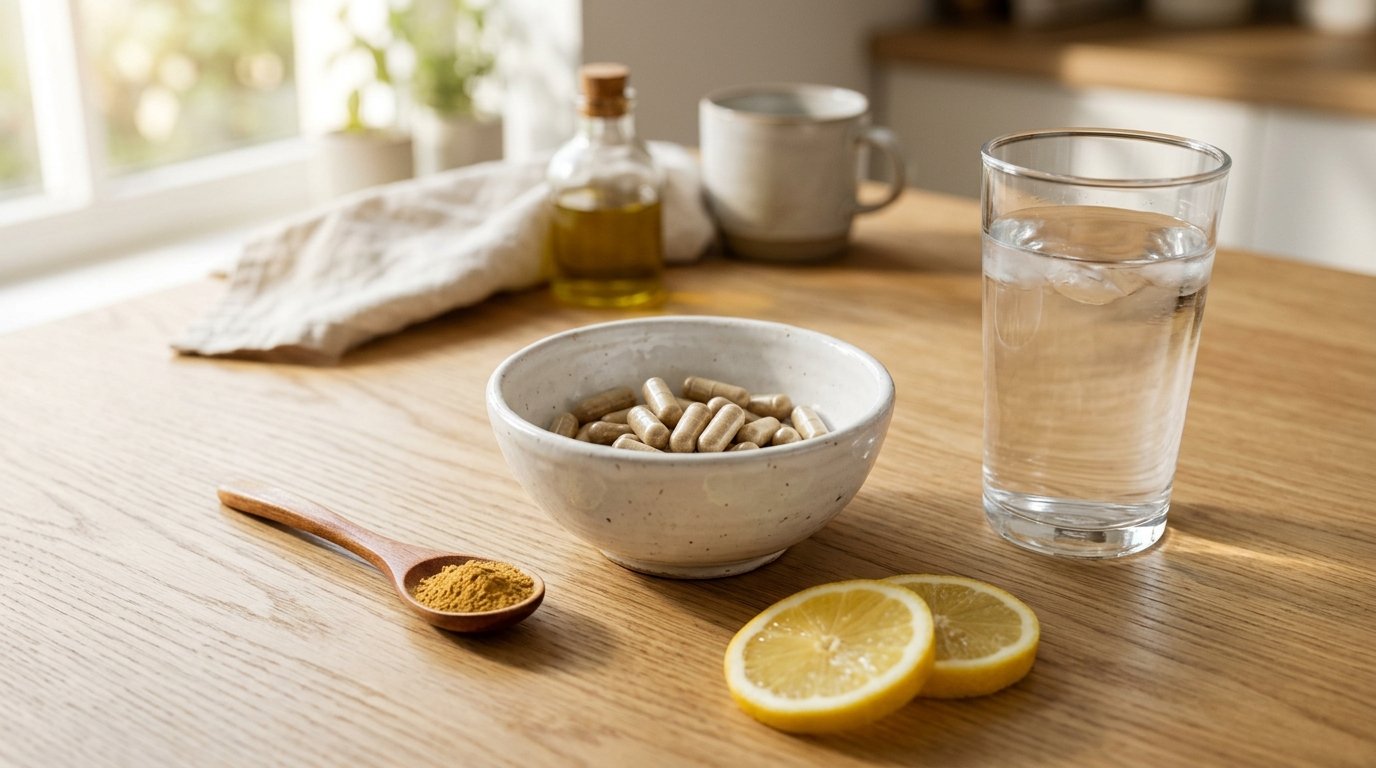
2. How to Choose High-Quality Supplements: Third-Party Certifications & Standardization
To avoid counterfeit formulas, heavy metal contamination, and underdosed botanicals, look for specific verification markers on product packaging and certificates of analysis (CoA):
- Active Chemical Marker Standardization: Raw plant powder contains wildly variable phytochemical levels depending on soil, climate, and harvesting. Authentic supplements guarantee specific active compound percentages:
- Korean Red Ginseng: Standardized to at least 4–15 mg/g of Rg1+Rb1+Rg3 ginsenosides.
- Tongkat Ali: Standardized to 1–2% Eurycomanone via HPLC testing.
- Ashwagandha: Standardized to 2.5–5% Withanolides (e.g., KSM-66 or Sensoril).
- Curcumin: Standardized to 95% Curcuminoids paired with Piperine for 2000% increased absorption.
- Independent Third-Party Auditing: Look for internationally recognized certification seals such as USP (United States Pharmacopeia), NSF International, Informed-Choice, or cGMP (Current Good Manufacturing Practice). These guarantee that the contents match the label exactly and are free from microbial contaminants, lead, mercury, and banned adulterants.
- Excipient Transparency: High-grade supplements use clean vegetarian cellulose capsules (hypromellose) and avoid harmful binders such as hydrogenated oils, artificial colorings (titanium dioxide), and excessive magnesium stearate.
3. Dosages & Optimal Timing: When and How Much to Take
Timing your supplements relative to meals, circadian rhythms, and other nutrients fundamentally determines their biological efficacy:
- Morning with Balanced Breakfast (Fat-Soluble & Stimulatory Adaptogens):
- Vitamin D3 + K2: Requires dietary lipids for intestinal micelle formation.
- Korean Red Ginseng: Boosts cellular ATP and mental focus; best taken early to support daytime energy without interfering with nighttime sleep.
- CoQ10 / Ubiquinol: Best absorbed alongside healthy breakfast fats (eggs, avocado, nuts).
- Midday / Lunch (Metabolic & Circulatory Enhancers):
- Tongkat Ali: Supports afternoon stamina and physical performance.
- Omega-3 Fish Oil (EPA/DHA): Consumed with lunch to prevent fishy burps and support cardiovascular lipid profiles.
- B-Complex Vitamins: Support afternoon carbohydrate and protein metabolism.
- Evening / Dinner / Pre-Bed (Calming Minerals & Adaptogens):
- Magnesium Glycinate (200–400 mg): Promotes GABAergic neurotransmission, relaxes neuromuscular tone, and enhances deep REM sleep.
- Ashwagandha (Withania somnifera): Lowers evening cortisol spikes and facilitates restorative sleep architecture.
- Zinc Chelates: Take with a light evening snack (avoiding dairy, as calcium competes with zinc for absorption).
4. Drug-Herb Interactions & Crucial Contraindications
Botanicals contain potent pharmacological compounds. When combined with prescription medications, adverse pharmacokinetic interactions can occur:
- Anticoagulants & Antiplatelets (Warfarin, Aspirin, Clopidogrel): High-dose Vitamin E, Ginkgo Biloba, high-dose Garlic extract, and excessive Ginseng can exert mild antiplatelet effects. Always consult your cardiologist before combining herbs with blood thinners.
- Antihypertensive Medications: Herbs that naturally lower blood pressure (such as Hawthorn berry or high-dose L-Arginine) may amplify prescription blood pressure drugs, leading to orthostatic hypotension or dizziness.
- Hypoglycemic Medications (Metformin, Insulin): Herbs like Berberine, Cinnamon extract, and Ginseng naturally enhance insulin sensitivity. Blood glucose monitoring is recommended to avoid unexpected hypoglycemia.
- The 2-Hour Spacing Rule: If you take prescription drugs and dietary supplements, space them at least 2 hours apart to minimize competitive absorption in the gastrointestinal tract.
5. Intelligent Stacking & Cycling Protocols: Ginseng, Ashwagandha & Tongkat Ali
To prevent receptor desensitization and achieve balanced hormonal vitality, use evidence-based stacking and cycling schedules:
- The Synergistic Vitality Stack:
- Morning: 6-Year Korean Red Ginseng (for endothelial nitric oxide, stamina, and mental sharpness) + Vitamin D3/K2.
- Midday: Standardized Tongkat Ali (for free testosterone support and recovery).
- Night: Magnesium Glycinate + Ashwagandha (for cortisol regulation and deep sleep).
- The 5-Days-On / 2-Days-Off or 8-Weeks-On / 2-Weeks-Off Cycling Rule: Taking brief periodic pauses from potent adaptogens helps maintain peak receptor sensitivity and allows your body’s endogenous regulatory systems to remain fully responsive.
6. Frequently Asked Questions (FAQ)
Q1: What is the very first step before starting any new dietary supplement?
The first step is identifying your specific health objective and establishing a baseline. Check your current dietary intake and obtain baseline blood work (such as Vitamin D, Complete Blood Count, Liver & Kidney profiles, and Testosterone) so you supplement with purpose rather than guesswork.
Q2: Do I need laboratory blood tests before taking every single botanical supplement?
Blood tests are essential for specific micronutrients that can accumulate to toxic levels (such as Vitamin D, Iron, and Vitamin B12) and for hormones. For general herbal adaptogens like Korean Red Ginseng or Ashwagandha, laboratory testing is not strictly mandatory, but an annual health checkup ensures optimal baseline safety.
Q3: How long should I take a supplement before evaluating its effectiveness?
Most natural adaptogens and cellular nutrients require 4 to 8 weeks of consistent, daily usage to elicit measurable physiological shifts. Cellular membrane incorporation (like Omega-3s) and endocrine modulation (like Tongkat Ali and Ginseng) are cumulative biological processes.
Q4: How can I prevent negative interactions between prescription medications and herbs?
Always disclose all supplements to your prescribing physician. Check pharmacological interaction databases (such as Memorial Sloan Kettering or Natural Medicines Database) and always space oral medications and supplements by at least 2 to 3 hours.
Q5: Can Korean Red Ginseng and Ashwagandha be taken together safely?
Yes, they are complementary adaptogens when timed correctly. Take Korean Red Ginseng in the morning for energized focus and blood flow, and Ashwagandha in the evening to reduce cortisol and promote deep rest.
Q6: Are natural herbal supplements always safer than pharmaceutical drugs?
Natural does not automatically mean risk-free. Herbs contain bioactive compounds that exert real physiological actions. While standardized herbs generally carry a favorable safety profile with fewer dependency risks, they must still be respected, dosed accurately, and vetted for purity.
Q7: What is the difference between standardized extract and crude plant powder?
Crude plant powder is merely dried, crushed plant matter with unmeasured, unpredictable active levels. A standardized extract guarantees an exact concentration of verified active molecules (such as 10 mg/g ginsenosides in Korean Red Ginseng), ensuring clinical consistency and potency batch after batch.
Q8: What should I do if a supplement causes mild nausea or stomach upset?
Most minor digestive issues occur when potent supplements (especially Zinc or concentrated botanicals) are taken on an empty stomach. Always consume them alongside a substantial meal. If discomfort persists, halve the dose for 5 days or switch to a chelated form.
Q9: How do I know if a dietary supplement brand is authentic and trustworthy?
Verify that the brand provides transparent third-party Certificates of Analysis (CoA), displays cGMP manufacturing seals, lists exact botanical genus and species (e.g., Panax ginseng C.A. Meyer), states the standardized active percentage, and operates with clear contact and sourcing transparency.
Q10: Should dietary supplements be taken year-round without breaks?
Essential daily micronutrients (like Vitamin D or Omega-3) can be taken continuously based on dietary needs. However, potent botanical adaptogens (like Ginseng and Tongkat Ali) benefit from periodic cycling (e.g., 8 weeks on, 1–2 weeks off) to maintain optimal cellular receptor sensitivity.
7. Scientific References & Clinical Guidelines
- Journal of Ginseng Research (2021): Standardization, Bioavailability, and Safety of Panax ginseng Extracts: A Comprehensive Pharmacological Review. PMID: 33544312.
- Frontiers in Pharmacology (2020): Herb-Drug Interactions: Mechanisms, Clinical Relevance, and Evidence-Based Safety Guidelines. PMID: 32982736.
- Nutrients (2020): Dietary Supplements: Quality, Regulatory Considerations, and Safety in Clinical Practice. PMID: 32630286.
- Phytotherapy Research (2019): Clinical Efficacy and Safety Profile of Eurycoma longifolia and Withania somnifera in Stress and Hormonal Adaptation. PMID: 31087532.
- Harvard Health Publishing (2022): Supplements: A Sensible Approach to Vitamins, Minerals, and Botanicals for Long-Term Health.