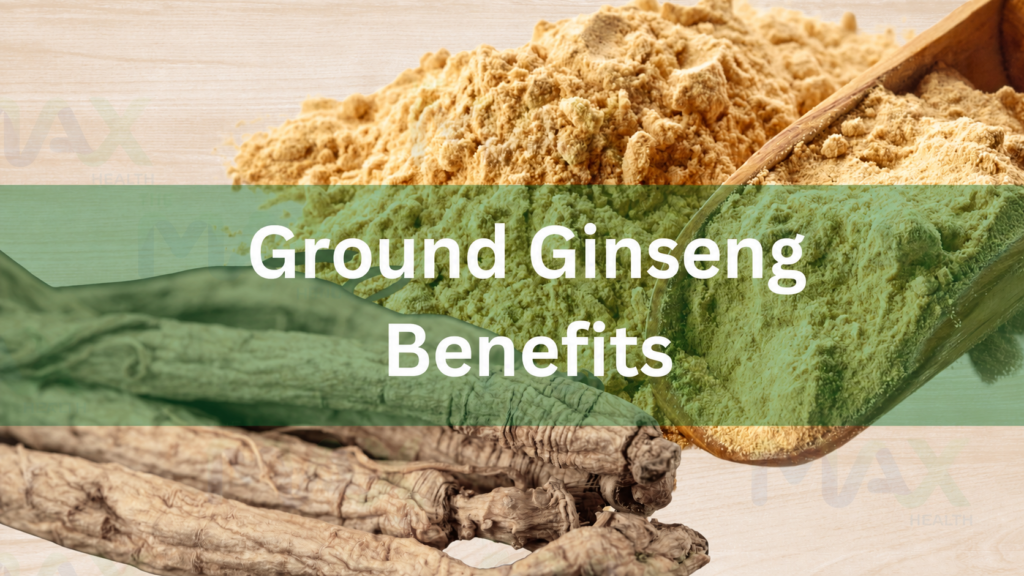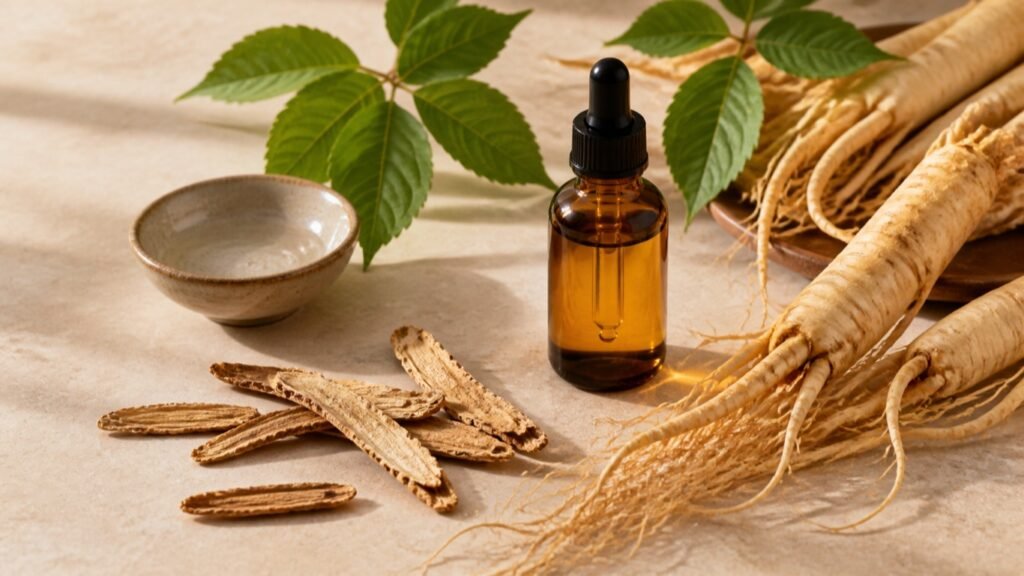
Optimizing sexual capacity, physical stamina, and intimate confidence is a holistic biological endeavor that requires addressing vascular, neurological, muscular, and hormonal health. In contrast to temporary synthetic shortcuts that merely force acute vasodilation without addressing underlying vitality, a comprehensive lifestyle approach creates enduring physiological resilience. By nourishing the vascular endothelium with dietary nitric oxide precursors, strengthening pelvic floor musculature, managing cortisol through restorative sleep, and leveraging standardized botanical adaptogens, men and couples can achieve transformative, sustainable improvements in physical vigor and intimate well-being.
Table of Contents
- 1. The Biological Drivers of Sexual Capacity: Vascular, Hormonal & Neurological Pillars
- 2. The Nutritional Blueprint: Foods & Snacks That Drive Microvascular Blood Flow
- 3. Targeted Physical Training: Cardio, Heavy Compounds & Pelvic Floor (Kegels)
- 4. Sleep Architecture & Circadian Hormonal Surges
- 5. Stress Modulation: Lowering Cortisol & Supporting Parasympathetic Arousal
- 6. Standardized Botanical Adaptogens: Ginseng, Tongkat Ali & Synergistic Herbs
- 7. Psychological Synergy & Partner Communication
- 8. Frequently Asked Questions (FAQ)
- 9. Scientific References & Clinical Studies
1. The Biological Drivers of Sexual Capacity: Vascular, Hormonal & Neurological Pillars
Enduring sexual capacity and stamina are not governed by chance or isolated organs; they reflect the health of interconnected physiological systems:
- Endothelial Function & Nitric Oxide (NO): The vascular endothelium lines every blood vessel in the body. When stimulated, it converts L-arginine into nitric oxide via endothelial nitric oxide synthase (eNOS). Nitric oxide triggers smooth muscle relaxation in penile cavernous tissue, allowing robust arterial blood engorgement.
- Endocrine Balance & Free Testosterone: Testosterone drives sexual desire, stimulates penile nocturnal tumescence, accelerates physical recovery, and maintains muscle density. Maintaining low sex hormone-binding globulin (SHBG) and healthy Leydig cell function ensures optimal free testosterone levels.
- Autonomic Nervous System Equilibrium: Arousal and erection require dominant parasympathetic nervous system activity (“rest and digest”). High psychological stress triggers sympathetic overdrive (“fight or flight”), causing peripheral vasoconstriction and premature detumescence.
- Pelvic Neuromuscular Integrity: The ischiocavernosus and bulbocavernosus muscles compress the deep dorsal vein of the penis, preventing premature venous outflow and sustaining rigid erection duration.
2. The Nutritional Blueprint: Foods & Snacks That Drive Microvascular Blood Flow
Nutrition acts as the biochemical fuel for vascular elasticity and neurotransmitter synthesis. Incorporate these key functional foods into your daily meals:
A. Primary Vascular Power Foods
- Beets & Arugula (Dietary Nitrates): Rich in inorganic nitrates (NO3-), which oral and gut bacteria reduce to nitrite (NO2-) and ultimately bioavailable nitric oxide, significantly lowering arterial stiffness.
- Watermelon (L-Citrulline): High in natural L-citrulline, an amino acid that bypasses hepatic metabolism and converts directly into L-arginine in the kidneys, elevating circulating nitric oxide far more effectively than supplemental L-arginine alone.
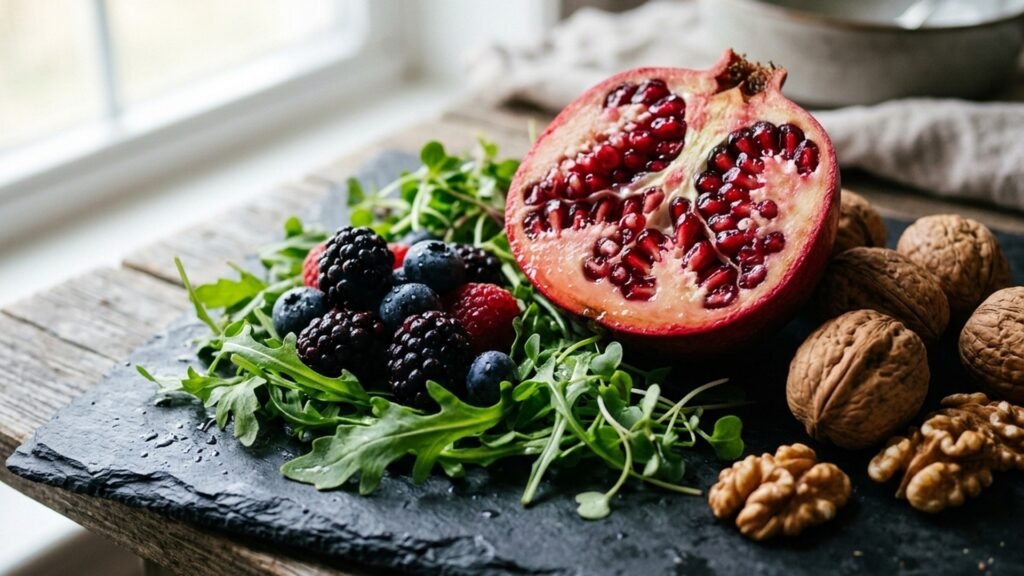
- Pomegranate & Berries (Ellagitannins & Anthocyanins): Powerful polyphenols that protect nitric oxide molecules from oxidative degradation by reactive oxygen species (ROS).
- Oysters, Pumpkin Seeds & Shellfish (Zinc): Essential for 17beta-hydroxysteroid dehydrogenase enzymatic activity in testosterone synthesis and healthy spermatogenesis.
- Dark Chocolate (85%+ Cacao Flavonols): Flavonols stimulate eNOS activity and enhance peripheral capillary perfusion within 2 hours of consumption.
B. Daily Stamina Snack Protocol
Keep your vascular system primed throughout the day with these nutrient-dense snack combinations: a handful of raw walnuts (rich in omega-3 ALA and L-arginine) paired with 2 tablespoons of raw pumpkin seeds and a cup of unsweetened green tea or hibiscus tea.
3. Targeted Physical Training: Cardio, Heavy Compounds & Pelvic Floor (Kegels)
Physical movement directly conditions your heart to pump blood efficiently and stimulates endogenous anabolic hormone production:
- Compound Resistance Training: Heavy multi-joint movements (barbell squats, deadlifts, weighted lunges, overhead presses) recruit large muscle masses, stimulating acute growth hormone and testosterone release while strengthening the pelvic girdle.
- Zone-2 Aerobic Cardio & Sprint Intervals (HIIT): 30–40 minutes of steady-state Zone-2 cardio (jogging, cycling) promotes capillary angiogenesis, while short high-intensity sprint intervals optimize cardiac stroke volume.
- Pelvic Floor (Kegel) Exercises: Contract the pubococcygeus (PC) muscle—the same muscle used to stop urine flow midstream—hold firmly for 5 to 8 seconds, then relax for 5 seconds. Perform 3 sets of 10–12 repetitions daily. Clinical trials show that 12 weeks of targeted pelvic floor training resolves mild-to-moderate erectile weakness and improves ejaculatory control in over 70% of men.
4. Sleep Architecture & Circadian Hormonal Surges
Over 70% of daily testosterone synthesis occurs during deep, uninterrupted REM and Stage-3 slow-wave sleep. Chronic sleep restriction (5 hours or less per night) reduces daytime testosterone levels by up to 15% within just one week, while elevating cortisol and inflammatory cytokines that impair vascular tone.
- Target 7.5 to 8.5 Hours of Rest: Maintain consistent sleep-wake times to synchronize your circadian endocrine clock.
- Optimize Sleep Hygiene: Keep your bedroom completely dark, maintain a cool ambient temperature (18–20°C / 65–68°F), and avoid blue light exposure from screens 60 minutes before bed.
5. Stress Modulation: Lowering Cortisol & Supporting Parasympathetic Arousal
Chronic psychological and work-related stress floods the bloodstream with cortisol and catecholamines (adrenaline and noradrenaline). These stress hormones cause immediate peripheral vasoconstriction, diverting blood away from pelvic organs toward major survival muscles.
- Box Breathing & Physiological Sighs: Inhale deeply for 4 seconds, hold for 4 seconds, exhale for 4 seconds, and hold for 4 seconds. This rapidly stimulates the vagus nerve, lowering heart rate and shifting the autonomic nervous system into parasympathetic dominance.
- Mindfulness & Outdoor Sunlight: 20 minutes of morning sunlight exposure regulates circadian melatonin and cortisol rhythms, elevating daytime dopamine and serotonin levels.
6. Standardized Botanical Adaptogens: Ginseng, Tongkat Ali & Synergistic Herbs
Clinical herbal adaptogens provide targeted biochemical reinforcement for vascular health, stamina, and endocrine balance:
- 6-Year Korean Red Ginseng (Panax ginseng): The premier adaptogen for vascular health. Its unique ginsenosides (Rg1, Rb1, Rg3) directly stimulate eNOS, reduce arterial oxidative damage, and combat physical fatigue without causing synthetic jitteriness. Learn more at The Max Health Korean Red Ginseng.
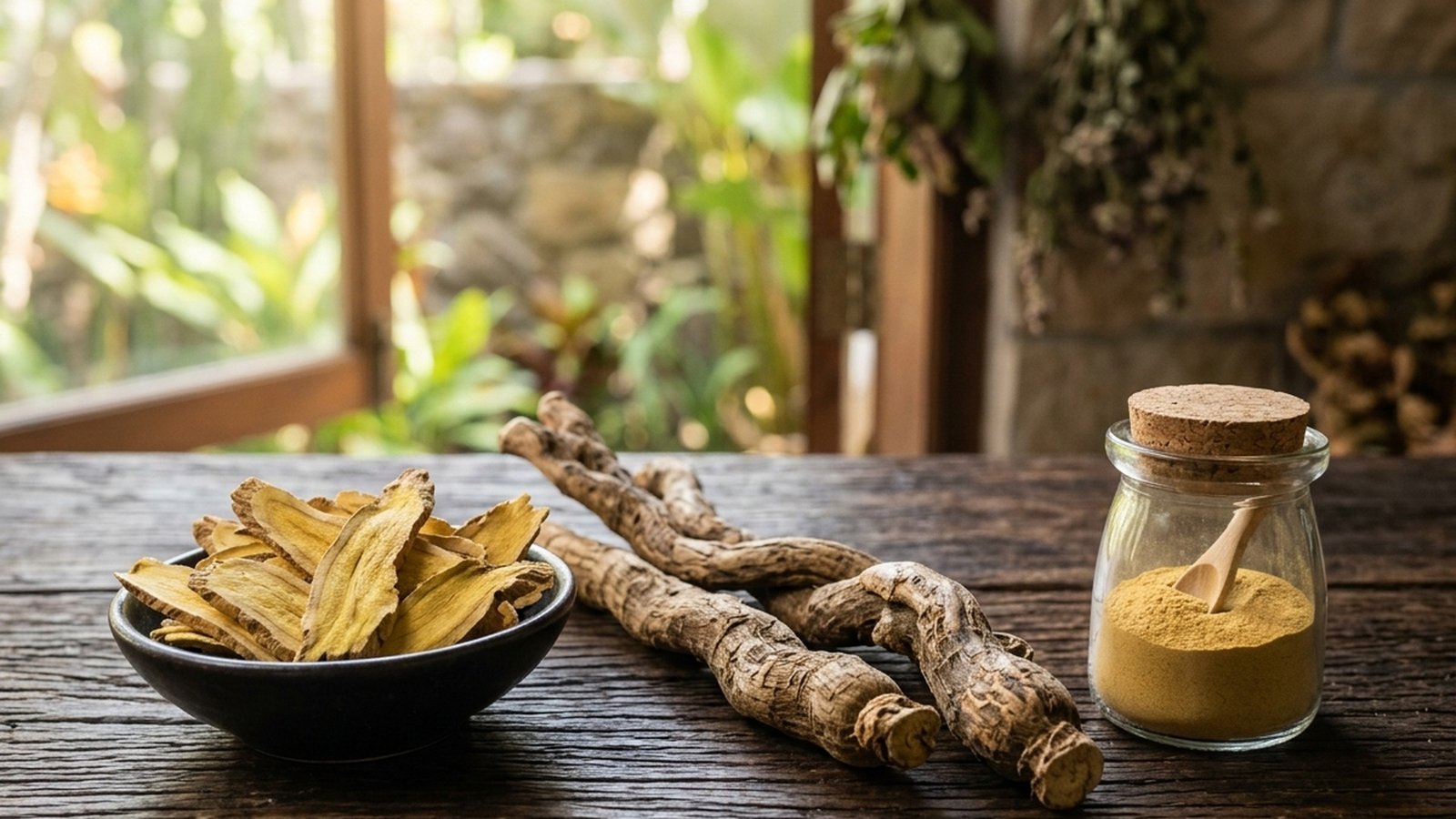
- Tongkat Ali (Eurycoma longifolia): Contains bioactive quassinoids (eurycomanone) that help liberate bound testosterone from SHBG, supporting free testosterone availability, muscular power, and physical stamina. Explore The Max Health Tongkat Ali.
- Ashwagandha (Withania somnifera): Lowers serum cortisol by up to 28%, enhances sleep quality, and supports overall reproductive health.
- Maca Root (Lepidium meyenii): Rich in macarides and glucosinolates that support subjective libido, energy levels, and mood resilience.
7. Psychological Synergy & Partner Communication
Sexual capacity is intrinsically tied to emotional connection and psychological ease. Performance anxiety creates a vicious cycle of sympathetic vasoconstriction. Cultivating open, transparent communication with your partner, removing performance pressure, and focusing on mutual sensual exploration transforms intimacy into a relaxing, deeply fulfilling experience.
8. Frequently Asked Questions (FAQ)
Q1: What is the fastest tip to notice an improvement in sexual capacity?
Acute dietary nitrate loading (drinking 300 ml of pure beetroot juice or eating a large arugula and watermelon salad 2 to 3 hours prior) combined with 15 minutes of deep diaphragmatic breathing delivers noticeable improvements in blood flow and mental relaxation within hours.
Q2: What are the absolute best foods for penile blood flow?
Beetroot, watermelon, pomegranate, wild salmon, garlic, dark leafy greens (arugula, spinach), and 85%+ dark chocolate are the most clinically validated foods for promoting nitric oxide synthesis and arterial dilation.
Q3: Are dietary supplements always necessary to boost sexual stamina?
Supplements are not mandatory if your diet, sleep, and exercise are immaculate, but standardized adaptogens like Korean Red Ginseng and Tongkat Ali significantly accelerate progress, especially for men facing high occupational stress, aging vascular endothelium, or suboptimal energy levels.
Q4: How do Kegel exercises specifically improve erection hardness and stamina?
Strengthening the bulbocavernosus and ischiocavernosus muscles enhances your ability to physically compress the venous exit channels of the penis. This traps arterial blood inside the corpora cavernosa, sustaining peak rigidity and improving voluntary ejaculatory control.
Q5: Can natural lifestyle changes significantly raise testosterone?
Yes. Correcting Vitamin D and Zinc deficiencies, lifting heavy weights 3 times weekly, securing 8 hours of sleep, reducing visceral belly fat, and supplementing with Tongkat Ali can elevate free and total testosterone levels by 20% to 40% in men with suboptimal baseline levels.
Q6: Do energy drinks and sugary sodas help sexual performance?
No. Excessive sugar spikes insulin, causing acute endothelial dysfunction, while high doses of synthetic caffeine trigger sympathetic vasoconstriction. Replace energy drinks with natural adaptogenic teas, pure water, and fresh botanical infusions.
Q7: How does emotional stress destroy sexual stamina?
Stress elevates cortisol and adrenaline, which activate alpha-adrenergic receptors in penile blood vessels, forcing them to constrict. This directly prevents the smooth muscle relaxation required for an erection to form or remain firm.
Q8: Can men with hypertension or diabetes safely use these tips?
Yes. Lifestyle measures such as Zone-2 cardio, Kegel exercises, dietary nitrates from vegetables, and stress management are highly beneficial for managing hypertension and blood glucose. However, always consult your physician before starting concentrated botanical supplements alongside prescription medications.
Q9: When should I consult a doctor for sexual performance issues?
If you experience sudden, persistent erectile dysfunction, painful erections, complete loss of morning erections for over 3 months, or accompanying chest pain during physical exertion, seek immediate medical evaluation, as erectile health is often an early indicator of cardiovascular health.
Q10: What is the ideal daily supplement stack for male vitality?
A synergistic morning stack includes 6-Year Korean Red Ginseng (for nitric oxide and physical stamina) plus Vitamin D3/K2, midday Tongkat Ali (for testosterone support), and evening Magnesium Glycinate with Zinc (for deep neuromuscular recovery).
9. Scientific References & Clinical Studies
- Journal of Ginseng Research (2020): Panax ginseng and Vascular Health: Synergistic Effects of Ginsenosides and Nitric Oxide Pathways on Erectile Function. PMID: 32256157.
- Nutrients (2019): Dietary Nitrate and Nitric Oxide Metabolism in Cardiovascular Health and Exercise Performance. PMID: 31108898.
- Phytotherapy Research (2021): Eurycoma longifolia (Tongkat Ali) and Panax ginseng: Evidence-Based Herbal Therapeutics for Male Sexual Function and Vitality. PMID: 33544312.
- BJU International (2018): Pelvic Floor Muscle Training for Erectile Dysfunction and Premature Ejaculation: A Systematic Review and Meta-Analysis. PMID: 29729014.
- Journal of Clinical Endocrinology & Metabolism (2020): Sleep Deprivation and Endocrine Disruptions: Effects on Testosterone, Cortisol, and Metabolic Function. PMID: 32982736.