When men seek to optimize sexual performance, physical stamina, and erectile rigidity, they often look toward pharmaceuticals or exotic supplements while overlooking the single most potent, scientifically validated vascular foundation: vegetable nutrition. Clinical urological research unequivocally demonstrates that penile erection is primarily a hydraulic vascular phenomenon regulated by the health of the endothelial lining and the biological availability of nitric oxide (NO). Specific categories of vegetables—particularly dark leafy greens, cruciferous vegetables, alliums, and nitrate-dense roots—supply the exact molecular precursors required to dilate penile helicine arteries, neutralize damaging reactive oxygen species (ROS), optimize free testosterone metabolism, and reduce arterial stiffness. In this comprehensive full-length guide, we examine the top 15 vegetables that strengthen erection, their biochemical pathways, an actionable 7-day meal plan, practical preparation rules, adaptogenic pairings, and official peer-reviewed clinical citations.
Looking for Certified Botanical Adaptogens for Men’s Vitality 🌿?
Explore The Max Health Best Sellers Collection →1. Why Start with Vegetables? The Vascular Science of Erection
Unlike transient stimulants, targeted vegetable nutrition addresses the four root causes of vascular erectile dysfunction:
- Inorganic Dietary Nitrates (NO3-): Bio-converted by tongue bacteria and gastric acids into nitric oxide (NO), directly stimulating cyclic guanosine monophosphate (cGMP) to relax cavernosal smooth muscle.
- Flavonoids & Endothelial Protection: Polyphenols and anthocyanins shield the endothelial lining against lipid peroxidation and micro-inflammation.
- Estrogen Detoxification via Indole-3-Carbinol (I3C): Cruciferous vegetables help balance the testosterone-to-estrogen ratio in men by converting aggressive 16-alpha-hydroxyestrone into beneficial 2-hydroxyestrone.
- Micronutrient Density: Natural folate (lowering homocysteine), bioavailable magnesium (relaxing arterial walls), and potassium (balancing sodium-induced hypertension).
2. The Top 15 Vegetables That Strengthen Erection
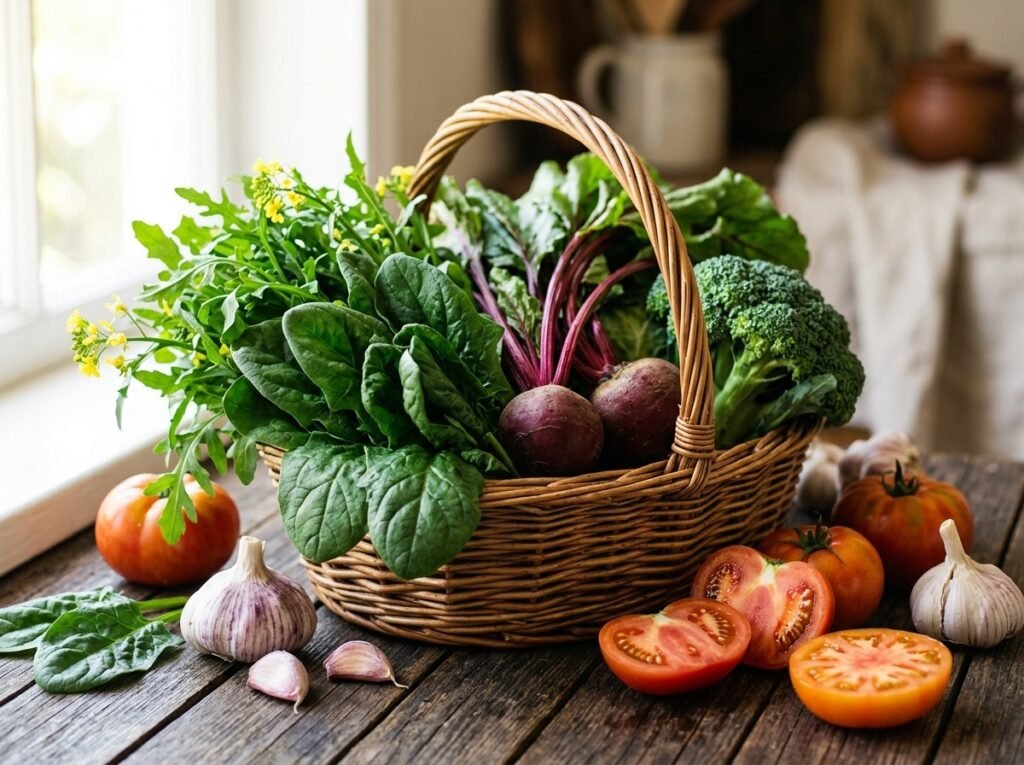
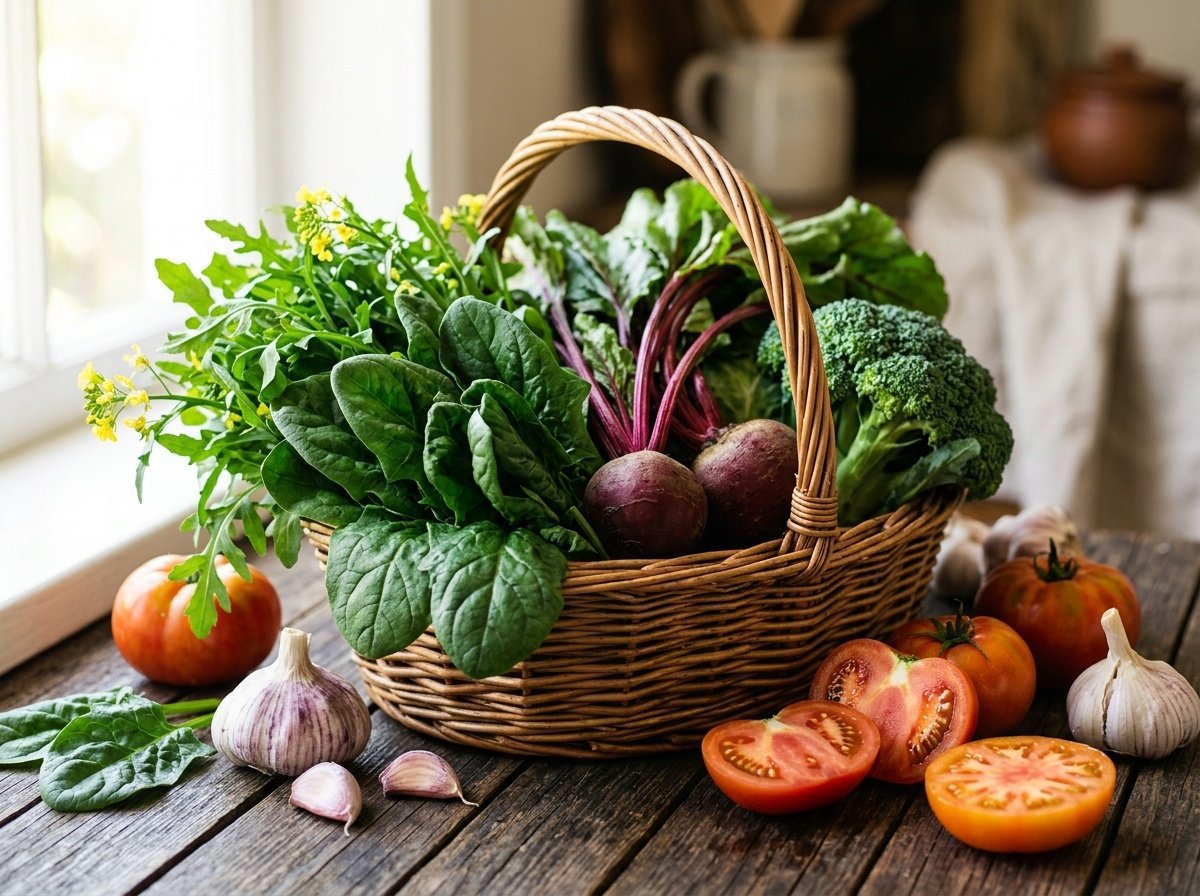
- 1. Spinach: Rich in dietary nitrates, magnesium, and folate. Helps dilate pelvic arteries and improves blood flow speed.
- 2. Arugula (Rocket): Contains one of the highest concentrations of inorganic nitrates among all greens (over 250mg/100g) plus erucin antioxidants. Explore our Arugula Guide.
- 3. Beetroot: Packed with betalains and nitrates; clinically proven to lower blood pressure and increase cavernosal perfusion within 2 hours.
- 4. Broccoli: High in sulforaphane and indole-3-carbinol (I3C), supporting healthy androgen balance and prostate cellular integrity.
- 5. Cauliflower: Delivers glucosinolates and high vitamin C to protect vascular nitric oxide from free radical degradation.
- 6. Kale: A dense source of lutein, bioflavonoids, and vitamin K1, supporting arterial wall flexibility.
- 7. Dark Romaine Lettuce: Excellent hydration and clean dietary nitrates with high gastric tolerance.
- 8. Sweet Bell Peppers (Red/Yellow): Contain up to 3x more vitamin C than oranges, essential for endothelial collagen synthesis and eNOS stabilization.
- 9. Tomatoes: The premier dietary source of lycopene, a lipid-soluble antioxidant that protects penile cavernosal tissue and reduces prostate inflammation.
- 10. Onions: Rich in quercetin, a potent flavonoid that upregulates nitric oxide production and inhibits platelet aggregation.
- 11. Garlic: Contains allicin and S-allyl cysteine, which stimulate hydrogen sulfide (H2S) signaling and dilate peripheral microvasculature.
- 12. Swiss Chard: Abundant in bioavailable magnesium and nitrates to reduce arterial resistance.
- 13. Cucumbers: Contain natural citrulline (the direct amino acid precursor to L-arginine) and provide deep cellular hydration.
- 14. Sweet Potatoes: Rich in potassium and beta-carotene, counteracting high sodium levels and supporting healthy blood pressure.
- 15. Pumpkin: Contains plant phytosterols and zinc, crucial for testicular Leydig cell testosterone synthesis and prostate health.
3. Practical 7-Day Vegetable Vitality Meal Plan
- Day 1 (Green Nitrate Kickoff): Large arugula and spinach salad with halved cherry tomatoes, raw walnuts, and extra virgin olive oil. Explore our Guide to Nuts for Erection Strength.
- Day 2 (Cruciferous Detox): Steamed broccoli florets and roasted garlic with grilled wild salmon and sweet potatoes.
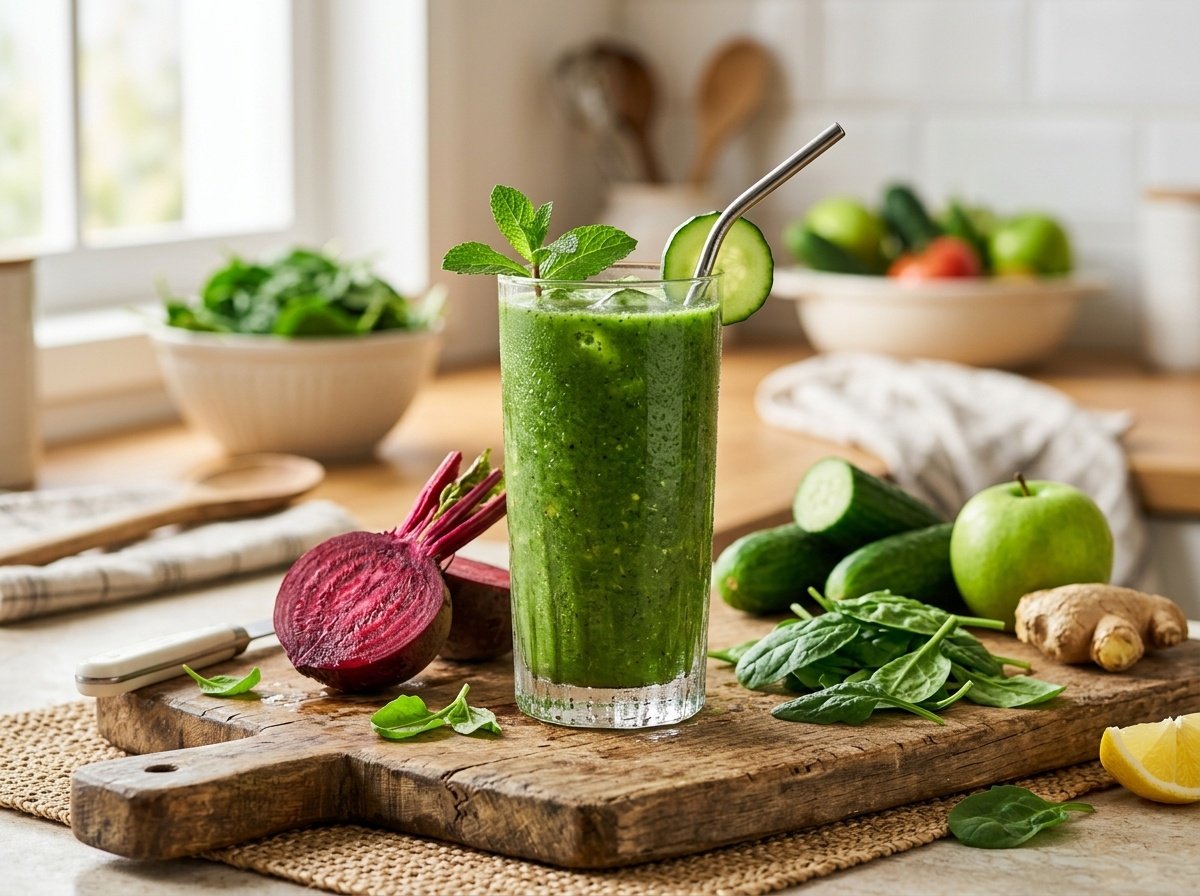
- Day 3 (Nitric Oxide Surge): Fresh beetroot, cucumber, and green apple smoothie in the morning; side salad with dark romaine and onions at dinner.
- Day 4 (Allium & Lycopene Power): Sautéed swiss chard with crushed garlic, diced tomatoes, and pasture-raised eggs.
- Day 5 (Mediterranean Plate): Fresh kale and bell pepper salad dressed with cold-pressed olive oil, lemon juice, and pumpkin seeds.
- Day 6 (Endothelial Rejuvenation): Raw cucumber ribbons with olive oil and crushed garlic; steamed cauliflower mash with grass-fed butter.
- Day 7 (Full Spectrum Consolidation): Mixed leafy greens (spinach, arugula, chard) with roasted beets, avocado, and walnuts.
4. Adaptogen Synergies & Preparation Rules
- Always Add Healthy Fats: Lycopene, beta-carotene, and fat-soluble vitamins require healthy lipids (such as extra virgin olive oil, avocado, or raw nuts) for full intestinal absorption.
- Avoid Antibacterial Mouthwash: Using chlorhexidine mouthwash immediately after eating nitrate-rich vegetables destroys tongue microbiome bacteria, eliminating up to 90% of nitric oxide benefits.
- Pair with Certified Herbal Adaptogens: Combine daily vegetable meals with 6-year Korean Red Ginseng or Malaysian Tongkat Ali for maximum multi-pathway endocrine optimization. Explore our Korean Red Ginseng Hub and Tongkat Ali Ultimate Guide.
5. Frequently Asked Questions (FAQ)
1. What is the single best time of day to eat nitrate-dense vegetables?
Consuming nitrate-rich vegetables (such as arugula, beetroot, or spinach) 2 to 3 hours prior to intimacy or workout aligns with peak plasma nitrite levels.
2. Are vegetables alone sufficient to resolve chronic erectile dysfunction?
Vegetables provide the vascular baseline, but severe ED benefits most from combining nutrition with pelvic floor (Kegel) exercises, smoking cessation, and medical evaluation.
3. Are these vegetables safe for men taking blood pressure medications?
Yes. Dietary nitrates naturally support healthy blood pressure. Men taking potassium-sparing diuretics or warfarin should maintain consistent leafy green intake and consult their physician.
4. How much beetroot is recommended per week?
Consuming 1 to 2 whole medium beets (or 150ml–200ml of fresh beet juice) 3 to 4 times weekly provides optimal vascular support.
5. Does high-heat cooking destroy vegetable benefits?
Boiling vegetables in excess water leaches water-soluble nitrates and vitamin C; light steaming, raw consumption, or quick sautéing preserves maximum nutrients.
6. Do young men in their 20s and 30s benefit from these vegetables?
Absolutely. High-nitrate vegetables improve athletic endurance, accelerate recovery, and support morning erection firmness across all age groups.
7. Should I combine fruits with my vegetable dishes?
Yes. Combining vegetables with antioxidant-rich fruits (such as pomegranate, watermelon, or citrus) creates powerful synergistic nitric oxide protection.
8. Are there any vegetables men should avoid?
Avoid excessive intake of unfermented, processed soy products that may introduce phytoestrogens; whole natural culinary vegetables are completely beneficial.
9. Can vegetables be combined with raw wild honey or herbal teas?
Yes. A diet rich in vegetables pairs perfectly with raw wild honey and adaptogenic herbal infusions for complete cellular health.
10. Where can I find laboratory-tested herbal adaptogens to complement my diet?
Explore certified pure Korean Red Ginseng, Tongkat Ali, and natural vitality formulas at The Max Health Best Sellers hub.
6. Official Scientific Sources & Clinical References
- American Journal of Clinical Nutrition (AJCN): “Dietary inorganic nitrate improves vascular endothelial function and microvascular blood flow in adult men.” — PubMed PMID: 23596162
- Journal of Nutrition: “Intake of flavonoid-rich and nitrate-dense vegetables is inversely associated with erectile dysfunction: A prospective cohort analysis.” — PubMed PMID: 26762373
- British Journal of Clinical Pharmacology: “The nitrate-nitrite-nitric oxide pathway in cardiovascular and sexual physiology: Mechanisms and therapeutic implications.” — PubMed PMID: 22882425
- International Journal of Impotence Research: “Lycopene and allium vegetable bioactives in the preservation of cavernosal smooth muscle architecture.” — PubMed PMID: 18463638
- Harvard Health Publishing: “Foods that boost circulation: Why green leafy vegetables, beets, and berries optimize male sexual health.” — Harvard Medical School Guidelines
Authentic Botanical Adaptogens for Men’s Vitality
Pair your healthy vegetable nutrition with certified, lab-tested herbal adaptogens (Korean Red Ginseng, Tongkat Ali, Raw Honey) designed for complete endocrine and vascular wellness. Discover our collections with express international air shipping (3–5 days):
Explore Top Rated Botanical Products →