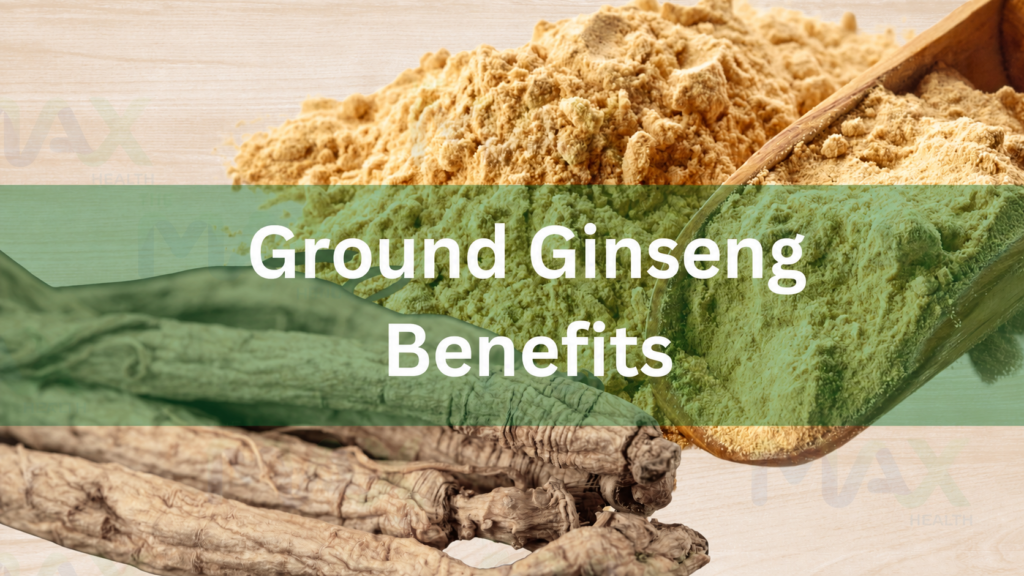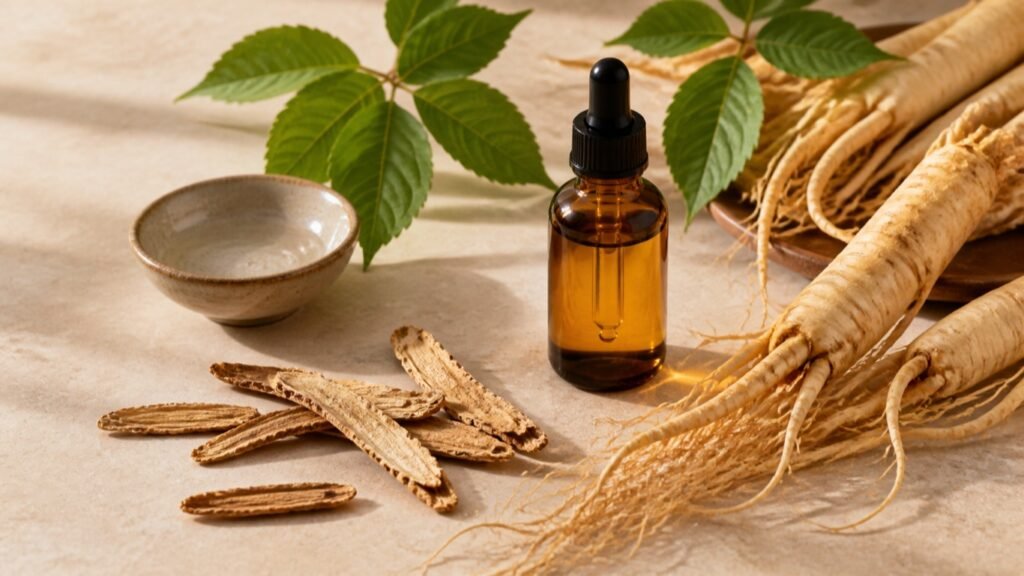
One of the most persistent debates in herbal medicine centers on a straightforward question: is fresh ginseng stronger than dried or cured ginseng? While intuition might suggest that freshly harvested botanical roots retain greater raw vitality, pharmacological science reveals the exact opposite. The controlled thermal steaming and drying process fundamentally re-engineers the molecular structure of Panax ginseng, multiplying its therapeutic potency.
The high-temperature steaming process converts fresh root into cured Red Ginseng (Hongsam), producing rare ginsenosides Rg3, Rh2, and Rk1 that do not exist in unheated fresh roots.
1. The Botanical Classification: Susam, Baeksam, and Hongsam
All three primary commercial categories originate from the same botanical plant—Panax ginseng Meyer—but their chemical profiles diverge sharply based on post-harvest processing:
- Fresh Ginseng (Susam – 수삼): Harvested directly from the soil containing ~70–80% moisture. Highly perishable (1–2 weeks shelf life) and primarily consumed in culinary dishes like Samgyetang.
- White Ginseng (Baeksam – 백삼): 4-to-6-year-old roots peeled and dried under direct sunlight or hot air without steaming. Moisture reduced to <14%.
- Red Ginseng (Hongsam – 홍삼): Unpeeled mature 6-year roots subjected to repetitive high-pressure steaming at 95–100°C followed by slow drying. Possesses the highest density of rare ginsenosides.
The Maillard Transformation & Deglycosylation (PMID: 23717137)
During the steaming process of Red Ginseng, polar primary ginsenosides (Rb1, Rb2, Rc, Rd, Re, Rg1) undergo thermal deglycosylation (hydrolysis of sugar moieties), transforming into highly bioactive, non-polar secondary ginsenosides (Rg3, Rg5, Rh1, Rh2, and compound K) which cross human cell membranes with up to 400% higher permeability.
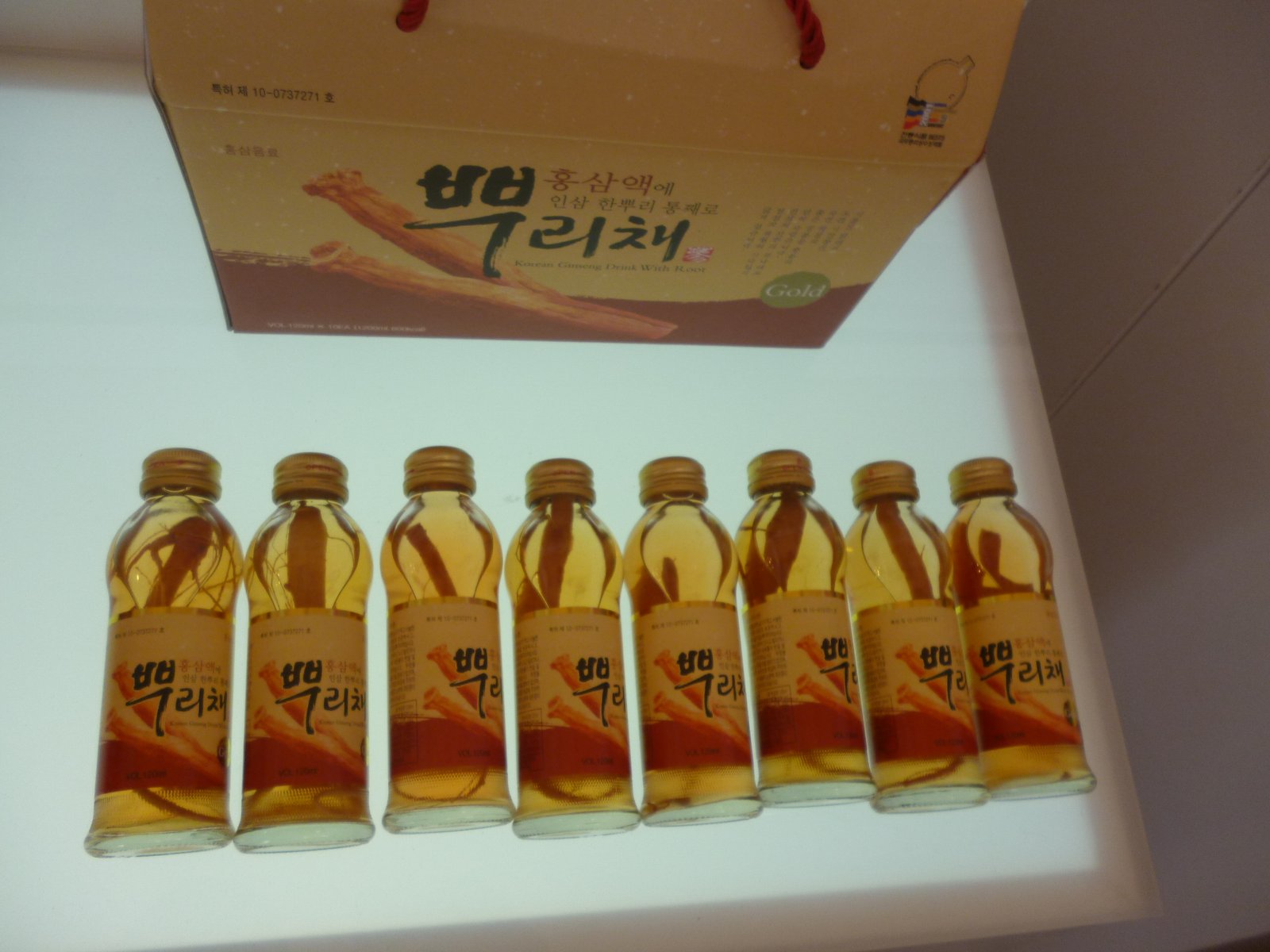
Fresh ginseng (Susam) contains high water content and intact volatile aromatics, delivering a crisp earthy flavor for culinary tonics.
2. Direct Comparison: Fresh vs White vs Red Ginseng
| Feature | Fresh Ginseng (Susam) | White Ginseng (Baeksam) | Red Ginseng (Hongsam) |
|---|---|---|---|
| Processing Method | None (washed raw root) | Peeled & sun-dried | Unpeeled, steamed & cured |
| Moisture Content | 70% – 80% | < 14% | < 15% |
| Active Ginsenoside Types | ~15–20 primary types | ~20–24 primary types | 32+ types (enriched in Rg3, Rh2, Rk1) |
| Therapeutic Strength | Mild / Culinary | Moderate Adaptogenic | Maximum Potency & Vasodilation |
| Shelf Life | 1–2 weeks (refrigerated) | 1–2 years | 5–10+ years (indefinite) |
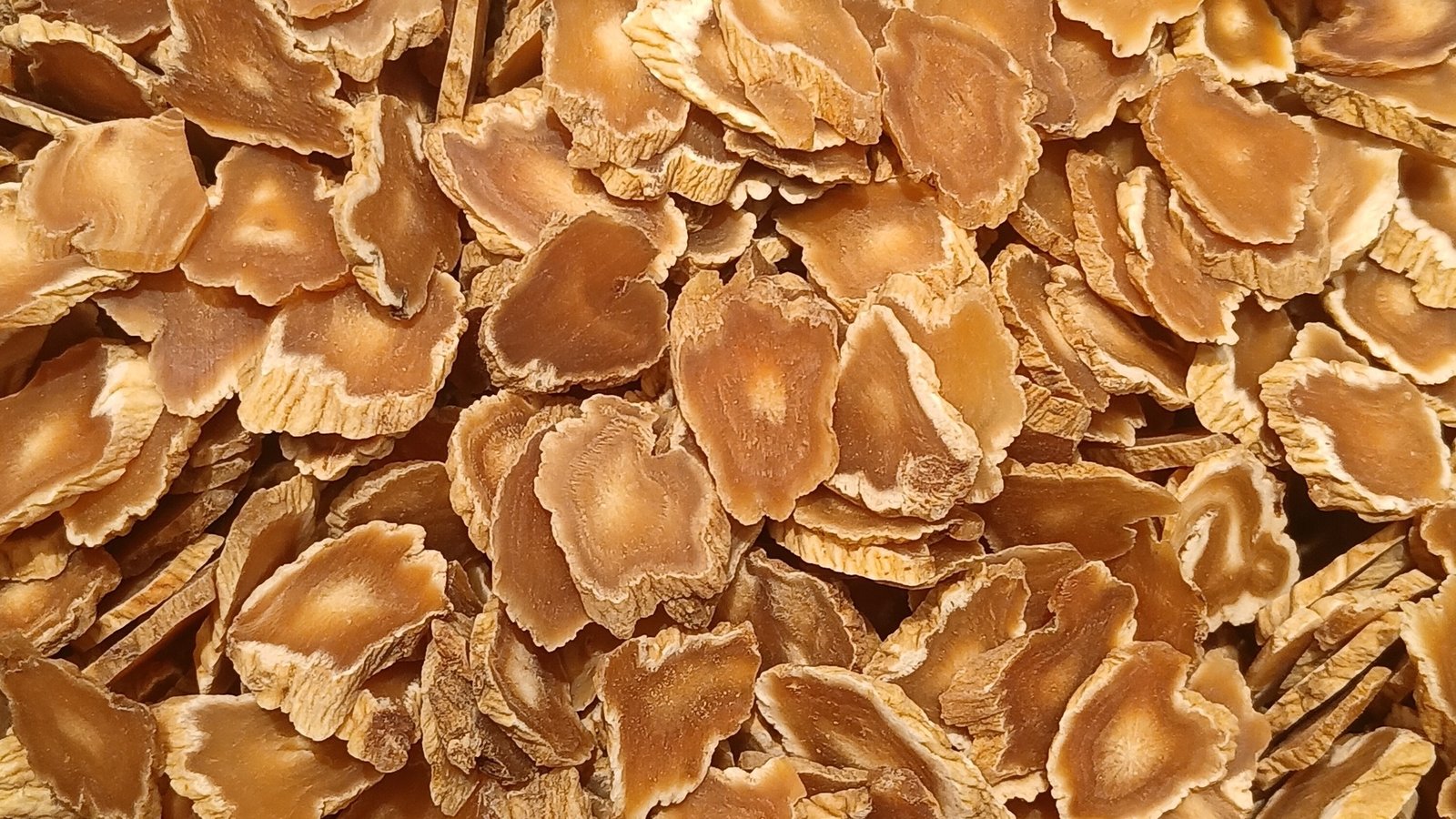
White ginseng (Baeksam) is sun-dried without high heat, preserving mild cooling properties suitable for individuals sensitive to thermal stimulation.
3. Why Cured Dried Red Ginseng is Pharmacologically Stronger
A. Secondary Ginsenoside Formation (Rg3, Rh2, Compound K)
Fresh ginseng contains predominantly large, glycosylated saponins like Rb1 and Rg1. While beneficial, these large molecules are poorly absorbed across the intestinal barrier unless metabolized by specific gut flora. The thermal curing process of Red Ginseng pre-cleaves these sugars, producing bioavailable ginsenoside Rg3, which directly stimulates endothelial nitric oxide synthase (eNOS) to relax arterial smooth muscle and boost pelvic blood flow (PMID: 12394711).
B. Enhanced Antioxidant Phenolics and Maltol
Steaming raw ginseng creates unique non-enzymatic browning compounds, including maltol and phenolic acids, which dramatically increase antioxidant free-radical scavenging capacity compared to unheated fresh roots (PMID: 25346698).
C. Concentration by Water Removal
Because fresh ginseng contains up to 80% water, consuming 1 gram of fresh root delivers only ~0.2 grams of actual botanical solids. In contrast, 1 gram of cured dry red ginseng or concentrated extract delivers 100% dry bioactive mass, providing a 4-to-5-fold higher density of ginsenosides per milligram consumed.
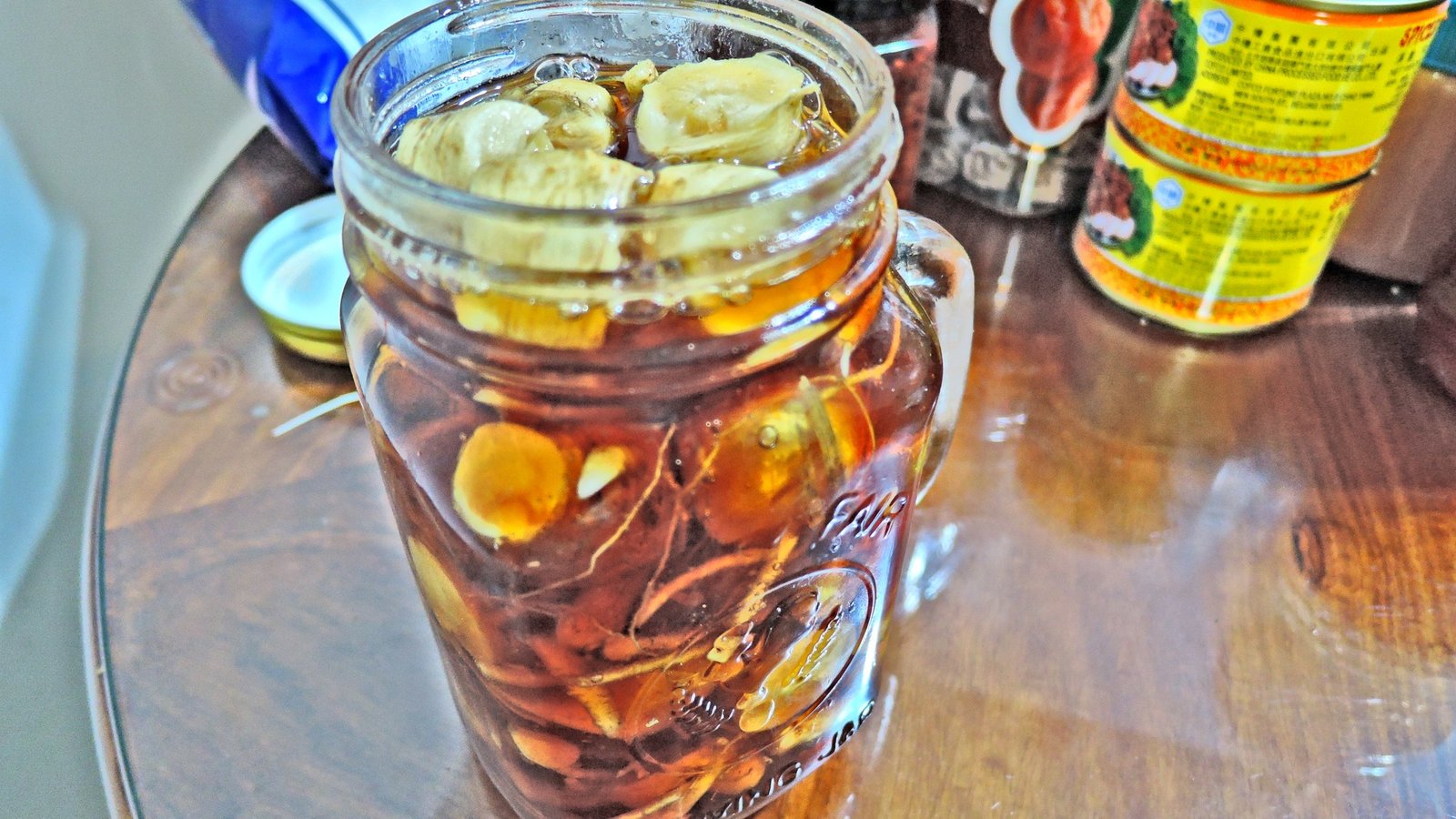
Infusing cured red ginseng root slices into pure raw honey creates a synergistic bioavailable elixir that combines antioxidant flavonoids with potent adaptogens.
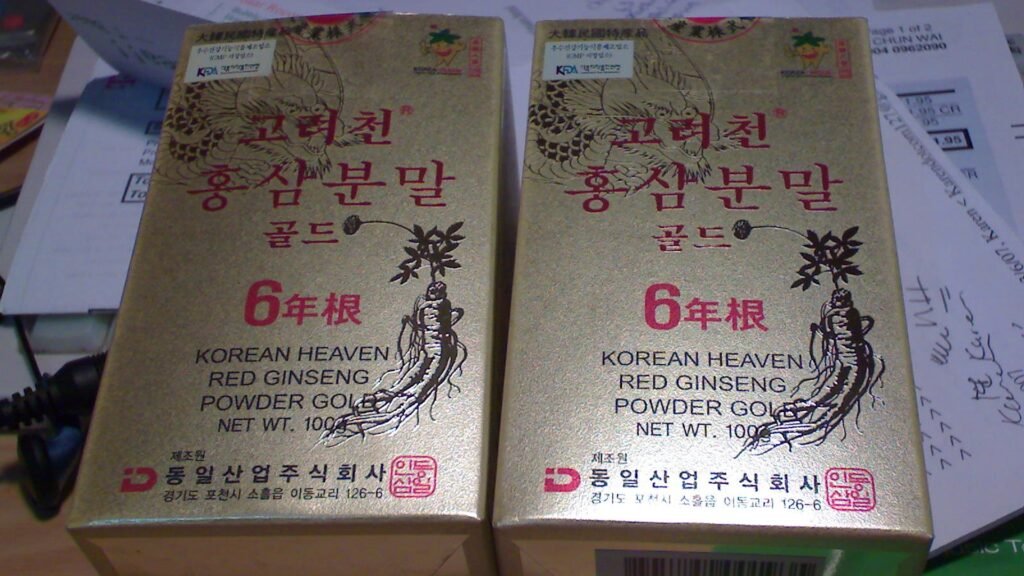
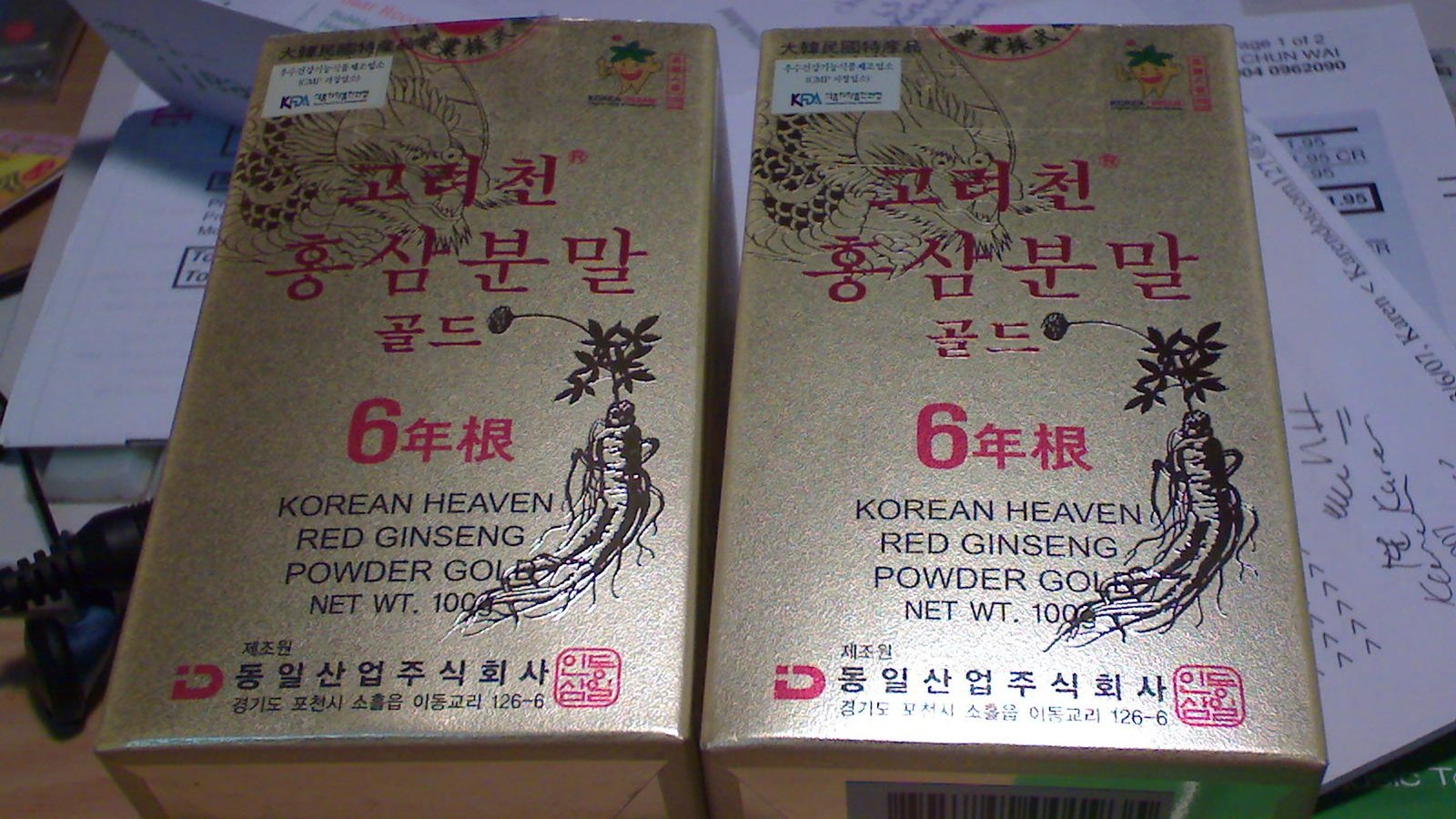
Experience Authentic 6-Year Cured Korean Red Ginseng
Unlock the proven potency of thermally cured 6-year mature Red Ginseng. Discover The Max Health’s laboratory-tested formulas for peak vitality and performance.
Frequently Asked Questions (FAQ)
1. Is fresh ginseng completely useless compared to red ginseng?
Not at all. Fresh ginseng is delicious, highly nutritious, and rich in primary ginsenosides and polysaccharides, making it excellent for traditional culinary broths, though red ginseng is pharmacologically more concentrated.
2. Can I make red ginseng at home from fresh roots?
While possible in theory, commercial red ginseng requires industrial temperature-controlled steaming (95–100°C) and controlled multi-stage solar drying to prevent molding and ensure proper ginsenoside transformation.
3. Why is red ginseng more expensive than fresh or white ginseng?
Red ginseng requires strictly 6-year mature roots, undergoes elaborate labor-intensive steaming and drying, and loses 70–80% of its initial harvest weight during curing.
4. Does fresh ginseng have side effects?
Fresh ginseng is generally well tolerated, but consuming unwashed raw roots can carry soil bacterial contamination risks. Always thoroughly wash and peel if consumed raw.
5. Which type is best for male intimacy and stamina?
Cured Korean Red Ginseng (Hongsam) is by far the superior choice due to high concentrations of vasodilating ginsenoside Rg3 and compound K.
6. Can I store fresh ginseng in the freezer?
Yes. Fresh ginseng roots can be vacuum-sealed and frozen for up to 6 months to preserve moisture without rotting.
7. What gives Red Ginseng its distinct reddish-brown color?
The Maillard reaction—a thermal reaction between amino acids and reducing sugars during high-heat steaming—creates the characteristic amber-red color and rich caramel aroma.
8. How does White Ginseng differ therapeutically from Red Ginseng?
White ginseng retains a cooler, milder energetic profile according to traditional herbal principles, making it ideal for individuals who experience excessive heat or mild palpitations from red ginseng.
9. Is black ginseng even stronger than red ginseng?
Black ginseng (steamed and dried 9 times) further enriches specific secondary ginsenosides Rg5 and Rk1, representing an ultra-concentrated therapeutic grade.
10. How should dried red ginseng slices be prepared for daily use?
Simmer 3 to 5 grams of slices in 500 ml of hot water for 30–45 minutes, or chew 1–2 soft honey-cured slices directly each morning.