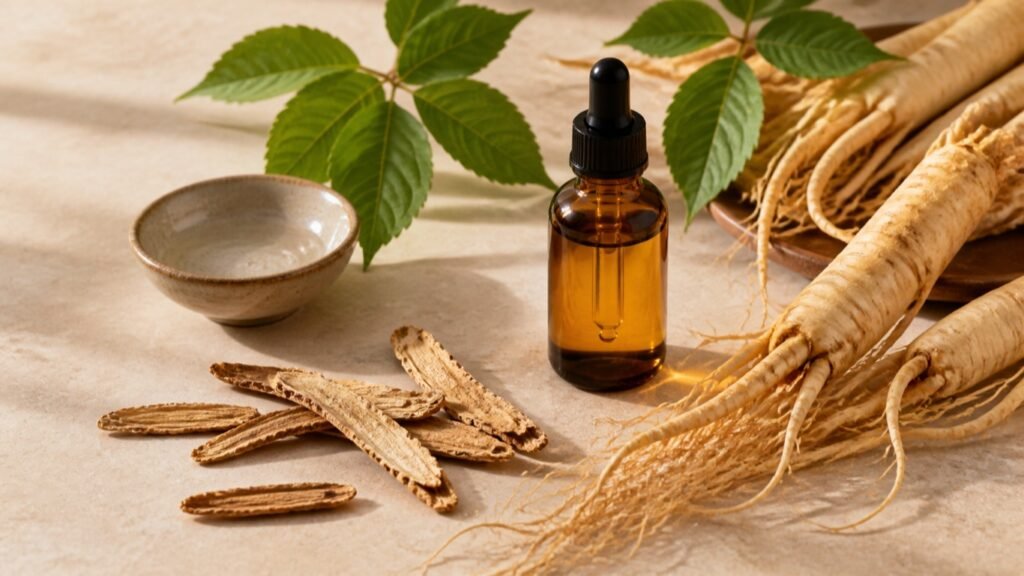
Navigating the modern herbal marketplace presents an overwhelming dilemma: should you choose concentrated liquid extract paste, convenient encapsulated pills, or traditional cured whole roots and slices? While all originate from authentic Panax ginseng, the mechanical processing, carrier matrix, and gastrointestinal pharmacokinetic profile fundamentally determine how quickly active ginsenosides enter your systemic circulation.

Comparing liquid extract paste, standardized capsules, and raw root slices reveals dramatic differences in absorption speed, potency concentration, and daily convenience.
1. The Pharmacokinetic Matrix: Why Ginseng Delivery Formats Matter
The therapeutic value of red ginseng relies on over 30 distinct triterpenoid saponins known as ginsenosides (including Rb1, Rg1, Rg3, and compound K). However, these molecules vary widely in molecular weight, lipophilicity, and membrane permeability. How your ginseng is prepared dictates its pharmacological fate:
- Liquid Concentrates & Pastes: Pre-solubilized in water-soluble matrix, enabling partial sublingual absorption and ultra-rapid duodenal transit.
- Capsules & Powdered Pills: Require gastric acid breakdown, proteolytic dissolution of the capsule shell, and gut microbial hydrolysis.
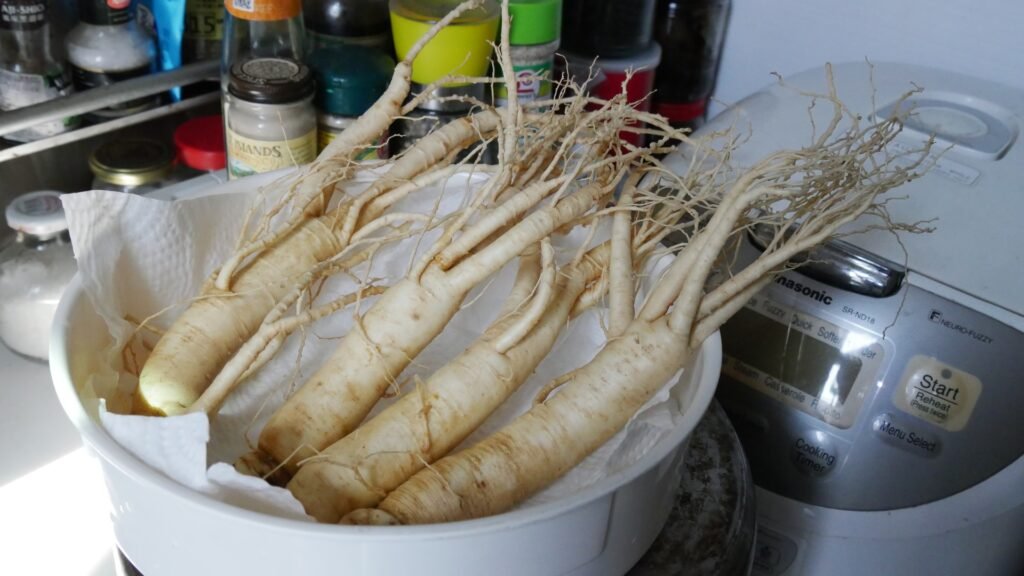
- Whole Dried Roots & Slices: Demands sustained water decoction (simmering) to extract water-soluble polysaccharides alongside lipophilic ginsenosides.
Clinical Pharmacology Note (PMID: 29629007)
Peer-reviewed clinical pharmacokinetic trials published in the Journal of Ginseng Research demonstrate that concentrated standardized liquid extracts produce peak plasma concentrations ($C_{max}$) of rare ginsenosides Rg3 and Rh2 up to 2.4 times faster than unstandardized raw powdered capsules.
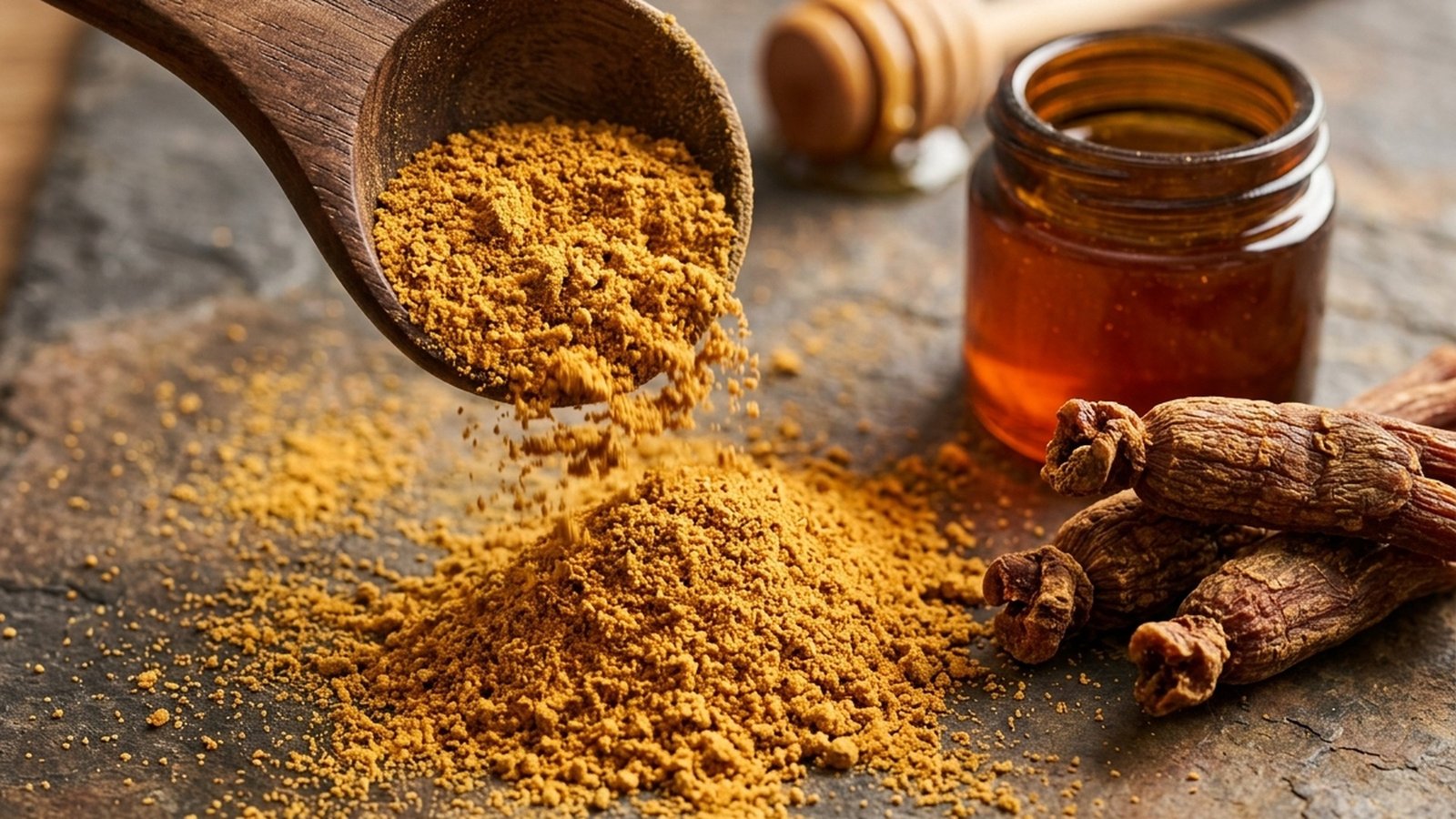
Standardized capsules eliminate the bitter taste of raw ginsenosides and provide precise, portable milligram dosing for daily professional routines.
2. In-Depth Comparison: Liquid vs Capsules vs Whole Roots
| Attribute | Liquid Extract Paste | Capsules & Tablets | Whole Roots & Slices |
|---|---|---|---|
| Active Concentration | High (70–80 mg/g ginsenosides) | Moderate to High (10–50 mg/cap) | Natural Full-Spectrum (15–25 mg/g) |
| Absorption Speed ($T_{max}$) | Fastest (20–45 minutes) | Moderate (45–75 minutes) | Slow to Moderate (30–60 min decoction) |
| Convenience & Portability | Requires spoon / dilution (stick packs portable) | Maximum portability (pocket / travel) | Requires boiling / simmering equipment |
| Flavor Profile | Intense, bitter, earthy, medicinal | Completely neutral / taste-free | Aromatic, herbal, woody, slightly sweet |
| Ideal Use Case | Peak physical performance & erectile vigor | Daily immune maintenance & busy lifestyle | Traditional culinary broths & family tonics |
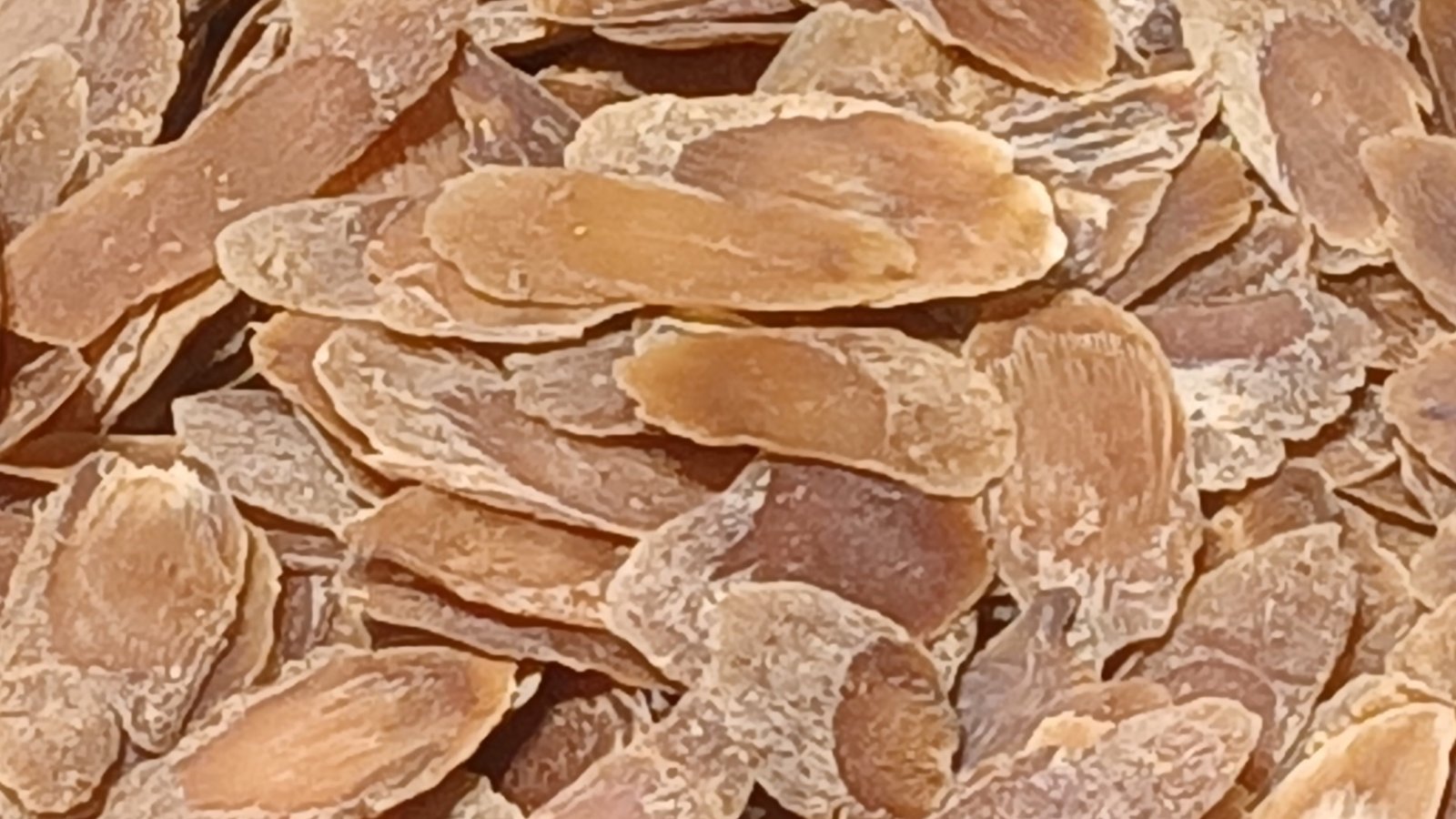
Cured whole root slices offer the purest botanical matrix, allowing users to simmer rich infusions with dates, honey, and herbal adaptogens.
3. Matching Ginseng Forms to Your Primary Health Goals
A. For Maximum Erectile Rigidity & Male Stamina: Concentrated Liquid Paste
Men seeking rapid vascular nitric oxide ($NO$) release and pelvic blood flow enhancement benefit most from 100% pure Korean Red Ginseng extract paste. Taking 1 to 2 grams dissolved in warm water 60 minutes prior to intimacy provides the high surge of Rg3 and compound K necessary to stimulate endothelial nitric oxide synthase (eNOS) (PMID: 12394711).
B. For Cognitive Focus & Workplace Energy: Standardized Extract Capsules
For busy executives, students, and active professionals who cannot prepare decoctions during working hours, standardized extract capsules (guaranteeing $\ge 15 ext{ mg}$ total Rg1+Rb1+Rg3 per serving) provide steady mental clarity and stress buffering without bitter aftertaste.
C. For Longevity, Immunity & Culinary Broths: Whole Roots & Slices
If your goal is systemic rejuvenation, gentle immune priming, and culinary integration (such as Korean Samgyetang chicken soup or medicinal honey infusions), simmering 6-year mature whole roots extracts non-saponin polysaccharides (ginsan) that support macrophage and natural killer (NK) cell defense.
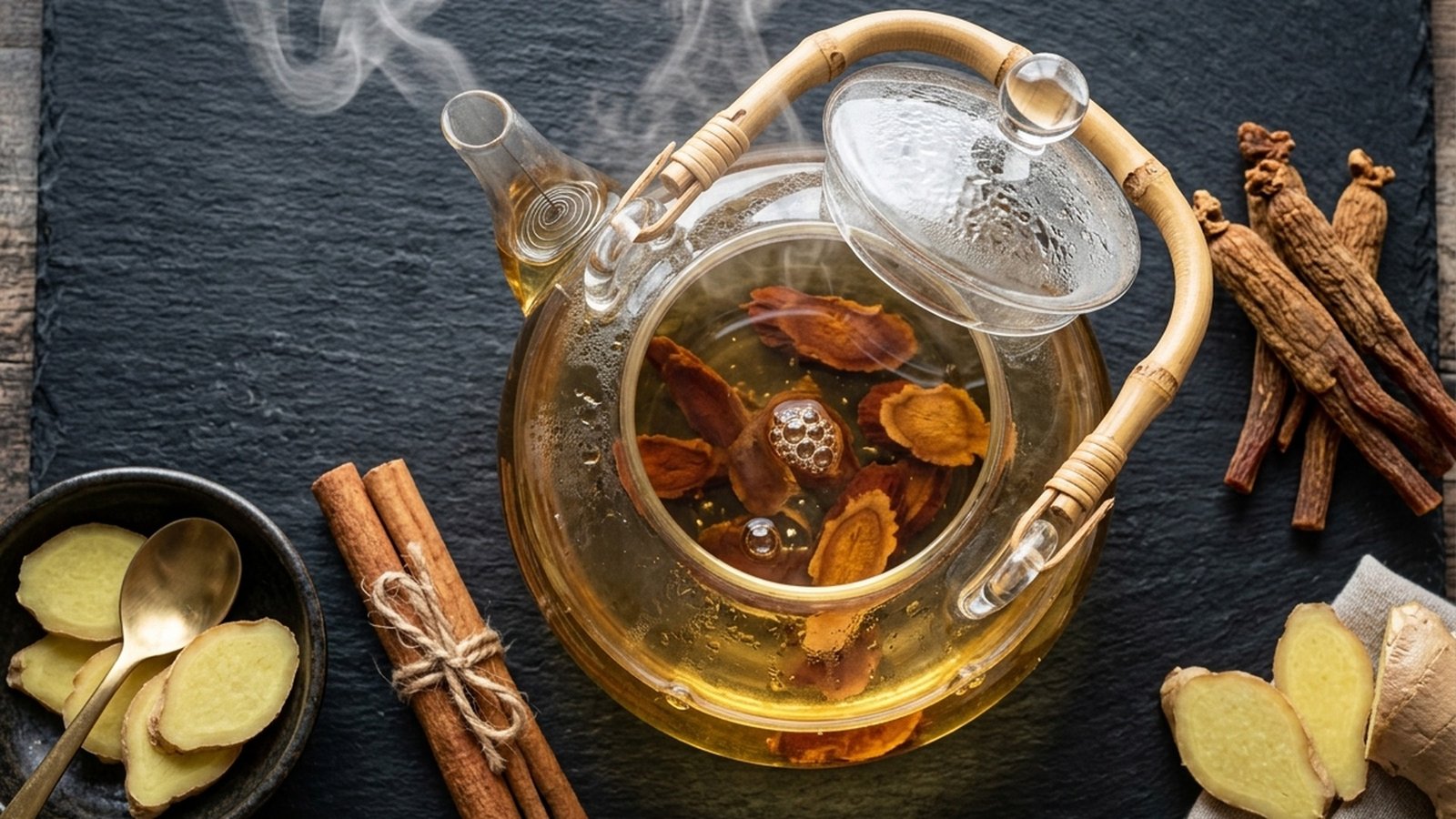
Simmering liquid infusions in ceramic or glass teapots preserves delicate volatile polyacetylenes and enhances bioavailable ginsenoside extraction.
Discover Premium 6-Year Korean Red Ginseng Extract
Looking for maximum therapeutic potency? Explore The Max Health’s laboratory-tested 6-year mature Korean Red Ginseng extract, standardized for peak active ginsenosides.
Frequently Asked Questions (FAQ)
1. Is liquid ginseng extract truly stronger than ginseng capsules?
Yes, in terms of concentration per serving and absorption speed. Pure extract pastes often contain 70–80 mg/g of ginsenosides and absorb within 20–30 minutes, whereas standard whole-powder capsules contain 15–25 mg/g and take 45–60 minutes to dissolve.
2. How can I verify the quality of ginseng capsules before buying?
Check the supplement facts label for standardized ginsenoside content (e.g., Rg1 + Rb1 + Rg3 sum), look for 6-year mature roots, and ensure third-party lab testing for heavy metals and pesticides.
3. Can I chew dried ginseng slices directly?
Yes. Chewing 1 to 2 sun-cured slices directly releases ginsenosides sublingually through the oral mucosa, providing a rapid mild energy boost.
4. Which format is most cost-effective for long-term daily use?
Standardized bulk capsules or large jars of concentrated extract paste offer the best cost-per-active-milligram of ginsenosides compared to single-serving liquid pouches.
5. Does boiling whole ginseng roots destroy active ginsenosides?
Ginsenosides are heat-stable triterpenes that withstand gentle boiling; in fact, steaming and boiling converts primary ginsenosides (Rb1, Rg1) into more bioactive secondary forms (Rg3, Rh2).
6. Can I combine liquid ginseng paste with coffee or tea?
You can mix it into warm water or mild herbal tea. Avoid combining with high-dose caffeine if you are prone to jitters or elevated heart rate.
7. Are ginseng gummies effective?
Most commercial ginseng gummies contain low concentrations of ginsenosides combined with added sugars and gelatin, making them significantly less therapeutic than pure extracts.
8. How should I store concentrated ginseng paste after opening?
Keep the jar tightly sealed in a cool, dry place away from direct sunlight, or store in the refrigerator to prevent moisture contamination.
9. What is the shelf life of whole dried ginseng roots?
Properly cured, vacuum-sealed whole red ginseng roots have an exceptional shelf life of 5 to 10 years when stored in a cool, dry pantry.
10. Can I take ginseng capsules and Tongkat Ali together?
Yes. Combining standardized Korean Red Ginseng with Tongkat Ali provides complementary synergy: ginseng supports endothelial nitric oxide blood flow, while Tongkat Ali enhances free testosterone availability.