
Table of Contents
Maca Herb: An Overview of the Andean Sacred Root
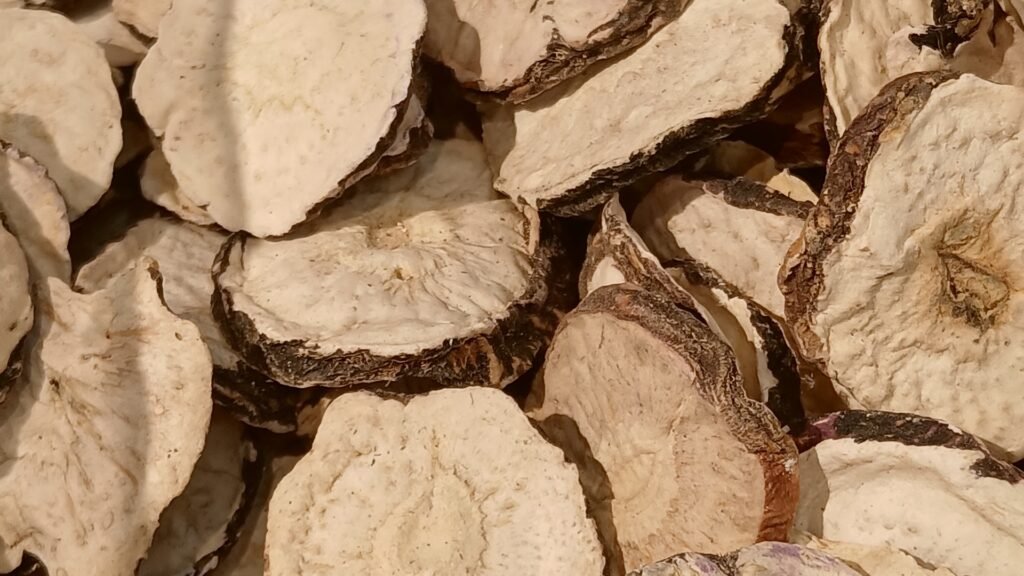
Known scientifically as Lepidium meyenii and revered as the “Ginseng of the Andes” or “Peruvian Gold”, Maca is a hardy, biennial herbaceous plant native exclusively to the extreme high-altitude plateaus of the central Peruvian Andes (specifically the Junín and Pasco regions, situated between 3,800 and 4,400 meters above sea level). Flourishing under harsh environmental conditions—intense solar radiation, sub-zero nighttime temperatures, and relentless gale winds—the Maca plant concentrates an extraordinary spectrum of protective secondary metabolites within its hypocotyl (storage taproot).
For over two millennia, indigenous Andean civilizations utilized Maca both as a staple nutrient-dense root vegetable and as a revered sacred medicine. Incan warriors famously consumed generous rations of dried Maca root prior to battle to amplify physical resilience, stamina, and combat drive. Today, modern nutritional science and clinical pharmacology recognize Maca as a world-class non-hormonal nutritional adaptogen, uniquely capable of revitalizing the human neuroendocrine network, harmonizing hormonal signals, and restoring reproductive vigor without suppressing endogenous hormone production.
Looking for Comprehensive Natural Energy & Adaptogenic Vitality?🌿
Discover how Authentic 6-Year Korean Red Ginseng works synergistically with Andean adaptogens to elevate cellular stamina, blood flow, and daily drive.
Explore Certified Korean Red GinsengActive Phytochemical Complex: How Macamides and Macaenes Work
Unlike ordinary root vegetables, Maca contains exclusive bio-active molecules that cannot be found in any other botanical on Earth. Phytochemical profiling reveals a multi-layered molecular architecture:
- Macamides (Non-Polar Fatty Acid Amides): Unique to Lepidium meyenii, macamides act as natural inhibitors of the enzyme Fatty Acid Amide Hydrolase (FAAH). By inhibiting FAAH, macamides elevate endogenous anandamide levels—often termed the body’s internal “bliss molecule”—modulating the endocannabinoid system to soothe anxiety, enhance sensory pleasure, and improve sexual drive.
- Macaenes (Unsaturated Polyunsaturated Fatty Acids): Work in tandem with macamides to support cellular lipid membrane fluidity, mitochondrial respiration, and systemic energy generation.
- Glucosinolates & Isothiocyanates: Aromatic mustard glycosides that provide potent antioxidant protection, modulate estrogen metabolic pathways toward protective 2-hydroxyestrone, and support cellular detoxification.
- Plant Sterols (Phytosterols): Including beta-sitosterol, campesterol, and stigmasterol, which facilitate cellular hormone receptor sensitivity and cardiovascular endothelial integrity.

Key Benefits of Maca for Physical Stamina and Mental Focus
One of the most immediate benefits reported by individuals supplementing with high-grade Maca is a smooth, sustained elevation in physical energy. Because Maca contains zero caffeine and does not force adrenal catecholamine release, it avoids the rapid heart rate, jitteriness, and precipitous crash associated with synthetic stimulants.
Instead, it acts through the Hypothalamic-Pituitary-Adrenal (HPA) axis, nourishing depleted adrenal reserves and facilitating balanced neurotransmitter release (dopamine and noradrenaline). Users experience steady alertness throughout demanding workdays, improved mental resilience when navigating complex cognitive tasks, and faster recovery from chronic psychological burnout.
Maca and Endocrine Balance: What Can We Realistically Expect?
There is widespread misconception on the internet regarding Maca’s hormonal mechanics. It is vital to state the scientific truth clearly: Maca does not contain testosterone, estrogen, or progesterone, nor does it artificially force serum hormone spikes like exogenous hormone replacement or anabolic substances.
Rather, Maca serves as an endocrine orchestrator. Its plant sterols and macamides support the master control glands—the hypothalamus and pituitary—enabling the body to autoregulate its own glandular synthesis. If estrogen levels are excessively high (estrogen dominance), Maca supports healthy clearance; if estrogen or testosterone levels are suppressed due to adrenal stress or age, Maca supports cellular receptor sensitivity and bioavailable equilibrium.
Clinical Effects on Fertility, Libido, and Reproductive Health
For Men
- Seminal Quality & Spermatogenesis: Multiple double-blind clinical trials confirm that daily Maca supplementation significantly increases seminal volume, total sperm count, and progressive motility without altering baseline serum testosterone or LH concentrations.
- Restoration of Intimate Desire: Independent of direct androgen levels, Maca acts upon central neuro-receptors to awaken libido, reduce intimacy-related performance hesitation, and enhance satisfaction.
For Women
- Perimenopausal & Menopausal Relief: Placebo-controlled studies show that gelatinized Maca significantly reduces the frequency and severity of hot flashes, night sweats, daytime mood swings, and vaginal dryness.
- Enhanced Sensory Responsiveness: By reducing cortisol and enhancing pelvic circulation, women report heightened arousal, greater natural lubrication, and enhanced emotional connection.
Athletic Performance, Muscular Recovery, and VO2 Endurance
Modern endurance athletes, cyclists, and strength trainers frequently incorporate Maca into their nutritional regimens. Clinical sports nutrition studies demonstrate that standardized Maca supplementation:
- Accelerates clearance of post-exercise blood lactate, delaying muscular burn during intense intervals.
- Spares muscle glycogen by optimizing free-fatty acid oxidation during prolonged aerobic exertion.
- Supplies rich plant-based amino acids (leucine, arginine, lysine) and bioavailable zinc, iron, and potassium to support rapid tissue repair.
Dermatological and Hair Vitality Benefits
Beyond internal vitality, Maca’s rich antioxidant profile directly benefits outer resilience. Its polyphenols and glucosinolates neutralize reactive oxygen species (ROS) induced by ultraviolet radiation and environmental pollution, supporting healthy collagen synthesis and skin elasticity. Furthermore, by nourishing microcapillary flow to hair follicles, it helps strengthen fragile roots and reduce stress-induced shedding.
Should You Use Maca Alone or Stack It with Other Synergistic Botanicals?
While Maca is fully effective as a standalone superfood, integrative herbalism often leverages synergistic stacks for targeted goals:
- Maca + Korean Red Ginseng: The ultimate daily stamina stack. Korean Red Ginseng drives nitric oxide synthesis and mental sharpness via ginsenosides, while Maca supports steady endurance and adrenal recovery.
- Maca + Ashwagandha: Ideal for severe stress and burnout. Ashwagandha lowers elevated cortisol in the evening, while Maca fuels morning stamina and neuroendocrine balance.
- Maca + Tongkat Ali: A premier masculine stack. Tongkat Ali optimizes free testosterone and androgen receptors, while Maca boosts semen volume, mood, and daily stamina.
Pharmaceutical Forms, Gelatinized vs. Raw, and Phenotypic Colors
Maca naturally grows in three primary phenotypic root colors, each possessing slightly distinct phytochemical ratios:
- Yellow Maca (Approx. 60% of Harvest): The universal daily adaptogen. Balanced, pleasant earthy flavor; ideal for general energy, mood stability, and daily wellness.
- Red Maca (Approx. 25% of Harvest): Possesses the highest concentration of bioactive polyphenols and glucosinolates. Clinically favored for female hormonal balance, bone density preservation, and male prostate health support.
- Black Maca (Approx. 15% of Harvest): The rarest phenotype. Highly celebrated for optimizing male sperm motility, physical strength, cognitive memory, and muscle endurance.
Gelatinized vs. Raw Maca: Raw Maca root contains complex starches that can cause digestive bloating or indigestion in sensitive stomachs. Gelatinized Maca undergoes low-heat gentle extrusion to remove heavy starches without degrading macamides, concentrating active nutrients and ensuring superior gastrointestinal absorption.
Optimal Clinical Dosage, Safety Guidelines, and Contraindications
Standard Dosage Guidelines:
- Gelatinized Maca Powder: 1,500 mg to 3,000 mg (1.5g to 3g, approximately 1 rounded teaspoon) taken daily with food. Athletes and bodybuilders may titrate up to 5,000 mg daily.
- Concentrated Extracts (4:1 to 10:1): 500 mg to 1,000 mg taken in vegetarian capsules once or twice daily.
- Optimal Timing: Morning with breakfast or early afternoon with lunch. Avoid late evening use to prevent interference with natural sleep cycles.
Safety Considerations & Precautions:
- Thyroid Health: Raw Maca contains trace goitrogens (glucosinolates). Individuals with severe hypothyroid or goiter conditions should always use gelatinized (cooked) Maca, as heat processing neutralizes goitrogenic enzymes.
- Hormone-Sensitive Conditions: While Maca does not act as direct estrogen, individuals undergoing active treatments for breast, ovarian, or uterine cancers should seek oncological clearance prior to supplementation.
- Pregnancy & Nursing: While safe as traditional culinary food in Peru, medicinal extracts should be avoided during pregnancy without obstetrician supervision.
How to Identify Authentic, Premium Peruvian Maca
Always inspect product origin. Authentic high-potency Maca originates strictly from high-altitude farms in Peru (Junín/Cerro de Pasco), where extreme climatic stress stimulates macamide formation. Ensure third-party lab testing for heavy metals (lead, arsenic) and microbial purity, certified organic verification, and transparent disclosure of processing (preferably certified gelatinized).
Smart Herbal Comparison: Maca Root vs. Korean Red Ginseng
| Comparative Parameter | Peruvian Maca (Lepidium meyenii) | Korean Red Ginseng (Panax ginseng) |
|---|---|---|
| Active Biochemical Markers | Macamides, Macaenes, Glucosinolates | Ginsenosides (Rg1, Rb1, Rg3, Rh2) |
| Primary Physiological Role | HPA-axis nourishment, endocannabinoid modulation, endocrine harmony & reproductive vitality | Cellular ATP production, central nervous stamina, nitric oxide vasodilation & immune defense |
| Stimulatory Profile | Smooth, non-stimulatory foundational stamina (zero caffeine / zero adrenergic rush) | Invigorating, thermogenic alertness and sharp mental clarity |
| Target Reproductive Impact | Semen volume, sperm count, libido, menopausal vasomotor balance | Erectile microvascular blood flow, arterial relaxation & physical drive |
| Best Daily Timing | Morning or lunchtime with meals | Morning or early afternoon |
| Combined Synergistic Value | Outstanding daily duo: Korean Red Ginseng elevates circulation and cellular drive, while Maca nourishes endocrine reserves and provides steady, clean endurance. | |
Practical 6-Week Structured Maca Protocol
- Weeks 1–2 (Acclimatization & Baseline Tone):
Begin with 1,500 mg (approx. 1/2 teaspoon) of gelatinized powder or 500 mg extract taken once daily with breakfast. Track 4 key markers: morning wakefulness, afternoon focus, digestive tolerance, and natural evening tiredness. - Weeks 3–4 (Optimization & Full Loading):
Increase dosage to 3,000 mg daily (divided: 1,500 mg at breakfast, 1,500 mg at lunch). Noticeable improvement in physical workout endurance, heightened libido, and stable daytime mood. Combine with adequate hydration (2.5–3 liters daily). - Weeks 5–6 (Stabilization & Cycling):
Maintain 3,000 mg daily. Evaluate energy consistency, reproductive vitality, and sleep quality. At the conclusion of week 6, institute a planned 7-day wash-out pause to maintain peak cellular sensitivity before starting your next cycle.
Wholesome Therapeutic Home Recipes and Preparations
- Andean Morning Maca Golden Latte:
Whisk 1 teaspoon of gelatinized Maca powder into 250 ml of warm unsweetened almond or oat milk. Add 1/2 teaspoon of pure Ceylon cinnamon, a pinch of nutmeg, and 1 teaspoon of raw organic honey. Sip slowly with breakfast for clean, grounded energy. - Pre-Workout Endurance Smoothie:
In a high-speed blender, combine 1 banana, 1 cup of frozen berries, 1 tablespoon of chia seeds, 1 scoop of clean plant protein, 200 ml of coconut water, and 1 full serving of Maca powder. Consume 45 to 60 minutes prior to training for continuous muscular power. - Daily Capsule Convenience:
Take 1 standardized Maca capsule with your morning meal and 1 capsule following lunch, accompanying each with a full glass of spring water.
Frequently Asked Questions (FAQ) About Maca Herb
What is Maca in brief?
Maca (Lepidium meyenii) is a nutrient-dense adaptogenic taproot native to the high Peruvian Andes, historically utilized for over 2,000 years to nourish energy, stamina, hormonal balance, and reproductive vitality.
How long does it take to see noticeable results from Maca?
Subtle improvements in energy and mental focus often appear within 7 to 14 days. However, profound reproductive benefits, sperm motility enhancements, and menopausal relief require consistent daily use over 6 to 8 weeks.
Does Maca cause weight gain?
No, Maca does not cause direct body fat accumulation. Because it supports physical energy and healthy metabolism, it may stimulate a healthy appetite in active individuals, which is governed by overall caloric balance.
Does Maca directly increase testosterone or estrogen?
No. Clinical trials confirm that Maca does not directly raise serum testosterone or estrogen levels. Instead, it acts as an adaptogen on the hypothalamus and pituitary glands, optimizing how the body regulates its own hormonal receptors.
Can Maca be combined with Korean Red Ginseng?
Yes, this is one of the most effective herbal combinations available. Korean Red Ginseng drives nitric oxide production, physical vigor, and blood flow, while Maca nourishes hormonal reserves and provides clean, non-jittery stamina.
Does Maca help improve sexual desire and libido?
Yes. Multiple clinical studies demonstrate significant enhancements in intimate desire and sexual satisfaction in both men and women, operating via endocannabinoid pathways (macamides) and reduced adrenal stress.
What is the ideal daily dosage of Maca?
The standard recommended dosage is 1,500 mg to 3,000 mg of gelatinized Maca powder daily, or 500 mg to 1,000 mg of a concentrated extract, divided between breakfast and lunch.
Is Maca suitable for athletes and fitness enthusiasts?
Extremely suitable. It supports glycogen conservation, aids post-exercise lactate clearance, and provides bioavailable amino acids and trace minerals for sustained muscular endurance.
Are there any side effects associated with Maca?
Maca has an exceptional safety profile. Mild stomach discomfort or gas can occur if raw (non-gelatinized) powder is consumed; switching to gelatinized Maca or taking it with food eliminates this issue entirely.
What is the best time of day to take Maca?
The morning with breakfast is optimal. A second dose may be taken with lunch. Avoid evening consumption if you are sensitive to natural daytime energizers so as not to disturb sleep.
Official Scientific Sources and Peer-Reviewed Citations
Our educational monographs adhere to the highest standards of scientific evidence and clinical rigor:
- Andrologia: “Effect of Lepidium meyenii (MACA) on sexual desire and its absent relationship with serum testosterone levels in adult healthy men.” — PubMed PMID: 12472620.
- BMC Complementary Medicine and Therapies: “Subjective effects of Lepidium meyenii (Maca) extract on well-being and sexual performances in patients with mild erectile dysfunction: a randomised, double-blind clinical trial.” — PubMed PMID: 19260845.
- Maturitas: “Beneficial effects of Lepidium meyenii (Maca) on psychological symptoms and measures of sexual dysfunction in postmenopausal women are not related to estrogen or androgen content.” — PubMed PMID: 18784039.
- Food & Function: “Macamide and macamides profiling in Lepidium meyenii: neuroprotective mechanisms and FAAH inhibition pathways.” — PubMed PMID: 31825424.
- Harvard Health Publishing: “Can Maca Boost Energy and Fertility? Evaluating the Adaptogenic Science Behind Andean Roots.” — Harvard Medical School Clinical Review.