Table of Contents
Korean Ginseng vs. Chinese Ginseng: Historical Origins and Context
Both Korean Ginseng and Chinese Ginseng trace their botanical ancestry to the identical scientific species: Panax ginseng C.A. Meyer, an ancient perennial herbaceous plant of the family Araliaceae. The word Panax derives from the Greek root panakeia, meaning “all-healing” or panacea. For millennia across East Asia, wild ginseng roots harvested from mountainous primeval forests were valued more dearly than gold, celebrated as sovereign elixirs capable of restoring vitality to the exhausted, strengthening military rulers, and prolonging longevity.
However, despite sharing the same core botanical binomial classification, modern global commerce and pharmacological testing reveal substantial differences between Korean and Chinese ginseng products. Differences in geographic soil terroir, cultivation duration (4 years vs. strict 6 years), government regulatory oversight, and especially the traditional Korean steaming and maturation technology that transforms fresh ginseng into Red Ginseng (Hongsam) create distinct phytochemical profiles and physiological outcomes. This comprehensive guide examines 15 vital criteria to help you make an informed, health-optimized decision.
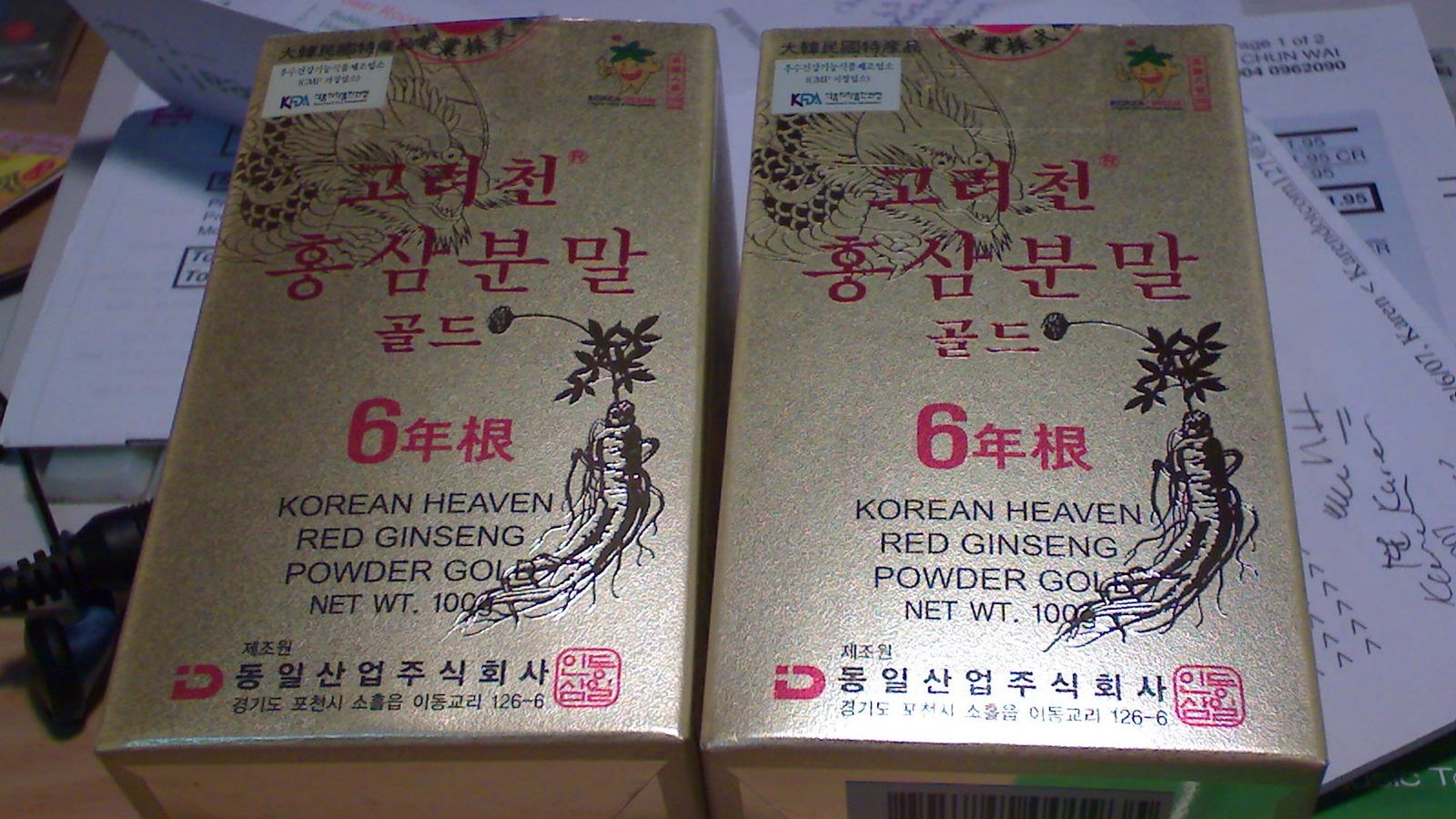
Looking for Lab-Certified 6-Year Korean Red Ginseng?🌿
Experience the gold standard in stamina, physical drive, and immune vitality with certified Geumsan Korean Red Ginseng extracts.
Explore Certified Korean Red GinsengThe 15 Critical Comparison Criteria: Korean vs. Chinese Ginseng
1. Geographic Origin, Climate, and Soil Terroir
Korean Ginseng is cultivated across specialized agricultural microclimates in the Korean Peninsula (notably Geumsan, Punggi, and Ganghwa Island), positioned between 36° and 38° north latitude. Here, well-drained weathered granite soils, four distinct seasonal cycles, and abundant natural rainfall create an optimal ecological window. In contrast, Chinese Ginseng is predominantly cultivated in the northeastern provinces of Jilin, Liaoning, and Heilongjiang, particularly surrounding the Changbai Mountain volcanic belt. While Changbai volcanic soil is rich in organic minerals, climatic variations across different Chinese growing zones are wider, resulting in greater variation in mineral density.
2. Botanical Lineage and Seed Selection
Korea enforces stringent government-backed seed selection programs overseen by agricultural research institutes to maintain genetic purity and optimize ginsenoside yields. China cultivates several regional cultivars (including Jilin Shizhu, Changbai wild-simulated, and Gaoli varieties bred from Korean cultivars), producing a diverse genetic spectrum ranging from standard commercial field crops to rare, highly prized wild mountain roots.
3. Root Age at Harvest (6-Year Standardization)
In the Korean premium market, 6 years is the non-negotiable golden benchmark. Ginseng roots harvested at 6 years reach peak anatomical maturation and maximum ginsenoside diversity (after year 6, roots become woody and prone to root rot). In China, commercial ginseng is commonly harvested earlier at 3 to 5 years for everyday culinary uses, teas, and bulk extracts, while specialty “Lin-Xia-Shan-Shen” (wild-simulated roots) are grown for 10 to 15 years at very high market valuations.

4. Processing Technology (Red vs. White Ginseng)
This is the most critical differentiator:
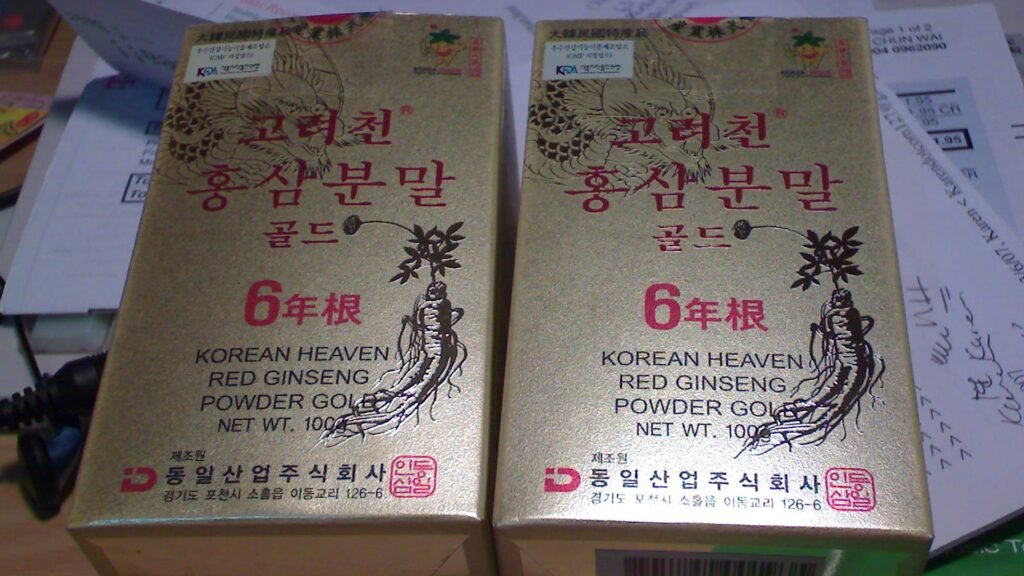
- Korean Red Ginseng (Hongsam): Fresh unpeeled 6-year roots undergo repeated precise steam treatment (at 98°C–100°C) followed by natural sun-drying. This specialized Maillard thermal process caramelizes natural sugars, turns the root a deep amber-red, and triggers enzymatic hydrolysis that generates rare ginsenosides (such as Rg3, Rg5, Rk1, and Rh2) that do not exist in fresh raw ginseng.
- Chinese Ginseng (Traditionally White Ginseng / Bai Shen): Typically peeled and sun-dried or gently dehydrated without steaming, preserving lighter primary ginsenosides (Rb1, Rg1, Re) with a milder, less thermogenic profile. Low-quality commercial grades in unregulated markets have historically used sulfur bleaching, making certified sourcing critical.
5. Flavor Profile, Bitterness, and Aroma
Korean Red Ginseng presents a bold, deeply complex, earthy aroma with a pronounced pleasant bitterness and a lingering caramelized, sweet aftertaste. Chinese White Ginseng is distinctly lighter, more vegetal, slightly astringent, and easier to incorporate into everyday culinary soups without overpowering other ingredients.
6. Bioactive Ginsenoside Consistency and Lab Verification
Over 40 distinct ginsenosides have been isolated from Panax ginseng. Korean Red Ginseng is legally mandated to display exact standardized ginsenoside totals (specifically the sum of Rg1 + Rb1 + Rg3, typically ranging from 4 mg/g to over 15 mg/g in pharmaceutical-grade extracts). Chinese commercial ginseng products often state overall percentage extracts (e.g., 80% total ginsenosides via UV spectrophotometry) rather than specific HPLC-verified fractions.
7. Daily Usage Formats and Consumer Presentation
Korea leads the world in sophisticated delivery formats: ultra-concentrated black pastes (consumed with tiny gold measuring spoons), ready-to-drink pocket liquid pouches, concentrated tonics, and red ginseng honey slices. Chinese ginseng is frequently purchased in traditional herbal apothecaries as whole dried root bundles, loose dried slices for culinary chicken soups (Samgyetang style), or bulk powder capsules.
8. Matching with Specific Health and Performance Goals
Choose according to your biological objective:
- Choose Korean Red Ginseng if your primary goals are enhanced erectile rigidity, pelvic nitric oxide stimulation, acute physical strength, deep immune resilience, and recovery from severe physical fatigue.
- Choose Chinese White Ginseng if you desire a gentler daily adaptogen for chronic mild fatigue, digestive tonification (nourishing Spleen Qi in TCM), respiratory support, or culinary herbal cooking.
9. Everyday Energy, Cognitive Drive, and Vitality
Korean Red Ginseng delivers an invigorating, warming energy boost that sharpens mental alertness, working memory, and sustained focus under intense cognitive strain. Chinese White Ginseng provides a cooler, more calming baseline tonic effect, ideal for individuals prone to feeling overheated from strong stimulants.
10. Price-to-Value Matrix and Market Economics
Because Korean Red Ginseng requires 6 full years of agricultural investment followed by multi-stage thermal processing and strict quality certifications, it commands a premium market price ($80 to $250+ per extract jar). Chinese ginseng offers broad commercial affordability ($20 to $60 for bulk roots and standard supplements), making it economical for frequent culinary preparation.
11. Authentication, Traceability, and Anti-Counterfeiting
Top Korean brands utilize sophisticated anti-counterfeiting measures: holographic seals, government-backed origin certificates (Ministry of Agriculture, Food and Rural Affairs), and direct QR-code batch traceability. When purchasing Chinese ginseng, ensure third-party certifications (GMP, ISO, or organic) to confirm absence of residual agricultural pesticides or heavy metals.
12. Chronobiology: Optimal Timing for Ingestion
Because both varieties stimulate dopamine and adrenal pathways, morning ingestion (alongside breakfast) is optimal. A secondary dose can be consumed early afternoon (1:00 PM to 2:00 PM) to eliminate the post-lunch energy dip. Avoid taking either variety past 5:00 PM to prevent delayed sleep onset latency.
13. Synergistic Herbal Blending (Ginseng with Ginger & Tonics)
In traditional formulations, both Korean and Chinese ginseng are combined with fresh ginger root and dried red jujube dates. Ginger warms the stomach lining and enhances gastrointestinal absorption of ginsenosides, while jujubes harmonize the strong bitter notes and supply clean carbohydrate fuel.
14. Systemic Impact on Internal Organs (Liver, Kidneys, Heart)
Clinical studies demonstrate multi-organ protective effects:
- Cardiovascular Health: Stimulates endothelial nitric oxide synthase (eNOS), gently dilating peripheral arteries and promoting healthy blood pressure elasticity.
- Hepatic Support: Accelerates alcohol metabolism, reduces elevated liver transaminases (ALT/AST), and mitigates hepatic oxidative stress.
- Renal & Endocrine Resilience: Protects tubular cells against free-radical damage and optimizes hormone receptor responsiveness.
15. Smart Purchasing Guidelines and Certified Vendors
Always examine the product label for: exact root age (look for “6-Year-Old Roots”), specific standardized ginsenoside concentration (Rg1+Rb1+Rg3 mg/g), country of origin, and transparent ingredients without excessive added corn syrup or artificial flavorings.
Comparing with American Ginseng (Panax quinquefolius)
When discussing Asian ginseng (Korean and Chinese), it is vital to contrast them with American Ginseng (Panax quinquefolius). While Korean Red Ginseng is classified in Traditional Chinese Medicine as strongly “warming and stimulating” (Yang-nourishing), American Ginseng is considered “cooling and calming” (Yin-nourishing), possessing higher ratios of Rb1 over Rg1. American ginseng is ideal for individuals who experience heat sensations, night sweats, or irritability from Asian ginseng.
Safety Considerations, Clinical Dosages, and Contraindications
Clinical Dosage Guidelines: Standardized pure Korean Red Ginseng extract: 1 to 3 grams daily dissolved in warm water. Dried root powder or Chinese White Ginseng slices: 2 to 5 grams daily boiled as a decoction.
Safety Precautions: Individuals with uncontrolled stage-2 hypertension, active cardiac arrhythmias, or those on prescription blood thinners (warfarin) or diabetic medications should consult their physician before starting supplementation, as ginseng naturally enhances insulin sensitivity and microvascular blood flow.
Frequently Asked Questions (FAQ) About Korean vs. Chinese Ginseng
Which is stronger: Korean Ginseng or Chinese Ginseng?
Korean Red Ginseng is generally recognized as more potent in terms of active ginsenoside diversity (especially Rg3 and Rh2) due to the 6-year cultivation cycle and multi-stage thermal steaming process. However, individual responsiveness varies.
How can I detect the difference in daily real-life use?
Take a consistent moderate dose of each separately for 10 to 14 days and log your morning wakefulness, midday focus, physical stamina, and sleep quality. Korean Red Ginseng produces a distinct warming physical drive, while Chinese White Ginseng offers a milder tonic effect.
Are there standardized quality standards to guarantee my choice?
Yes. Look for certified 6-year root labeling, verified origin certificates (such as Korean government GMP/KGC marks), and published HPLC ginsenoside assays (Rg1 + Rb1 + Rg3 values).
Does choosing Korean or Chinese ginseng affect sleep?
If taken late in the afternoon or evening, both can cause delayed sleep onset due to central nervous stimulation. Always administer your primary dose with breakfast or early lunch.
What is the most prominent flavor difference between them?
Korean Red Ginseng has a much richer, darker, caramelized bitter-sweet profile due to thermal processing. Chinese White Ginseng has a lighter, slightly earthy, more astringent taste.
Does the choice affect athletic workout performance?
Yes. Korean Red Ginseng has extensive clinical validation for improving VO2 max, delaying muscular fatigue, and accelerating post-exercise lactate clearance.
Is there any additional benefit to combining Ginseng with Ginger?
Yes. Fresh ginger warms the digestive tract, enhances the bioavailability and absorption of ginsenosides, and prevents mild digestive discomfort.
Which is better for skin complexion and hair health?
Both support general microvascular circulation. Korean Red Ginseng’s rare ginsenosides provide potent dermal antioxidant protection, promoting natural collagen synthesis and follicle vitality.
What are the systemic effects on vital organs (liver, kidneys, heart)?
Both varieties support endothelial nitric oxide release for heart health, reduce hepatic transaminases for liver recovery, and protect renal tubules against oxidative stress.
Where can I purchase authentic, lab-certified Korean Red Ginseng?
Choose specialized vendors with third-party verification, direct Korean origin provenance, and transparent customer reviews, such as The Max Health certified botanical shop.
Official Scientific Sources and Peer-Reviewed Citations
Our comparative analysis is grounded in international peer-reviewed pharmacological and clinical botanical literature:
- Journal of Ginseng Research: “Comparative Study of the Chemical Constituents and Bioactive Ginsenosides in Korean Red Ginseng and Chinese Ginseng.” — PubMed PMID: 28736502.
- Phytomedicine: “Thermal transformation of ginsenosides during red ginseng preparation and their selective vascular actions.” — PubMed PMID: 19541467.
- Frontiers in Pharmacology: “Panax ginseng C.A. Meyer: An extensive overview of its chemical taxonomy, cardiovascular safety, and adaptogenic effects.” — PubMed PMID: 30349479.
- British Journal of Clinical Pharmacology: “Red ginseng for treating erectile dysfunction and microvascular fatigue: a systematic review and meta-analysis.” — PubMed PMID: 18840227.
- Harvard Health Publishing: “Ginseng and Vitality: Distinguishing Asian, American, and Siberian Varieties for Optimal Health.” — Harvard Medical School Clinical Report.