Table of Contents
Ginseng vs. Tongkat Ali: Differences, Botanical Origins, and Active Biochemical Compounds
When men search for elite natural solutions to combat physical fatigue, optimize hormonal balance, enhance athletic performance, and revitalize sexual vigor, two botanical legends dominate the conversation: Korean Red Ginseng (Panax ginseng) and Malaysian Tongkat Ali (Eurycoma longifolia). While both roots enjoy centuries of revered traditional heritage and extensive modern clinical validation, they possess distinctly unique phytochemical profiles and operate through fundamentally different physiological mechanisms.
Understanding their biochemical foundations is the first step toward tailoring an optimal protocol:
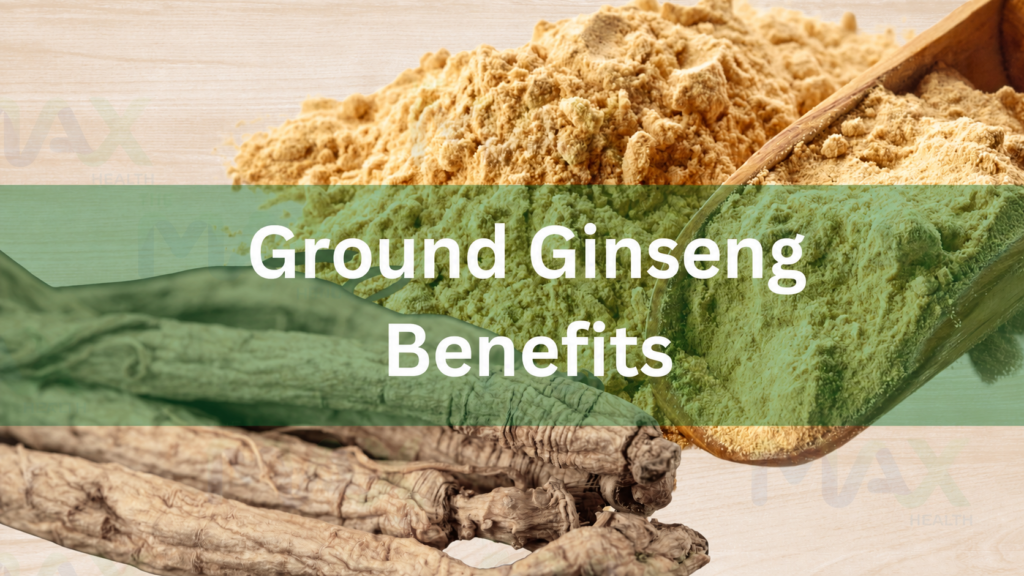
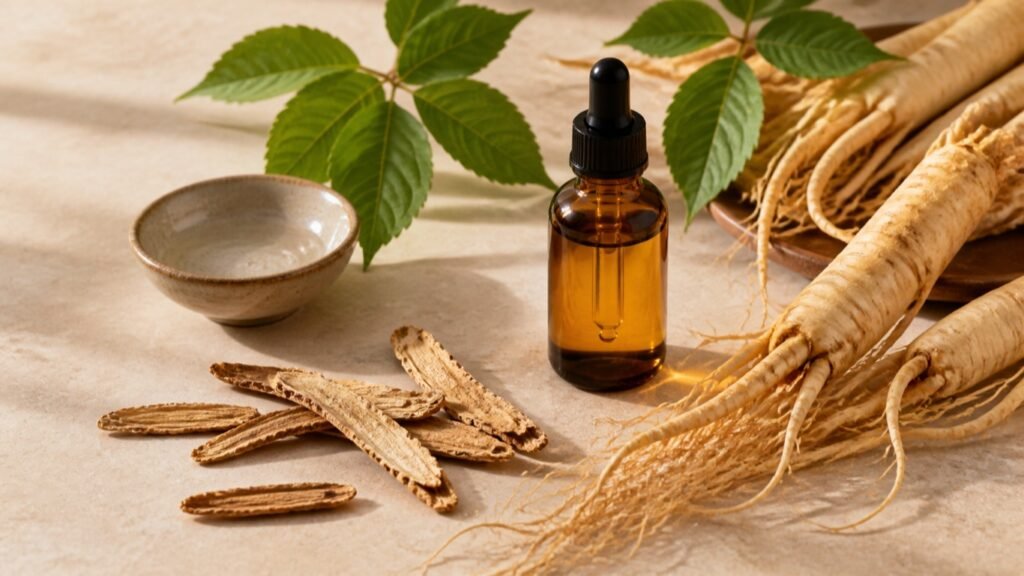
- Korean Red Ginseng (The Systemic Adaptogen): Native to the temperate mountain forests of Korea and Northeast Asia. Its primary bioactive constituents are ginsenosides (triterpene saponins such as Rg1, Rb1, Rg3, and Rh2) and acidic polysaccharides (Ginsan). Ginseng acts primarily upon the cardiovascular endothelium (boosting nitric oxide synthesis), the central nervous system (modulating neurotransmitters), and the immune system (activating NK cells and macrophages).
- Malaysian Tongkat Ali (The Androgenic Powerhouse): Native to the deep tropical rainforests of Malaysia and Southeast Asia. Its therapeutic power is driven by specialized quassinoids (predominantly eurycomanone, 13alpha-epoxyeurycomanone, and eurycolactones) alongside bioactive eurypeptides. Tongkat Ali acts directly upon the endocrine system, stimulating testicular Leydig cells to upregulate testosterone biosynthesis and unbinding testosterone from Sex Hormone-Binding Globulin (SHBG).
Looking for Targeted Vitality & Hormonal Power?🌿
Discover our authentic 6-Year Korean Red Ginseng for cellular stamina and pure Malaysian Tongkat Ali standardized for maximum bioactive eurycomanone.
Why Are People Often Confused Between Ginseng and Tongkat Ali?
In commercial herbal marketing, Tongkat Ali is frequently nicknamed “Malaysian Ginseng” due to its shared reputation for boosting vitality, male sexual endurance, and physical stamina. However, botanically, they belong to entirely separate plant families:
- Panax Ginseng belongs to the Araliaceae family (ivy family), growing as a perennial shade-loving herb in temperate zones.
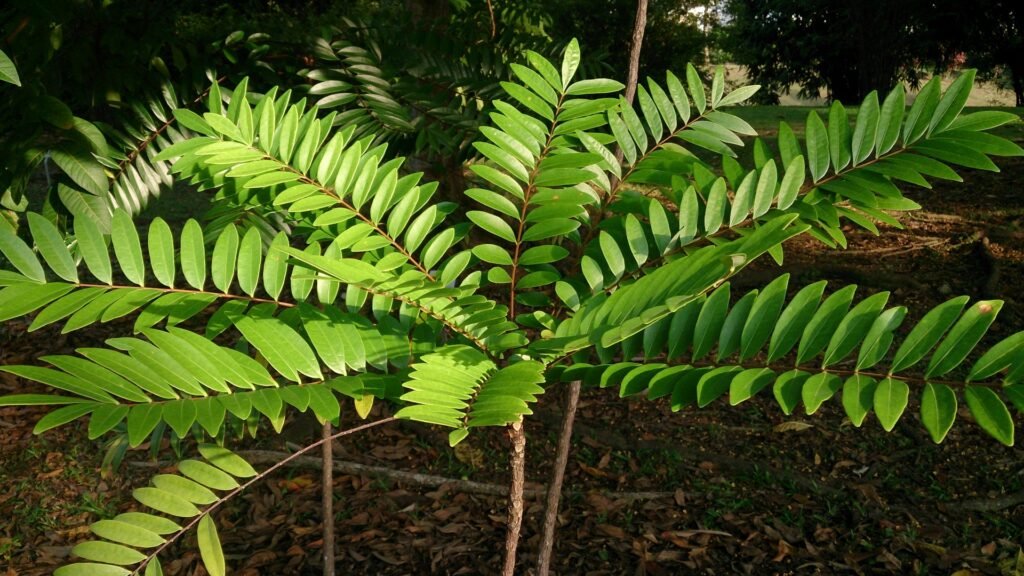
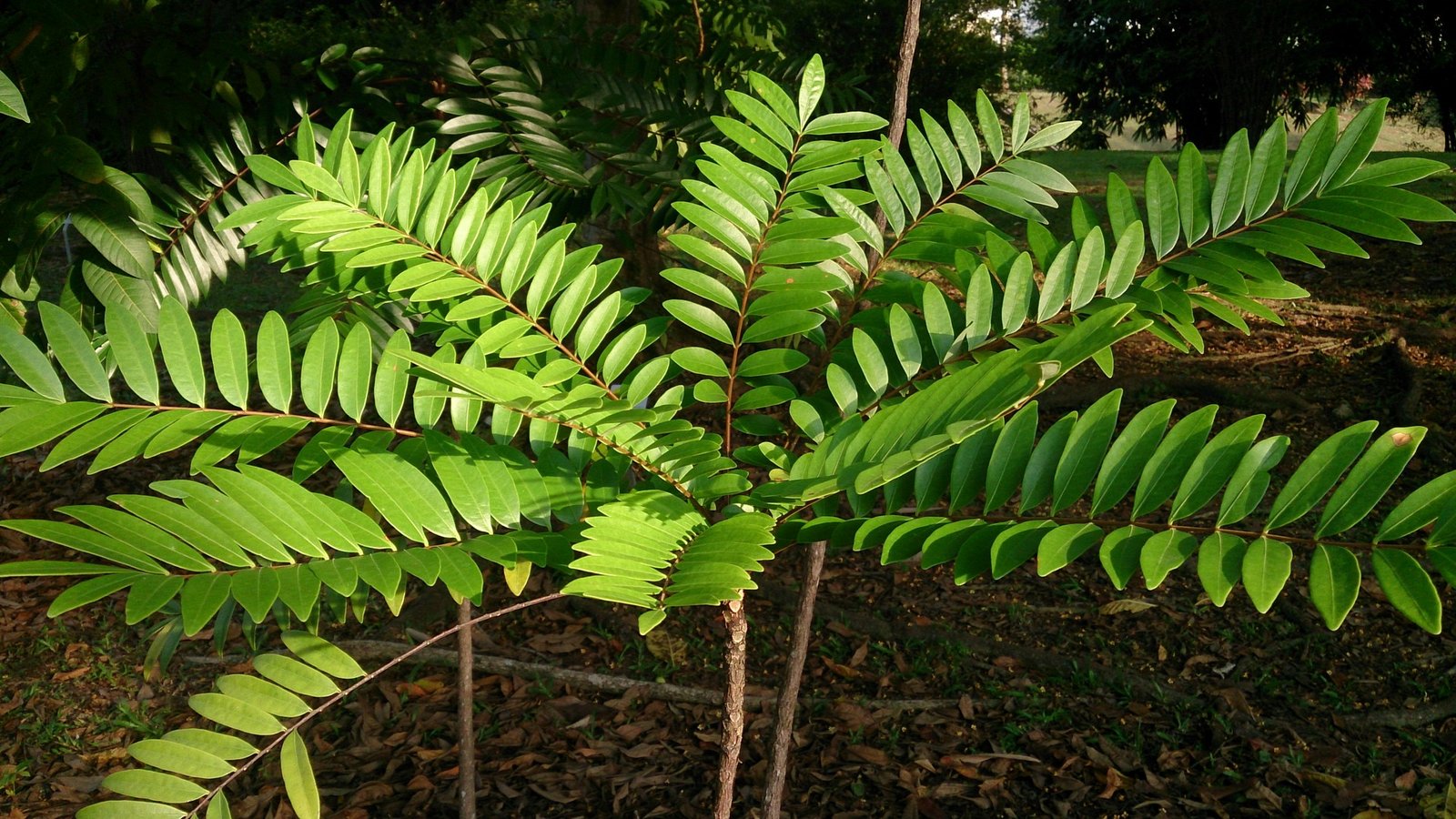
- Tongkat Ali (Eurycoma longifolia) belongs to the Simaroubaceae family (quassia family), growing as a slender, medium-sized understory tree in hot, humid equatorial rainforests.
17 Practical Differences Between Ginseng and Tongkat Ali: Head-to-Head Comparison Table
| Comparison Feature | Korean Red Ginseng (Panax ginseng) | Malaysian Tongkat Ali (Eurycoma longifolia) |
|---|---|---|
| 1. Botanical Family | Araliaceae (Perennial herb) | Simaroubaceae (Rainforest tree) |
| 2. Primary Bioactive Marker | Ginsenosides (Rg1, Rb1, Rg3, Rh2) | Eurycomanone, Eurypeptides, Quassinoids |
| 3. Geographical Origin | Korea, Manchuria, Northeast Asia | Malaysia, Indonesia, Southeast Asia |
| 4. Primary Target System | Circulatory, Nervous & Immune Systems | Endocrine & Reproductive Systems |
| 5. Impact on Testosterone | Mild/indirect via stress & cortisol regulation | Direct stimulation of Leydig cells & SHBG release |
| 6. Mechanism for Erections | Endothelial eNOS nitric oxide vasodilation | Free testosterone elevation & libido enhancement |
| 7. Energy Profile | Smooth, cognitive alertness, anti-fatigue | Physical aggression, muscular power, drive |
| 8. Mental Health & Anxiety | Calming, neuroprotective, increases Alpha waves | Mood stabilizer, reduces tension & anger |
| 9. Immune System Support | Superior: Stimulates NK cells & macrophages | Secondary/general antioxidant defense |
| 10. Muscle Mass & Strength | Enhances endurance & glycogen recovery | Directly supports protein synthesis & hypertrophy |
| 11. Blood Sugar Regulation | High: Enhances insulin receptor sensitivity | Mild glycemic support |
| 12. Suitability for Women | High: Balanced energy, immunity, adaptogen | Specific: Low-dose for libido, bone density |
| 13. Taste Profile | Earthy, bittersweet, rich herbal aroma | Intensely bitter (due to quassinoid content) |
| 14. Typical Standardized Dose | 1,000 mg – 2,000 mg pure extract | 200 mg – 400 mg (100:1 or 200:1 extract) |
| 15. Onset of Action | Acute alertness (hours), deep tonic (2–4 wks) | Hormonal and muscular shifts (1–3 wks) |
| 16. Best Time of Intake | Morning with breakfast | Morning or 45 mins pre-workout |
| 17. Cycling Recommendation | 6–8 weeks on, 1–2 weeks off | 5 days on / 2 days off, or 4 weeks on / 1 off |
Target Clinical Applications: When to Choose Ginseng vs. Tongkat Ali
Selecting the ideal herb depends precisely upon your individual wellness goals:
- Choose Korean Red Ginseng if your priority is:
- Overcoming mental brain fog, chronic corporate burnout, and cognitive lethargy.
- Strengthening immune defenses against seasonal upper respiratory infections.
- Enhancing cardiovascular blood flow, arterial elasticity, and endothelial nitric oxide release.
- General longevity tonification suitable for both men and women of all ages.
- Choose Malaysian Tongkat Ali if your priority is:
- Reversing age-related decline in free testosterone levels (Andropause / Low-T).
- Maximizing gym performance, muscular hypertrophy, and post-exercise power output.
- Igniting direct sexual desire, libido, and nocturnal erectile firmness.
- Optimizing body composition by reducing stubborn visceral adiposity.
Dosage Protocols, Formulation Choices, and Synergy Rules
Can You Take Both Together? (The Dual-Synergy Protocol):
Yes! Combining Korean Red Ginseng and Malaysian Tongkat Ali creates a complementary, non-competing synergy. Ginseng delivers nitric oxide vasodilation and mental focus, while Tongkat Ali provides the hormonal driver and androgenic power. A proven daily regimen:
- Morning (With Breakfast): 1,000 mg Korean Red Ginseng Extract (dissolved in warm water) for sustained daytime focus, immune vitality, and smooth circulation.
- Pre-Workout or Midday: 200–300 mg Standardized Malaysian Tongkat Ali Extract (standardized for >1.5% eurycomanone) to drive physical performance and support testosterone production.
Safety Considerations, Contraindications, and Cycling Rules
Both botanicals have exemplary safety records when used responsibly, but observe these clinical precautions:
- Avoid Evening Dosing: Both herbs elevate metabolic rate and dopamine wakefulness. Avoid taking them after 4:00 PM to protect nighttime sleep architecture.
- Blood Pressure Monitoring: Ginseng naturally normalizes vascular tone, while high-dose Tongkat Ali can slightly increase body warmth; monitor your readings if diagnosed with stage-2 hypertension.
- Cycling Guidelines: Take Tongkat Ali on a 5-days-on / 2-days-off weekly cycle (or 4 weeks on / 1 week off) to preserve androgen receptor sensitivity.
How to Identify Authentic Standardized Products
Due to the high market value of these roots, adulteration is widespread. Protect yourself by demanding:
- For Ginseng: Verified 6-year cultivation origin, clear HPLC standardization of total ginsenosides (Rg1+Rb1+Rg3), and authentic Korean manufacturing certifications.
- For Tongkat Ali: Genuine wild-harvested Malaysian *Eurycoma longifolia*, verified freeze-dried water extraction, HPLC-verified eurycomanone percentage, and heavy-metal laboratory screening.
Frequently Asked Questions (FAQ) About Ginseng & Tongkat Ali
Which is better overall: Korean Ginseng or Tongkat Ali?
Neither is universally superior; they serve distinct goals. For whole-body immunity, cognitive clarity, and cardiovascular blood flow, Ginseng is ideal. For free testosterone, muscle hypertrophy, and male sexual drive, Tongkat Ali is the clear choice.
Can Korean Ginseng and Tongkat Ali be taken together safely?
Yes. Combining them provides dual synergy: Ginseng enhances nitric oxide vasodilation and mental stamina, while Tongkat Ali optimizes free testosterone and physical power.
How long before I notice tangible results from each herb?
Ginseng provides acute wakefulness within hours and deeper tonic stamina in 2 to 4 weeks. Tongkat Ali demonstrates measurable increases in testosterone, libido, and muscular strength within 1 to 3 weeks of consistent use.
Can women benefit from Ginseng or Tongkat Ali?
Women benefit significantly from Ginseng for immune vitality and mental focus. Tongkat Ali can also support female bone density, athletic stamina, and libido when taken at lower doses (e.g., 50–100 mg).
What is the safest starting dosage for beginners?
Start with 500 mg of standardized Korean Red Ginseng extract in the morning. For Tongkat Ali, start with 200 mg of standardized root extract with breakfast.
Are these herbs effective for erectile difficulties?
Yes. Ginseng improves arterial inflow by boosting endothelial nitric oxide synthesis, while Tongkat Ali restores the hormonal and psychological libido drive needed for firm, sustained performance.
Will taking Ginseng or Tongkat Ali interfere with sleep?
They can cause insomnia if taken late in the day. Always consume them in the morning or early afternoon to align with your natural daytime circadian energy rhythm.
Are there potential medication interactions?
Yes. Potential interactions exist with blood thinners (warfarin), diabetes medications, and hormonal therapies. Consult your physician prior to supplementation.
How can I verify the authenticity and quality of my supplements?
Insist on standardized bioactive markers: HPLC-verified ginsenosides (Rg1+Rb1+Rg3) for Ginseng, and verified eurycomanone percentage (>1.5%) with third-party purity testing for Tongkat Ali.
Can I stack Ginseng and Tongkat Ali with other daily micronutrients?
Yes. Stacking with Magnesium Glycinate, Zinc, Vitamin D3, and Omega-3 fatty acids provides the essential nutritional co-factors needed for peak hormone and energy synthesis.
Official Scientific Sources and Peer-Reviewed Citations
Our comparative analysis is supported by international clinical trials and pharmacological literature:
- Journal of the International Society of Sports Nutrition: “Effects of Eurycoma longifolia on stress hormones, testosterone, and psychological mood state in moderately stressed subjects.” — PubMed PMID: 23705671.
- Journal of Ginseng Research: “Panax ginseng and its active saponins: Cardiovascular, neurological, and adaptogenic mechanisms.” — PubMed PMID: 23717172.
- Asian Journal of Andrology: “Eurycoma longifolia Jack in managing idiopathic male infertility and restoring testosterone levels.” — PubMed PMID: 20548347.
- Phytotherapy Research: “Clinical evaluation of standardized Panax ginseng extract on physical performance, fatigue recovery, and nitric oxide synthesis.” — PubMed PMID: 23243448.
- Harvard Health Publishing: “Men’s Sexual Health and Herbal Supplements: Understanding What Science Shows.” — Harvard Medical School Clinical Report.