Table of Contents
Ginseng Benefits for Mental Health: Neurobiological Mechanisms in the Brain & Body
Modern fast-paced living exposes the human central nervous system to persistent psychological stressors, information overload, and chronic sympathetic nervous system activation. In psychopharmacology and nutritional psychiatry, Panax ginseng C.A. Meyer is recognized as an elite neuro-adaptogen. Rather than acting as a blunt sedative that causes lethargy or a harsh synthetic stimulant that triggers jitteriness and post-peak exhaustion, ginseng fosters a biological state known as “alert tranquility”—enhancing cognitive acuity while simultaneously dampening physiological panic circuits.
The neuroprotective and psychotropic actions of ginseng operate through several validated cellular pathways:
- HPA-Axis Normalization: Ginsenosides (notably Rb1, Rg1, and compound K) regulate the Hypothalamic-Pituitary-Adrenal (HPA) axis, curbing excess Adrenocorticotropic Hormone (ACTH) release and preventing chronic glucocorticoid toxicity in the hippocampus.
- GABAergic Neurotransmission Modulation: Bioactive saponins exert positive allosteric modulation upon central GABA-A receptors, facilitating calming inhibitory signals that relieve muscle tension and racing thoughts.
- Upregulation of Brain-Derived Neurotrophic Factor (BDNF): Ginseng stimulates BDNF synthesis in the frontal cortex, fostering neuroplasticity, dendritic spine preservation, and resilience against depressive neurodegeneration.
- Monoamine Balance (Serotonin & Dopamine): It supports the healthy synthesis and turnover of dopamine and serotonin, promoting intrinsic motivation, emotional equilibrium, and positive mood.
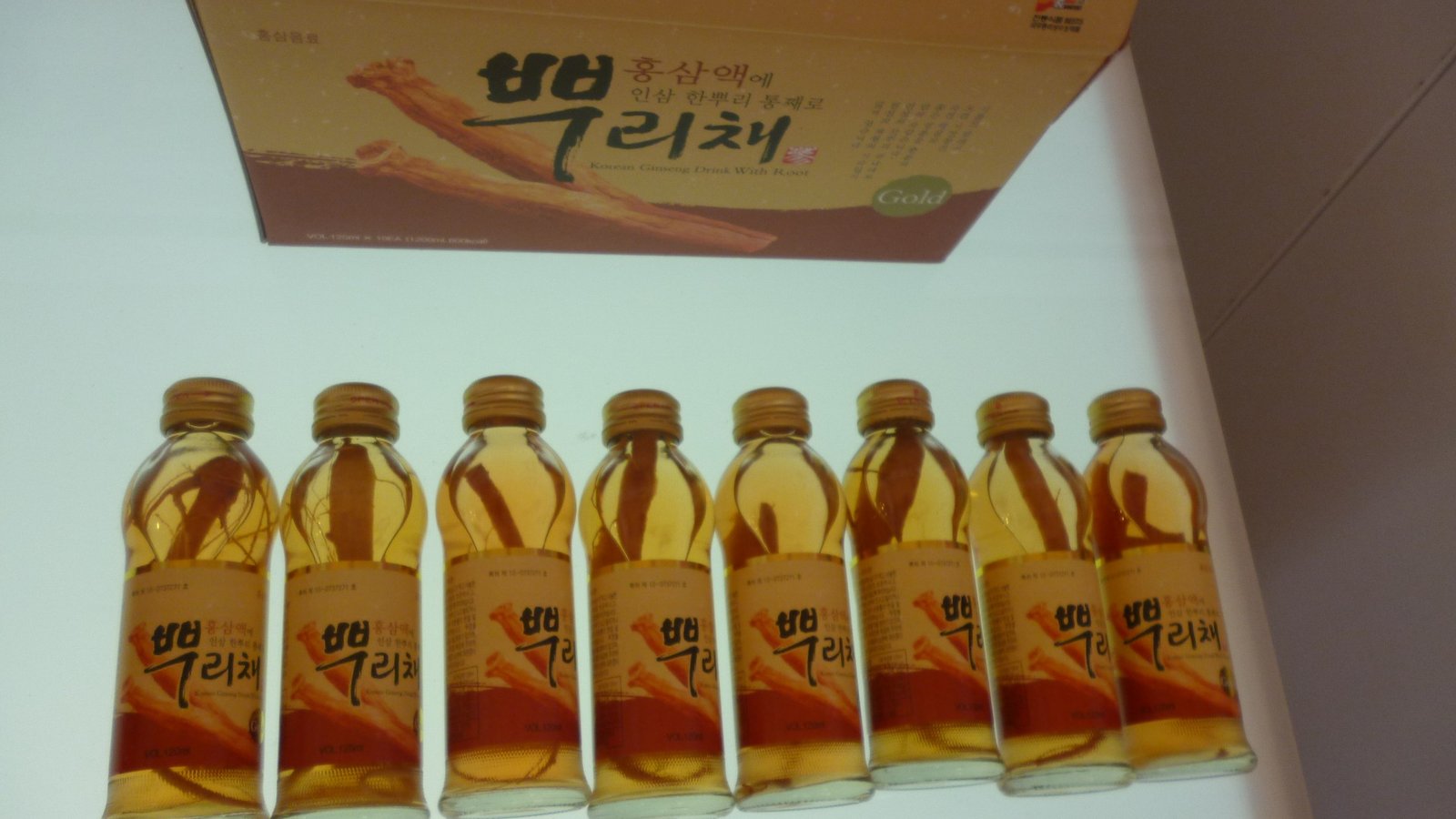
Looking to Restore Mental Clarity & Emotional Calm?🌿
Experience the clinically documented neuro-adaptogenic benefits of pure 6-Year Korean Red Ginseng, standardized for maximum bioavailable ginsenosides.
Explore Certified Korean Red GinsengGinseng and Anxiety: Understanding the Neurological Relationship
Anxiety is not merely a psychological mindset; it is a full-body biophysical state characterized by elevated circulating catecholamines (adrenaline and noradrenaline), hyperventilation, vascular constriction, and cerebral oxidative stress. When exploring ginseng and anxiety, clinical researchers emphasize that its therapeutic value lies in bi-directional homeostatic regulation.
In states of acute mental fatigue, ginseng increases mitochondrial ATP production in cerebral neurons, restoring cognitive clarity. Conversely, when the mind enters hyper-arousal and anxiety, ginsenoside Rb1 and its gut-derived metabolite Compound K cross the blood-brain barrier to quiet microglial inflammatory activation and attenuate autonomic over-reactivity.
Clinical Evidence on Ginseng and Anxiolytic Regulation
Recent peer-reviewed clinical studies provide compelling objective evidence regarding the mental health impact of standardized Panax ginseng:
- Cortisol Attenuation Trials: Randomized double-blind crossover studies demonstrate that subjects taking 1,000–2,000 mg of standardized Korean Red Ginseng during high-intensity cognitive stress protocols exhibited significantly lower salivary cortisol spikes compared to the placebo group.
- Burnout & Chronic Fatigue Scores: In clinical assessments of individuals experiencing chronic corporate burnout, 8 weeks of daily red ginseng supplementation produced marked reductions in self-reported emotional exhaustion and somatic anxiety scores.
- Electroencephalogram (EEG) Brainwave Modulation: Quantitative EEG studies reveal that ginseng increases resting Alpha brainwave activity (8–12 Hz)—the precise neural oscillation signature associated with meditative focus, flow states, and relaxed alertness.
Ginseng and Stress: Attenuating the HPA-Axis Response
When stress becomes chronic, the adrenal glands maintain an elevated baseline output of cortisol. This prolonged hormonal bath impairs synaptic plasticity in the prefrontal cortex, leading to memory lapses, brain fog, and irrational irritability. Ginseng serves as a physiological buffer by:
- Protecting Hippocampal Neurons: Saponin fractions neutralize reactive oxygen species (ROS) in neural tissue, protecting memory centers from stress-induced atrophy.
- Improving Cerebral Microcirculation: Ginseng stimulates endothelial nitric oxide synthase (eNOS), dilating cerebral capillaries and ensuring steady delivery of oxygen and glucose to oxygen-hungry brain cells during demanding intellectual tasks.
- Preventing Post-Stress Depressive Crashes: By preserving cellular energy reserves, ginseng prevents the profound physical and emotional depletion that frequently follows acute life crises or prolonged deadlines.
Specific Pathways: Mental Clarity, Mood Stability, and Deep Sleep Architecture
1) Mental Clarity & Cognitive Focus
Ginseng sharpens working memory, speeds up reaction times, and eliminates midday cognitive lethargy. Unlike high doses of caffeine that induce heart palpitations, ginseng enhances focus smoothly without creating autonomic agitation.
2) Mood Stability & Emotional Resilience
By balancing dopamine receptor sensitivity and neuro-inflammatory markers, ginseng helps smooth out sudden mood fluctuations, feelings of overwhelm, and unprovoked emotional irritability.
3) Restorative Deep Sleep Architecture
Although ginseng is energizing when taken in the morning, its daytime cortisol-buffering action prevents evening cortisol spikes. This allows natural melatonin production to proceed unimpeded, leading to deeper Stage-3 slow-wave sleep and refreshing morning wakefulness.
Herbal Anxiety Support: Where Does Ginseng Fit Among Adaptogens?
In the broader landscape of natural herbal remedies for stress and anxiety, understanding the unique pharmacological profile of each botanical is crucial:
| Herbal Adaptogen | Primary Neuro-Action | Best Suited For |
|---|---|---|
| Korean Red Ginseng | Alert tranquility, HPA-axis regulation, cerebral blood flow, dopamine/GABA balance | Daytime cognitive fatigue, stress-induced brain fog, burnout, executive demands |
| Ashwagandha (Withania somnifera) | Direct GABA-mimetic, cortisol lowering, deeper evening sedation | High somatic tension, insomnia, resting anxiety, racing evening thoughts |
| Rhodiola Rosea | Rapid monoamine oxidase inhibition, acute physical stamina | Short-term acute performance stress, physical athletic endurance |
| Chamomile / Lemon Balm | Mild peripheral muscle relaxation, direct mild sedation | Evening unwinding, digestive tension associated with nervous anxiety |
Practical Usage: Clinical Dosages, Formulations, and Safety
Recommended Daily Dosages for Mental Wellness:
- Concentrated Pure Red Ginseng Extract: 1,000 mg to 2,000 mg dissolved in warm water every morning with breakfast.
- Standardized Capsules: 200 mg to 500 mg daily (providing standardized ginsenosides Rg1+Rb1+Rg3).
- Optimal Timing: Take exclusively in the morning or early afternoon to align with your natural cortisol circadian peak and prevent any interference with bedtime sleep latency.
- Target Beneficiaries: Knowledge workers, students preparing for exams, individuals navigating career transitions, and caregivers experiencing emotional exhaustion.
- Contraindications: Individuals on psychiatric prescription medications (such as SSRIs, MAOIs, or lithium) or anticoagulants should consult their psychiatrist or physician prior to use to ensure zero pharmacological interactions.
Synergistic Lifestyle Stacking for Cognitive Resilience
Maximize your psychological resilience by pairing ginseng with evidence-based lifestyle habits:
- Box Breathing & Mindfulness: 5 minutes of slow diaphragmatic breathing (4-second inhale, 4-second hold, 4-second exhale, 4-second hold) activates the vagus nerve, working in tandem with ginsenosides to lower heart rate variability stress.
- Morning Natural Sunlight: Viewing 10–15 minutes of direct morning sunlight synchronizes the suprachiasmatic nucleus, cementing circadian rhythm alignment.
- Nutritional Magnesium & B-Complex: Ensure adequate intake of Magnesium Glycinate (200–400 mg) and active B-vitamins, essential co-factors for neurotransmitter synthesis.
Frequently Asked Questions (FAQ) About Ginseng & Mental Health
Do the mental health benefits of ginseng occur for everyone?
How do I incorporate ginseng into an herbal anxiety management plan?
What is the difference between acute panic and mild generalized stress?
When will I begin noticing tangible stress-reducing effects?
What is the single best time of day to take ginseng?
Can I combine ginseng with other calming herbs?
Does ginseng overstimulate the nervous system or cause nervousness?
How do ginseng’s mental health benefits relate to memory?
Is ginseng suitable for individuals with cardiovascular concerns?
Can ginseng be integrated into formal psychological care plans?
Official Scientific Sources and Peer-Reviewed Citations
Our neurological and psychopharmacological review is supported by peer-reviewed international clinical trials:
- Journal of Ginseng Research: “Panax ginseng and ginsenosides as neuroprotective adaptogens: Modulation of the HPA-axis and neuro-inflammatory pathways.” — PubMed PMID: 23717172.
- Frontiers in Pharmacology: “Anxiolytic and antidepressant-like effects of ginsenoside Compound K: Mechanisms involving GABAergic and serotonergic signaling.” — PubMed PMID: 33240087.
- Psychopharmacology: “Effects of Panax ginseng on cognitive performance, working memory, and mood in healthy human volunteers.” — PubMed PMID: 16855773.
- Phytotherapy Research: “Ginseng supplementation attenuates salivary cortisol levels and psychological burnout in chronic stress: A randomized trial.” — PubMed PMID: 26857640.
- Harvard Health Publishing: “Nutritional Psychiatry: Your Brain on Food, Adaptogens, and Stress Regulation.” — Harvard Medical School Clinical Report.