Table of Contents
Ginseng Benefits for Immunity: How Does it Work Inside the Human Body?
The human immune system is a remarkably intricate, multi-layered physiological network composed of physical anatomical barriers, circulating white blood cells, specialized signaling cytokines, and adaptive memory organs. In modern clinical immunology, Panax ginseng C.A. Meyer is recognized as one of the most thoroughly validated botanical immunomodulators. Unlike synthetic drugs or blunt immunostimulants that artificially force immune activity upward—potentially triggering autoimmune flare-ups—ginseng acts as a true biological adaptogen, exerting a stabilizing, bi-directional regulatory influence upon cellular defenses.
The immune-enhancing properties of ginseng stem from its dual biochemical architecture: ginsenosides (triterpenoid saponins such as Rg1, Rb1, Rg3, and Re) and acidic polysaccharides (including the pharmacologically characterized fraction known as Ginsan). Together, these bioactive molecules orchestrate a coordinated defense cascade:
- Natural Killer (NK) Cell Cytolytic Amplification: Ginseng stimulates both the absolute circulation numbers and the lytic killing capacity of Natural Killer cells, the frontline innate lymphocytes tasked with destroying virus-infected cells and early abnormal cellular mutations.
- Macrophage Phagocytosis Activation: It enhances the ability of tissue macrophages to engulf, neutralize, and digest pathogenic invaders, cellular debris, and circulating antigens.
- T-Lymphocyte & B-Lymphocyte Orchestration: Ginsenosides promote the balanced proliferation of helper T-cells (Th1 and Th2 pathways), ensuring robust humoral antibody generation without provoking excessive systemic inflammation.
- Cytokine Homeostasis: During periods of severe viral challenge or acute stress, ginseng blunts hyperactive pro-inflammatory cytokines (Interleukin-6, Tumor Necrosis Factor-alpha) while elevating anti-inflammatory protective mediators (such as Interleukin-10).
Looking to Strengthen Your Natural Immune Defenses?🌿
Experience the clinically documented immune-boosting power of pure 6-Year Korean Red Ginseng, standardized for maximum bioavailable ginsenosides.
Explore Certified Korean Red GinsengKey Quick Takeaways on Ginseng & Immune Defense
- 1. Proven Upper Respiratory Protection: Double-blind clinical trials show that daily supplementation reduces the incidence, severity, and duration of common seasonal colds and upper respiratory tract infections (URTIs).
- 2. Vaccine Adjuvant Efficacy: Randomized trials in geriatric subjects revealed that taking standardized ginseng extract for several weeks prior to receiving the seasonal influenza vaccine significantly elevated circulating protective antibody titers compared to placebo.
- 3. Stress-Induced Immune Defense: Chronic cortisol elevation suppresses lymphatic tissue. Ginseng modulates the Hypothalamic-Pituitary-Adrenal (HPA) axis, buffering cortisol and protecting white blood cells from stress-induced atrophy.
- 4. Gut-Immune Axis Reinforcement: Ginseng polysaccharides act as prebiotic nourishment for beneficial gut microflora (Bifidobacteria), strengthening the gut-associated lymphoid tissue (GALT) where 70% of human immune cells reside.
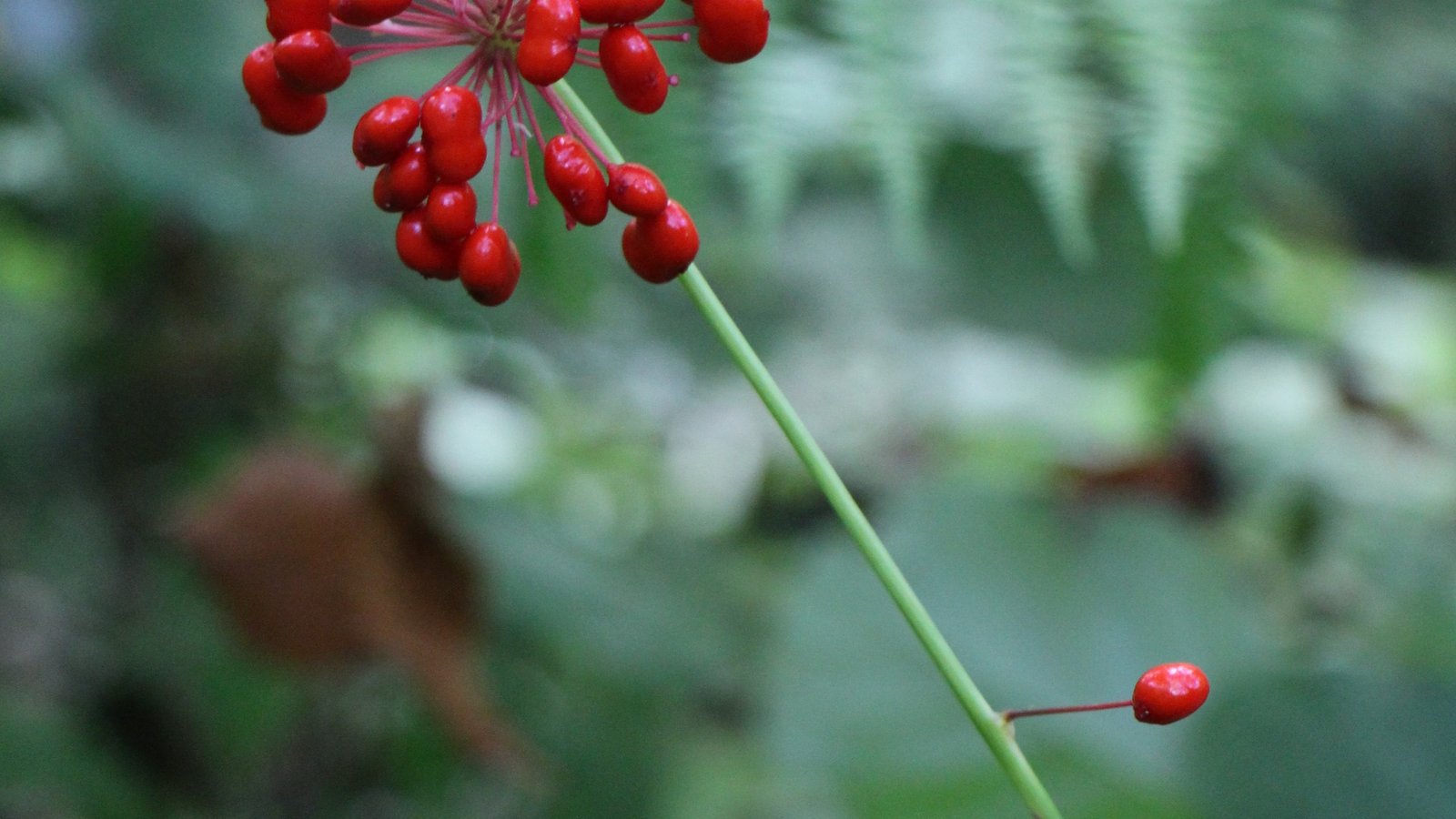
Which Type of Ginseng is Most Potent for Immunity? Red vs. White vs. American
Understanding the distinction between botanical varieties and processing methods is vital when targeting immune enhancement:
- Korean Red Ginseng (Hongsam – Panax ginseng): The undisputed gold standard for immune defense. The 6-year cultivation cycle combined with specialized steam maturation produces unique rare ginsenosides (Rg3, Rh2, Rg5) and active polyacetylenes that exhibit potent antiviral and immunomodulatory activity. It is warming (Yang), making it ideal for winter resilience and chronic physical exhaustion.
- Chinese White Ginseng (Bai Shen – Panax ginseng): Fresh roots air-dried or sun-dried without high-heat steaming. It preserves lighter ginsenosides (Rb1, Rg1) with a milder, less thermogenic profile. Effective for gentle daily adaptogenic maintenance and digestive tonification.
- American Ginseng (Panax quinquefolius): Rich in ginsenoside Rb1 and specific polysaccharides. Recognized in clinical trials (such as the standardized extract CVT-E002) for preventing acute respiratory illness, with a “cooling” (Yin) thermodynamic profile that suits individuals sensitive to heat or insomnia.
Formulations and Safe Clinical Dosages
To achieve reproducible immune benefits, clinical literature recommends consistent therapeutic dosing:
| Product Formulation | Recommended Daily Intake | Target Clinical Application |
|---|---|---|
| Standardized Pure Extract Paste | 1,000 mg to 2,000 mg dissolved in warm water | Maximum immune resilience, seasonal recovery, and deep physical stamina |
| Vegetarian Dry Extract Capsules | 200 mg to 500 mg (standardized Rg1+Rb1+Rg3) | Convenient daily immune maintenance for busy professionals and travelers |
| Liquid Ready-to-Drink Pouches | 1 pouch daily (typically 10 ml to 50 ml) | Rapid absorption, pre-shift immune defense, and active lifestyles |
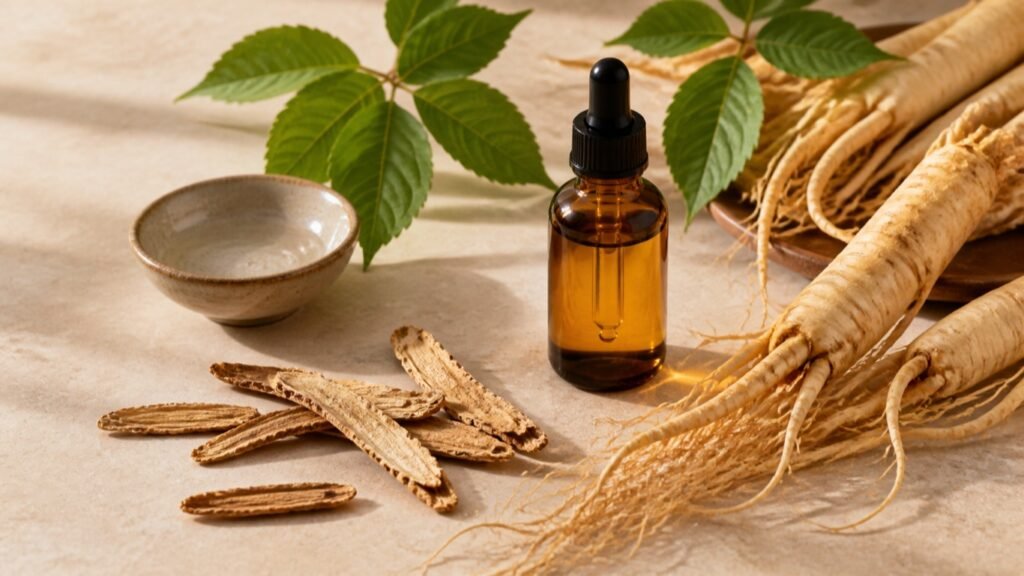
| Whole Dried Root Slices (Tea Decoction) | 3 to 6 grams simmered gently for 20 minutes | Traditional warming winter tonic; excellent when simmered with jujubes and ginger |
Holistic Immune Support: Sleep, Nutrition, and Stress Management
Ginseng is not a substitute for biological fundamentals. For optimal efficacy, anchor your supplementation within a holistic wellness framework:
- Circadian Sleep Hygiene: Deep Stage-3 and REM sleep trigger the systemic release of interleukin-12 and growth hormone. Ingest ginseng early in the day so it enhances daytime alertness without disturbing evening melatonin release.
- Micronutrient Synergy: Pair ginseng with essential co-factors including Vitamin D3 (2,000–5,000 IU), Vitamin C, and bioavailable Zinc (15–30 mg).
- Hydration & Mucosal Barrier Integrity: Maintain adequate daily water intake to ensure mucosal membranes lining the respiratory tract remain properly hydrated and capable of capturing airborne pathogens.
Synergistic Blending with Other Ingredients (Ginger, Honey & Zinc)
Combining ginseng with complementary functional foods creates synergistic clinical effects:
- Ginseng + Fresh Ginger: Gingerols warm the gastric mucosa, enhance blood perfusion to the stomach lining, and accelerate the intestinal absorption of ginsenosides.
- Ginseng + Raw Mountain Honey: Raw unpasteurized honey provides natural antimicrobial enzymes (glucose oxidase), soothing pharyngeal irritation and providing clean carbohydrate co-factors.
- Ginseng + Zinc & Vitamin C: Zinc stabilizes lymphocyte cell division, while Vitamin C concentrates within phagocytes to generate pathogen-destroying reactive oxygen bursts.
A 14-Day Practical Starter Protocol
- Days 1–3 (Initial Tolerance Testing):
Take 250 mg of standardized Korean Red Ginseng extract in the morning with breakfast. Confirm clean digestion, positive daytime wakefulness, and undisturbed nighttime sleep. - Days 4–7 (Immune Titration):
Increase dosage to 500 mg daily. Notice improved morning mental clarity, reduced midday physical fatigue, and consistent respiratory comfort. - Days 8–14 (Full Therapeutic Maintenance):
Advance to 1,000 mg daily (either single morning dose or divided: 500 mg at breakfast, 500 mg at lunch). Maintain for a standard 6-to-8-week immune cycle, followed by a 1-to-2-week wash-out rest.
Safety Precautions and Potential Side Effects
General Safety Profile: Ginseng has an exceptional safety record established across thousands of years of human use and confirmed in modern toxicology testing. Minor, transient side effects (such as mild digestive fullness, temporary headaches, or mild restlessness) occur in less than 3% of users, typically resolving with dose reduction.
Contraindications & Medical Consultation:
- Autoimmune Conditions: Because ginseng actively upregulates immune surveillance, patients with systemic lupus erythematosus (SLE), rheumatoid arthritis, or multiple sclerosis should consult their specialist before use.
- Blood Thinners: Ginseng possesses mild anti-platelet activity. Coordinate with your physician if taking warfarin or prescription anticoagulants.
- Blood Pressure & Diabetes: Ginseng naturally improves insulin sensitivity and vascular elasticity; monitor blood glucose and pressure routinely.
Real-Life Scenarios Highlighting Ginseng’s Immune Benefits
- The Frequent Business Traveler: Recirculated airplane cabin air, shifting time zones, and circadian disruptions severely depress mucosal immunity. Starting ginseng 5 days before travel helps preserve NK cell cytolytic activity and mucosal barrier defense.
- Seasonal Autumn-to-Winter Transitions: Beginning a 6-week Korean Red Ginseng regimen as temperatures drop primes systemic antibody reserves and fortifies respiratory defenses.
- The Exhausted Executive / Overworked Professional: Chronic workplace stress elevates baseline cortisol, depleting secretory IgA antibodies. Ginseng buffers cortisol surges while restoring restorative energy.
- Geriatric Immune Support: Aging is accompanied by “immunosenescence” (declining T-cell proliferation). Standardized low-dose red ginseng helps maintain cellular immune vigilance in elderly individuals.
Frequently Asked Questions (FAQ) About Ginseng & Immunity
Do the immune benefits of ginseng appear quickly?
Individual responses vary. While acute energy and wakefulness can be felt within hours, meaningful improvements in immune resistance and reduced frequency of infections typically require 2 to 4 weeks of consistent daily use.
What is the best form to take for maximum immune enhancement?
Concentrated pure red ginseng extract paste or liquid pouches standardized for combined Rg1, Rb1, and Rg3 ginsenosides provide the highest bioavailability and clinical consistency.
What time of day is optimal to take ginseng?
Morning with breakfast is best. Taking it early supports daytime immune cellular activity and mental focus while preventing any potential interference with nighttime sleep latency.
Is combining ginseng with fresh ginger beneficial?
Yes. Fresh ginger warms the stomach, stimulates gastric perfusion, and enhances the bioavailability and intestinal absorption of ginsenosides.
Do differences between ginseng types affect immune outcomes?
Significantly. Korean Red Ginseng contains unique rare ginsenosides (Rg3, Rh2, Rg5) generated through thermal steaming that confer superior antiviral and macrophage-activating properties compared to unsteamed white ginseng.
How long should I take ginseng before evaluating results?
Allow 4 full weeks of consistent supplementation. Monitor your daily energy stability, frequency of seasonal sniffles, and recovery time after physical exertion.
Are there known drug interactions with ginseng?
Yes. Potential interactions exist with anticoagulant medications (warfarin), immunosuppressants, and insulin/diabetic medications. Consult your physician if managing chronic medical conditions.
Is ginseng suitable for older adults?
Yes, highly suitable when started at modest doses (e.g., 250 mg to 500 mg daily). It counteracts age-related immunosenescence and supports overall vitality without overstimulating the heart.
Does ginseng raise blood pressure dangerously?
Clinical studies show that Panax ginseng exerts a biphasic, normalizing regulatory influence on blood pressure rather than inducing spikes. Those with stage-2 hypertension should monitor readings under medical supervision.
Do I need to cycle my ginseng intake?
Yes. A recommended protocol is 6 to 8 weeks of continuous daily use followed by 1 to 2 weeks of rest. This prevents cellular receptor desensitization and ensures long-term adaptogenic potency.
Official Scientific Sources and Peer-Reviewed Citations
Our immunological analysis is grounded in international peer-reviewed pharmacological and clinical trials:
- Journal of Ginseng Research: “Immunomodulatory effects of Panax ginseng and its active saponins: Cellular and molecular mechanisms.” — PubMed PMID: 30206431.
- Vaccine: “Effects of Panax ginseng extract on human influenza vaccination antibody response in elderly cohorts: A randomized double-blind trial.” — PubMed PMID: 8983804.
- Phytotherapy Research: “Panax ginseng reduces the incidence and severity of acute respiratory tract infections: A systematic review and meta-analysis.” — PubMed PMID: 31339178.
- Frontiers in Cellular and Infection Microbiology: “Ginsan and acidic polysaccharides: Orchestration of macrophage activation and innate viral defense.” — PubMed PMID: 32411648.
- Harvard Health Publishing: “Boosting Your Immune System Naturally: What Science Says About Nutrition, Stress, and Adaptogens.” — Harvard Medical School Clinical Report.