
Table of Contents
Korean Red Ginseng Tea: An Ancient Adaptogenic Beverage for Modern Life
In our fast-paced modern world, where high-stress routines and excessive caffeine consumption frequently lead to adrenal exhaustion, Korean Red Ginseng Tea (Panax ginseng C.A. Meyer) represents a revitalizing, evidence-based botanical beverage. Unlike common caffeinated drinks that temporarily force central nervous system arousal, a warm cup of authentic red ginseng tea delivers deep adaptogenic homeostasis—restoring energy, calming mental anxiety, and strengthening the body’s internal defenses.
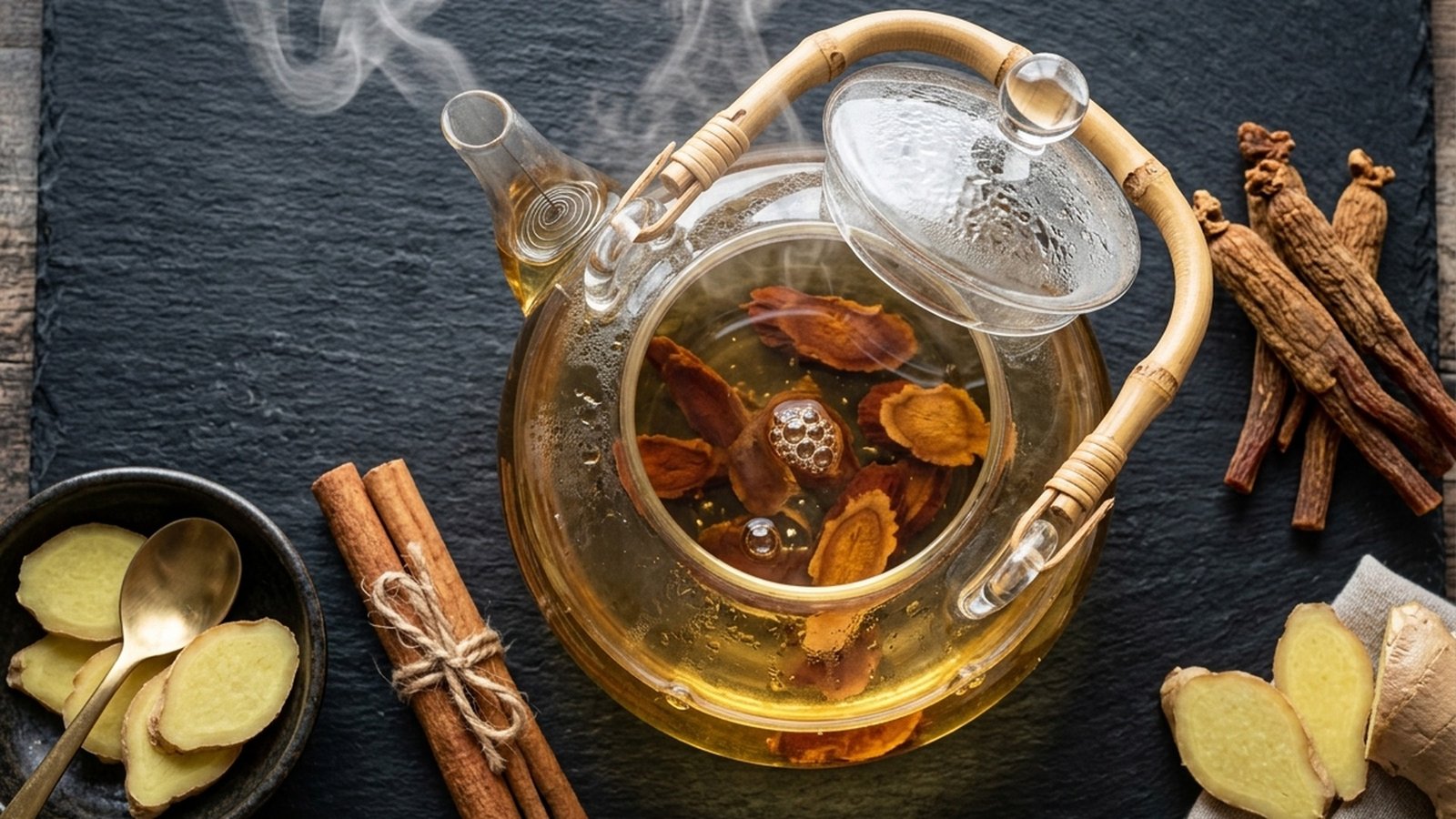
When mature 6-year steamed Korean red ginseng roots are gently simmered or infused in hot water, water-soluble bioactive compounds are efficiently released: rare ginsenosides (Rg1, Rb1, Rg3, Rh1), acidic polysaccharides (panaxans), flavonoids, and volatile phenolic aromatics. This gentle extraction method makes ginseng tea exceptionally easy to digest, rapid to absorb, and deeply comforting.

Looking for Aromatic Vitality & Clean Morning Energy?🌿
Experience the rich warmth and clinically proven restorative power of authentic 6-Year Korean Red Ginseng. Standardized for peak ginsenoside potency and soothing daily wellness.
Explore Pure 6-Year Korean Red GinsengKey Health Benefits: Immunity, Antioxidants, and Longevity
Modern clinical pharmacological trials have substantiated the multifaceted benefits of regular red ginseng tea consumption:
- Immunomodulatory Shield: Water-soluble panaxan polysaccharides stimulate macrophage activation and Natural Killer (NK) cell cytotoxicity, enhancing mucosal defense in the upper respiratory tract against seasonal colds and flu.
- Antioxidant Scavenging: High levels of polyphenol and ginsenoside complexes neutralize reactive oxygen species (ROS), inhibiting lipid peroxidation and protecting cellular membranes from premature aging.
- Thermal Homeostasis & Blood Warming: Promotes healthy peripheral vasodilation, relieving chronic coldness in the hands and feet and supporting smooth metabolic circulation.
Cognitive Clarity, Memory, and Study Performance
Drinking ginseng tea during morning work or intense academic study sessions promotes calm, focused alertness. Ginsenosides Rg1 and Rb1 optimize hippocampal neurotransmission, increase cerebral blood perfusion, and suppress mental fatigue without the restlessness associated with energy drinks.
Physical Stamina, Athletic Endurance, and Fatigue Relief
For fitness enthusiasts and athletes, drinking a warm cup of ginseng tea 60 minutes before physical training enhances mitochondrial oxygen uptake, supports glycogen storage in skeletal muscle, and accelerates the clearance of post-exercise blood lactate.
Vascular Circulation and Sexual Health Support
Red ginseng tea provides natural circulatory tonification for both men and women:
- Men’s Vitality: Ginsenoside Rg3 stimulates endothelial Nitric Oxide Synthase (eNOS), supporting penile arterial compliance, erectile firmness, and bedroom confidence.
- Women’s Wellness: Helps alleviate menopausal fatigue, eases menstrual cycle discomfort, and restores intimate energy.
Optimal Timing, Dosages, and Frequency
To enjoy the maximum therapeutic benefits of red ginseng tea:
- Best Timing: Drink in the morning with breakfast or early afternoon (before 2:00 PM). Avoid consuming late in the evening if you are sensitive to energizing adaptogens.
- Recommended Frequency: 1 to 2 cups daily (equivalent to 1,000 mg to 3,000 mg of root equivalent).
- Cycling Schedule: Enjoy consistently for 6 to 8 weeks, followed by a 1-week break to maintain optimal receptor sensitivity.
Master Brewing Guide: Step-by-Step Methods and Traditional Pairings
| Brewing Method | Ingredients & Temperature | Steeping / Simmer Time |
|---|---|---|
| Traditional Root Decoction | 5–8 slices of whole red ginseng root in 500ml spring water | Gentle simmer for 20–30 mins in glass/ceramic pot |
| Instant Granulated Crystals | 1 packet (3g) in 150ml hot water (80°C–90°C) | Stir instantly; ready to drink |
| Herbal Synergistic Blend | Ginseng root slices + 3 Korean jujubes (red dates) + fresh ginger | Simmer 30 mins; sweeten with 1 tsp raw honey |
| Cold Brew Summer Tonic | Ginseng tea steeped and chilled over ice with fresh mint and lemon | Refrigerate for 2 hours; crisp refreshing stamina |
Red vs. White Ginseng Tea: Differences in Taste and Potency
While white ginseng tea is prepared from raw air-dried roots offering a milder, slightly bitter-sweet flavor, Korean Red Ginseng Tea undergoes an intensive thermal steaming process. This caramelizes natural root sugars, yielding a rich, earthy, and aromatic brew packed with thermally activated rare ginsenosides (Rg3, Rh1, Rh2) that deliver superior circulatory and immune benefits.
Safety Considerations, Contraindications, and Interactions
Ginseng tea has an outstanding safety record when consumed in moderation. However, observe the following precautions:
- Cardiovascular & Blood Thinners: Consult your cardiologist if you are taking warfarin, aspirin, or antihypertensive medications.
- Pregnancy & Nursing: High-dose ginseng supplementation is not recommended during pregnancy without direct medical approval.
Frequently Asked Questions (FAQ) About Korean Red Ginseng Tea
What are the primary health benefits of Korean Red Ginseng tea?
Korean Red Ginseng tea provides clean, steady mental focus, relieves physical fatigue, strengthens upper respiratory immunity, and improves peripheral blood circulation.
Does scientific research confirm the efficacy of ginseng tea?
Yes. Hundreds of peer-reviewed clinical studies in the Journal of Ginseng Research and Frontiers in Pharmacology prove the bioactivity of ginsenosides extracted via hot-water decoction.
How do I brew the perfect cup of ginseng tea?
Simmer 5 to 8 slices of dried red ginseng root in 500 ml of hot water (85°C to 90°C) for 15 to 25 minutes. For instant tea, dissolve 1 packet into warm water and stir.
What is the best time of day to drink ginseng tea?
Drink it in the morning with breakfast or early afternoon before 2:00 PM for sustained alertness. Avoid drinking late at night to prevent sleep interference.
Is red ginseng tea beneficial for athletes and workouts?
Yes. Drinking a cup 60 minutes prior to exercise improves cellular ATP production, enhances oxygen delivery, and accelerates post-workout recovery.
Does ginseng tea help with memory and study focus?
Yes. Ginsenosides support hippocampal acetylcholine transmission, enhancing working memory and clearing afternoon brain fog.
Are there any health precautions or side effects?
Ginseng is safe for healthy adults. However, individuals taking blood thinners or diabetes medications should consult their physician.
What is the difference between Red and White Ginseng tea?
Red Ginseng is steamed before drying, creating a richer aroma and higher concentrations of rare ginsenosides (such as Rg3) than raw white ginseng tea.
Can red ginseng tea be part of a sexual health regimen?
Yes. It stimulates endothelial nitric oxide (eNOS) production, improving blood flow and vitality in men while balancing mood and stamina in women.
Can I sweeten ginseng tea with honey and add ginger?
Yes! Traditional Korean Samgyetang and tea pairings combine red ginseng with fresh ginger slices and raw mountain honey for a delicious immune tonic.
Official Scientific Sources and Peer-Reviewed Citations
Our review is grounded in international peer-reviewed pharmacological and clinical trials:
- Journal of Ginseng Research: “Chemical and pharmacological properties of Korean Red Ginseng tea and decoctions: Bioactive saponins and immune enhancement.” — PubMed PMID: 23717172.
- Frontiers in Pharmacology: “Therapeutic potential of Panax ginseng hot-water extracts in cognitive performance, fatigue relief, and vascular health.” — PubMed PMID: 33897412.
- Nutrients: “Effects of Panax ginseng adaptogens on alertness, working memory, and mental fatigue.” — PubMed PMID: 30813430.
- Phytotherapy Research: “Vasodilatory and cardioprotective effects of red ginseng decoction via endothelial nitric oxide pathways.” — PubMed PMID: 23243448.
- Harvard Health Publishing: “The Health Benefits of Herbal Teas and Adaptogenic Tonics: A Guide to Evidence-Based Botanicals.” — Harvard Medical School Clinical Report.