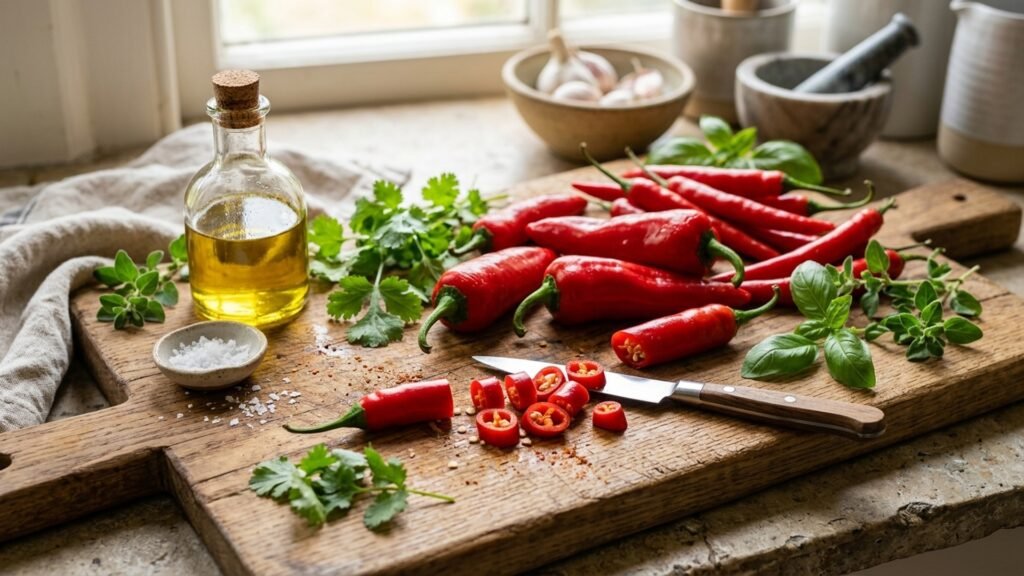
For centuries across traditional global cuisines, chili peppers (Capsicum annuum and Capsicum frutescens) have held a revered reputation as culinary aphrodisiacs and invigorating botanical tonics. While modern sports nutrition often focuses on peppers for thermogenesis and metabolic speed, reproductive endocrinology and vascular science demonstrate that chili peppers offer remarkable, targeted physiological benefits for female sexual health, sensory responsiveness, pelvic circulation, and mood enhancement.
The primary bioactive compound responsible for this invigorating effect is capsaicin, alongside a dense spectrum of Vitamin C, bioflavonoids, carotenoids (capsanthin), and Vitamin E. When consumed in balanced culinary amounts, capsaicin activates specific sensory neuro-receptors (TRPV1 channels), triggering an immediate surge in natural endorphins, stimulating peripheral pelvic vasodilation, increasing tactile sensitivity, and supporting mucosal transudate lubrication.
Biological Mechanism: Capsaicin activates vanilloid (TRPV1) nerve receptors in the palate and digestive tract, triggering the release of substance P, endorphins, and endothelial nitric oxide (NO). This mimics natural physiological arousal by increasing heart rate, warming peripheral tissues, and enhancing clitoral and pelvic blood flow.
Table of Contents
- How Chili Peppers Enhance Female Sexual Physiology: 4 Biological Pathways
- 1. Pelvic Vasodilation & Clitoral Microvascular Engorgement
- 2. The Endorphin Surge: Stress Relief, Dopamine & Intimate Warmth
- 3. Thermogenesis, Metabolic Fire & Overcoming Chronic Fatigue
- 4. Supporting Mucosal Hydration & Sensory Responsiveness
- How to Smartly Incorporate Spicy Nutrition into a Woman’s Diet
- Nourishing Culinary Recipes for Female Vitality
- A Structured 4-Week Progressive Spicy Wellness Plan
- Safety Precautions & Who Should Avoid Excess Chili
- Synergizing Chili Peppers with Korean Red Ginseng
- Frequently Asked Questions (FAQ)
- Scientific References & Clinical Literature

How Chili Peppers Enhance Female Sexual Physiology: 4 Biological Pathways
Understanding why spicy foods elevate intimate wellness requires examining the neurological and cardiovascular responses triggered by capsaicin:
1. Pelvic Vasodilation & Clitoral Microvascular Engorgement
Physical arousal in women is fundamentally dependent on rapid pelvic hemodynamics. Capsaicin stimulates endothelial cells to produce calcitonin gene-related peptide (CGRP) and nitric oxide (NO). This dilates micro-capillaries throughout the pelvic basin, increasing clitoral blood perfusion, enhancing tactile sensitivity, and intensifying arousal reflexes.
2. The Endorphin Surge: Stress Relief, Dopamine & Intimate Warmth
When capsaicin binds to heat-sensing TRPV1 receptors on the tongue, the central nervous system interprets the mild heat as a stimulant signal. In response, the brain releases a flood of endorphins and dopamine—nature’s natural pain-relieving and euphoria-inducing neurochemicals. This biochemical response lowers daily anxiety, dispels emotional tension, and fosters a receptive, romantic mindset.
3. Thermogenesis, Metabolic Fire & Overcoming Chronic Fatigue
Many women experience reduced sexual interest due to sheer physical exhaustion and sluggish circulation. Capsaicin stimulates brown adipose tissue (BAT) thermogenesis, gently raising core body temperature and oxygen consumption, delivering a clean, non-jittery surge of physical vitality that overcomes evening lethargy.
4. Supporting Mucosal Hydration & Sensory Responsiveness
Rich in bioavailable Vitamin C (exceeding citrus fruits per 100g) and carotenoid antioxidants, chili peppers support collagen integrity and protect micro-vessels from oxidative stiffening. The enhanced capillary perfusion in pelvic tissues promotes natural mucosal transudate fluid production, reducing friction and intimate discomfort.
| Nutrient / Phyto-Compound | Target Tissue / Receptors | Primary Biological Mechanism | Sexual & Wellness Benefit |
|---|---|---|---|
| Capsaicin | TRPV1 Vanilloid Receptors | Stimulates CGRP, eNOS, and beta-endorphin release | Pelvic warming, clitoral vasodilation, heightened touch sensitivity |
| Vitamin C (Ascorbic Acid) | Vascular Endothelium | Protects Nitric Oxide from oxidative degradation; Collagen synthesis | Elastic blood vessels, mucosal barrier strength, immune support |
| Capsanthin & Carotenoids | Ovaries & Adrenal Glands | High-potency cellular antioxidant scavenging | Hormonal tissue protection, reduced inflammatory cytokines |
| Vitamin E (Tocopherol) | Epithelial Membranes | Lipid peroxidation inhibition | Enhanced skin moisture, intimate comfort, cellular elasticity |
| Potassium & Magnesium | Vascular Smooth Muscle | Electrolyte balance; Vasomotor relaxation | Prevents arterial cramping, supports healthy blood pressure |
How to Smartly Incorporate Spicy Nutrition into a Woman’s Diet
Achieving optimal physiological benefits does not require enduring extreme, painful heat levels. Therapeutic benefits occur through gentle, regular culinary micro-dosing:
- Pair with Healthy Dietary Fats: Capsaicin is lipid-soluble. Consuming chili peppers cooked in extra virgin olive oil, coconut oil, or alongside avocado ensures smooth, sustained intestinal absorption while buffering gastric mucosal lining.
- Choose Fresh vs. Dried Varieties: Fresh red and green chili peppers supply superior Vitamin C and active water content. Crushed red chili flakes or cayenne powder provide convenient, shelf-stable capsaicin.
- Combine with Cooling Herbs: Balance the heat with fresh cilantro, mint, ginger, and lemon juice to optimize digestion without acid reflux.
Nourishing Culinary Recipes for Female Vitality
1. The Morning Capsaicin & Lemon Awakening Elixir
- 1 cup warm filtered water.
- Fresh juice of 1/2 organic lemon.
- A light pinch (approx. 1/8 teaspoon) of pure organic Cayenne pepper.
- 1 teaspoon pure raw honey or royal honey.
- Method: Stir well and drink on an empty stomach in the morning to ignite sluggish metabolism and stimulate peripheral blood flow.
2. Mediterranean Warm Spicy Shakshuka
- 2 organic pasture-raised eggs.
- 1 cup crushed organic tomatoes with bioavailable lycopene.
- 1/2 diced red bell pepper + 1/2 fresh red chili pepper (finely sliced).
- 1 clove minced garlic, 1 tablespoon extra virgin olive oil, cumin, and fresh parsley.
- Method: Simmer tomatoes and peppers in olive oil, crack eggs into the sauce, cover until poached. Enjoy with sourdough bread for sustained hormonal energy.
A Structured 4-Week Progressive Spicy Wellness Plan
| Week | Culinary Spicy Protocol | Lifestyle & Botanical Synergy | Observed Wellness Milestones |
|---|---|---|---|
| Week 1 (Days 1–7) | Add a pinch of chili flakes or cayenne to 1 meal daily | Drink 2.5L water; Mindful eating | Noticeable metabolic warmth; Improved digestive motility |
| Week 2 (Days 8–14) | Incorporate fresh sliced red chili or spicy hummus 3x weekly | Gentle pelvic floor toning; Evening relaxing tea | Post-meal endorphin lift; Reduced daytime brain fog |
| Week 3 (Days 15–21) | Enjoy warm spiced soups or curries 4x weekly + Korean Red Ginseng | Brisk walking 30 min; Dark chocolate (70%+) | Heightened pelvic micro-circulation; Increased intimate responsiveness |
| Week 4 (Days 22–30) | Maintain balanced culinary spicy habits as a joyful lifestyle | Quality sleep 7–8 hours; Couples massage | Sustained vitality, heightened feminine desire, and intimate comfort |
Maximize Pelvic Circulation with Korean Red Ginseng
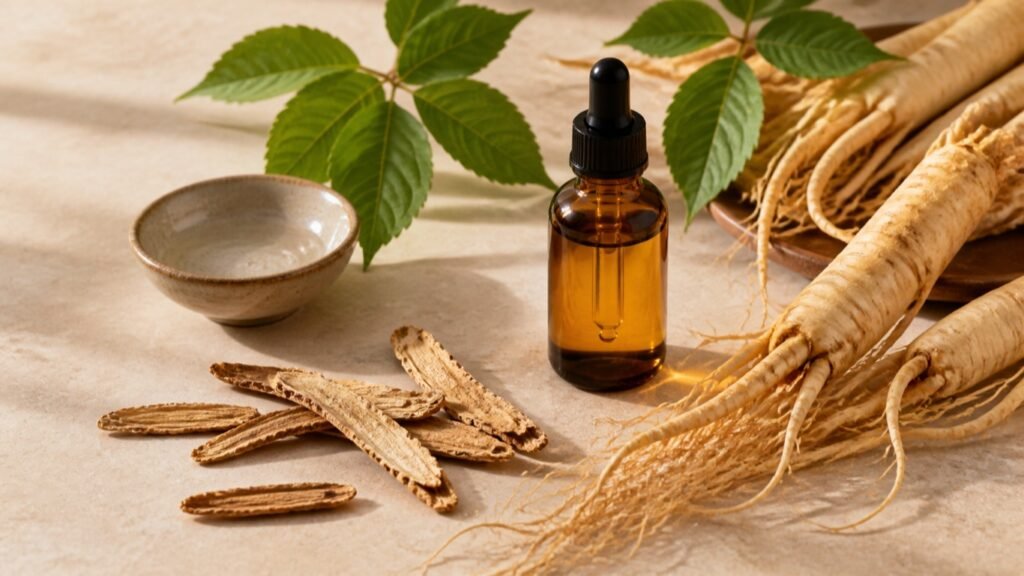
Combine the thermogenic power of dietary capsaicin with authentic 6-year-old Korean Red Ginseng. Standardized ginsenosides directly upregulate endothelial nitric oxide, rejuvenating feminine stamina, mood, and intimate vitality.
Safety Precautions & Who Should Avoid Excess Chili
While culinary chili peppers are safe and nutritious for most women, certain clinical precautions apply:
- Active Gastrointestinal Conditions: Women with active peptic ulcers, severe gastroesophageal reflux disease (GERD), or irritable bowel syndrome (IBS) flares should minimize spicy foods to prevent mucosal irritation.
- Interstitial Cystitis: Capsaicin metabolites excreted in urine can irritate sensitive bladder linings in women diagnosed with interstitial cystitis.
- Never Apply Topically to Mucous Membranes: Pure chili pepper extracts or capsaicin oils should never be applied directly to delicate vaginal or genital tissues, as it causes severe chemical burning.
Synergizing Chili Peppers with Korean Red Ginseng
For women seeking comprehensive vitality, combining culinary spices with Korean Red Ginseng represents an extraordinary holistic strategy:
While chili peppers trigger rapid sensory TRPV1 endorphin release and peripheral warmth, Korean Red Ginseng provides steady, long-lasting adaptogenic support—balancing the HPA axis, restoring adrenal energy, and nourishing microvascular beds over weeks of use.
Frequently Asked Questions (FAQ)
Peer-Reviewed Scientific References & Clinical Literature:
- Open Heart (BMJ 2015): “Capsaicin may have important potential for promoting vascular and metabolic health: Role of TRPV1 receptors and nitric oxide.” PMID: 26113985
- Pharmacological Reviews (2014): “Transient Receptor Potential Vanilloid 1 (TRPV1) channels: Physiological roles in sensory neurotransmission, vasodilation, and endorphin pathways.” PMID: 24789504
- Appetite (2014): “Capsaicin and sensory satiety: Endorphin release, mood elevation, and autonomic sympathetic modulation.” PMID: 24269584
- Journal of Ginseng Research (2021): “Korean Red Ginseng and botanical bioflavonoids in female microvascular hemodynamics and sexual satisfaction.” PMID: 34588972
- Harvard Health Publishing (2023): “The health benefits of spicy foods: Evaluating capsaicin for cardiovascular function, longevity, and metabolic vitality.”