Testosterone is the master endocrine driver of masculine vitality, governing muscle protein synthesis, bone mineral density, cognitive sharpness, spatial memory, mood resilience, and robust sexual function. While modern medical marketing frequently promotes synthetic Testosterone Replacement Therapy (TRT) as a quick fix, exogenous hormone administration shuts down the body’s natural Hypothalamic-Pituitary-Gonadal (HPG) axis, leading to testicular atrophy, infertility, and lifelong dependence. Optimizing testosterone naturally preserves endogenous endocrine signaling, restores natural bioavailable free testosterone, and builds enduring physical vitality. This comprehensive, step-by-step scientific guide details the biological mechanisms of testosterone production, evidence-based nutritional protocols, heavy compound lifting strategies, sleep architecture, and standardized botanical adaptogens.
Table of Contents
- 1. The Biological Framework: How the HPG Axis, Leydig Cells & Free Testosterone Work
- 2. Sleep Architecture: The Circadian Testosterone Factory
- 3. Smart Nutritional Blueprint: Healthy Fats, Protein, Carbs & Micronutrients
- 4. Recognizing Symptoms: Low Testosterone vs. Excessive Hormonal Fluctuations
- 5. Targeted Physical Training: Heavy Compound Lifts & Avoiding Overtraining
- 6. Clinically Validated Botanical Adaptogens: Tongkat Ali, Korean Red Ginseng & Ashwagandha
- 7. Step-by-Step 60-Day Testosterone Optimization Plan
- 8. Frequently Asked Questions (FAQ)
- 9. Scientific References & Clinical Studies
1. The Biological Framework: How the HPG Axis, Leydig Cells & Free Testosterone Work
Endogenous testosterone synthesis is orchestrated by the Hypothalamic-Pituitary-Gonadal (HPG) axis through a precise pulsatile feedback mechanism:
- GnRH & Luteinizing Hormone (LH) Pulsing: The hypothalamus releases Gonadotropin-Releasing Hormone (GnRH), prompting the anterior pituitary gland to secrete Luteinizing Hormone (LH) and Follicle-Stimulating Hormone (FSH) into circulation.
- Leydig Cell Steroidogenesis: LH binds to LH receptors on testicular Leydig cells, stimulating the Steroidogenic Acute Regulatory (StAR) protein to transport free cholesterol across the inner mitochondrial membrane. Cholesterol is converted into pregnenolone by the CYP11A1 enzyme, initiating the steroid cascade that culminates in testosterone.
- Total vs. Free Testosterone: Over 98% of circulating testosterone is bound to proteins—approximately 44% to Sex Hormone-Binding Globulin (SHBG) with high affinity, and 54% to Albumin with loose affinity. Only the remaining 1% to 2% is completely free (unbound) testosterone, which can enter target cell nuclei to activate androgen receptors.
- Aromatase & Estrogen Balance: In adipose tissue, the aromatase enzyme converts a fraction of testosterone into estradiol. Excessive visceral fat upregulates aromatase, suppressing pituitary LH release and creating a vicious cycle of hypogonadism.
2. Sleep Architecture: The Circadian Testosterone Factory
Testosterone release is intrinsically linked to the circadian sleep-wake cycle. Blood levels rise during initial sleep onset, peak during the first uninterrupted REM (Rapid Eye Movement) and slow-wave Stage-3 sleep cycles, and remain elevated in the early morning hours.
- The 15% Reduction Rule: Clinical research demonstrates that restricting healthy young men to 5 hours of sleep per night for just one week reduces daytime testosterone levels by 10% to 15%, equivalent to 10–15 years of biological aging.
- Optimizing Sleep Cycles: Aim for 7.5 to 8.5 hours of restorative sleep. Maintain strict sleep hygiene: keep the bedroom at 18–20°C, eliminate all ambient light, and stop eating large meals 3 hours prior to sleep.
3. Smart Nutritional Blueprint: Healthy Fats, Protein, Carbs & Micronutrients
Nutrition provides the exact chemical substrates required for steroidogenesis:
A. Dietary Fats (The Cholesterol Steroid Backbone)
Low-fat diets consistently crash serum testosterone levels. Ensure that 30% to 40% of your daily caloric intake comes from healthy fats: whole pastured eggs (rich in bioavailable cholesterol and choline), extra virgin olive oil, avocados, grass-fed butter, and wild fatty fish (salmon, sardines).
B. Protein & Smart Carbohydrates
Consume 1.6 to 2.2 grams of protein per kilogram of body weight daily (grass-fed beef, poultry, wild seafood, organic dairy) to support muscle protein synthesis. Combine with complex carbohydrates (sweet potatoes, oats, berries, quinoa) to blunt exercise-induced cortisol spikes and support thyroid hormone (T3) conversion.
C. Essential Micronutrient Powerhouses
- Vitamin D3 (2,000–5,000 IU): Directly upregulates androgen receptor sensitivity and Leydig cell enzymes.
- Zinc Glycinate (15–30 mg): Prevents excessive aromatization of testosterone into estrogen and supports spermatogenesis.
- Magnesium Bisglycinate (300–400 mg): Unbinds testosterone from SHBG, significantly increasing bioavailable free testosterone.
- Boron (6–10 mg): Lowers SHBG levels by up to 28% in healthy men within one week of supplementation.
4. Recognizing Symptoms: Low Testosterone vs. Excessive Hormonal Fluctuations
Understanding clinical signs helps identify endocrine imbalances early:
- Signs of Suboptimal / Low Testosterone: Persistent chronic fatigue, loss of spontaneous morning erections, decreased libido, loss of lean muscle mass, accumulation of stubborn visceral belly fat, brain fog, depressive moods, and prolonged post-workout soreness.
- Signs of Excessive Synthetic Androgen Abuse (TRT Overdose): Severe cystic acne, rapid hair loss, testicular shrinkage, elevated hematocrit (thickened blood), emotional irritability, and gynecomastia (breast tissue growth from excessive aromatization).
5. Targeted Physical Training: Heavy Compound Lifts & Avoiding Overtraining
Exercise prescription must be precise: lifting heavy stimulates androgen production, while excessive endurance training destroys it.
- Heavy Multi-Joint Compound Lifts: Prioritize barbell squats, deadlifts, overhead presses, bench presses, and weighted pull-ups. Train with 75%–85% of your 1-Repetition Maximum (1RM) for 4–6 sets of 4–8 repetitions with 2–3 minutes of rest between sets.
- Sprint Interval Training (HIIT): Perform 6 to 8 all-out 20-second sprints on a stationary bike or track, with 90 seconds of active recovery.
- Avoid Chronic Cardio Overtraining: Excessive endurance running (over 60–90 minutes per session) elevates chronic cortisol, suppresses GnRH, and induces exercise-hypogonadal male condition.
6. Clinically Validated Botanical Adaptogens: Tongkat Ali, Korean Red Ginseng & Ashwagandha
Standardized botanical adaptogens provide powerful natural endocrine optimization:
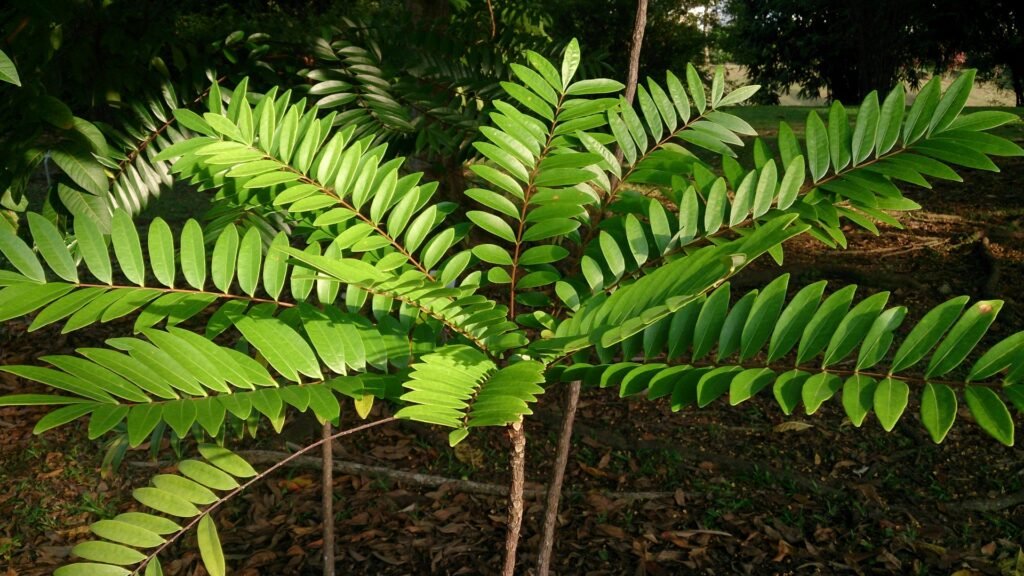
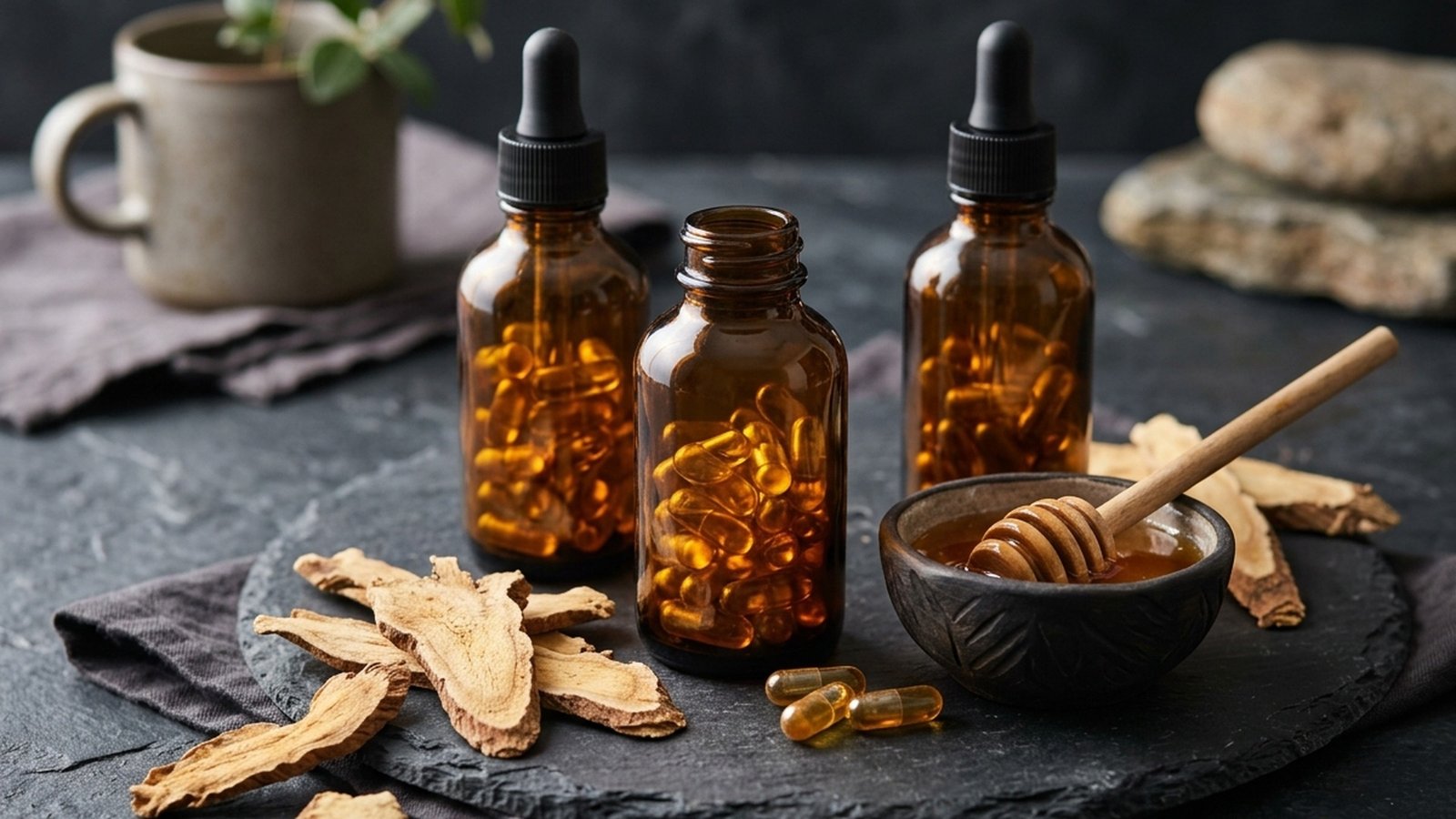
- Standardized Tongkat Ali (Eurycoma longifolia): Proven in dozens of human clinical trials to increase free and total testosterone by stimulating CYP17A1 enzyme activity and suppressing SHBG binding. Discover The Max Health Tongkat Ali.
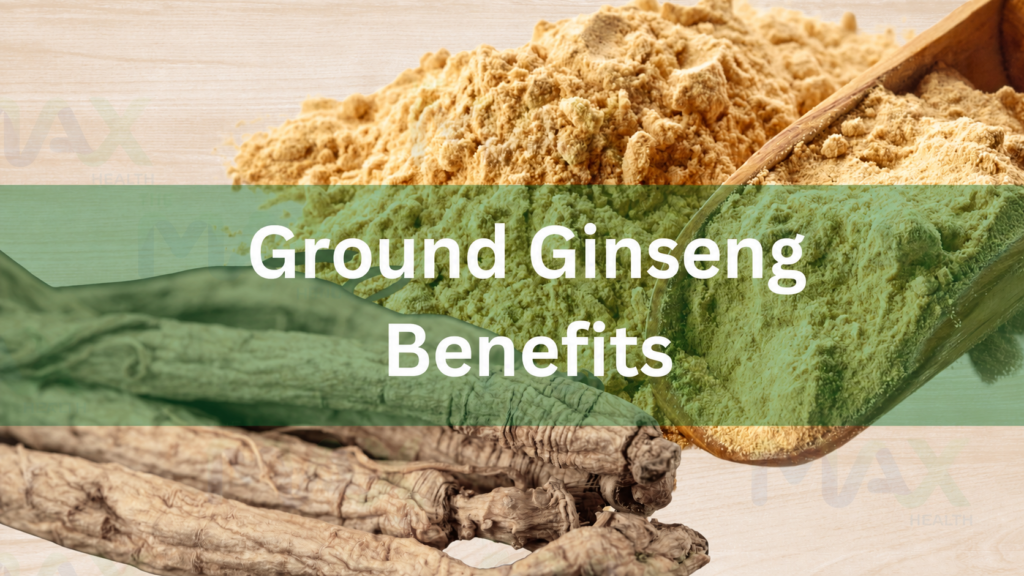
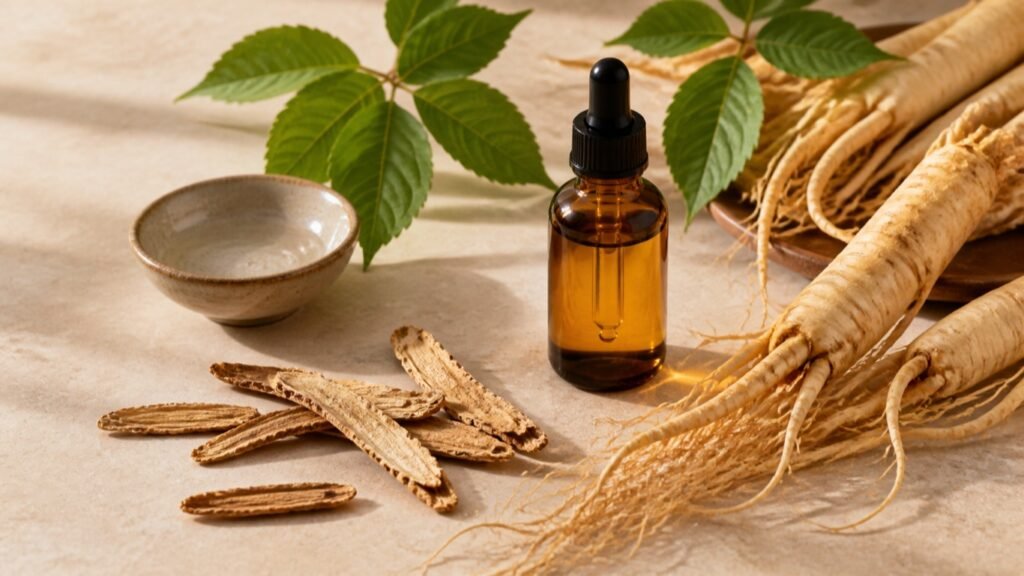
- 6-Year Korean Red Ginseng (Panax ginseng): Enhances endothelial nitric oxide synthesis, reduces adrenal fatigue, improves sperm motility, and supports erectile firmness. Explore The Max Health Korean Red Ginseng.
- Ashwagandha (Withania somnifera – KSM-66): Reduces elevated serum cortisol by up to 28%, preserving the pituitary gland’s ability to release LH and FSH.
7. Step-by-Step 60-Day Testosterone Optimization Plan
- Weeks 1–2 (Foundation & Sleep Synchronization):
- Lock in a strict 8-hour sleep schedule (10:30 PM to 6:30 AM).
- Eliminate seed oils, refined sugars, and alcohol.
- Begin daily morning sunlight exposure (20 minutes).
- Weeks 3–4 (Training & Micronutrient Saturation):
- Implement 3 heavy compound lifting sessions per week.
- Add Vitamin D3 (4,000 IU) + K2 (100 mcg), Zinc Glycinate (25 mg), and Magnesium Bisglycinate (400 mg).
- Weeks 5–8 (Adaptogen Integration & Peak Performance):
- Incorporate standardized Tongkat Ali (200–400 mg daily) and 6-Year Korean Red Ginseng (1,000–2,000 mg daily).
- Reassess energy levels, morning erection frequency, and strength PRs.
8. Frequently Asked Questions (FAQ)
Q1: What are the normal healthy testosterone reference ranges for adult men?
Total testosterone typically ranges between 300 to 1,000 ng/dL (10.4 to 34.7 nmol/L), with optimal vibrant health often found between 600 to 850 ng/dL. Free testosterone should ideally sit between 15 to 25 pg/mL (or 2% of total testosterone). Blood tests must be drawn between 7:00 AM and 10:00 AM in a fasted state.
Q2: What is the single fastest way to raise testosterone naturally?
Correcting acute sleep deprivation (moving from 5 hours to 8 hours of deep sleep) and lifting heavy compound weights produces measurable spikes in morning testosterone within 48 to 72 hours.
Q3: Does body fat percentage directly impact testosterone?
Yes. Visceral adipose tissue produces high concentrations of the aromatase enzyme, which actively converts testosterone into estradiol (estrogen). Reducing body fat to a lean 12%–15% range dramatically boosts endogenous testosterone and lowers circulating estrogen.
Q4: How does Tongkat Ali specifically boost free testosterone?
Tongkat Ali contains eurycomanone, a quassinoid compound that inhibits the binding of testosterone to SHBG. By freeing bound testosterone into its bioavailable state and stimulating the CYP17A1 enzyme in Leydig cells, it naturally elevates functional androgen levels.
Q5: Is synthetic TRT better than natural optimization?
TRT is essential for men with permanent organic hypogonadism (e.g., testicular trauma, genetic Klinefelter syndrome). However, for men with lifestyle-induced low testosterone, natural optimization is far superior because it preserves fertility, prevents testicular shrinkage, and avoids lifelong pharmaceutical dependence.
Q6: Does masturbation or frequent ejaculation lower testosterone?
No. Studies show that ejaculation causes only a transient fluctuation in serum testosterone that returns to baseline within hours. However, chronic excessive pornography consumption can desensitize dopamine receptors, impairing central arousal pathways.
Q7: Which exercises are most effective for testosterone release?
Barbell squats, deadlifts, bent-over rows, bench presses, and heavy weighted carries recruit the greatest muscle mass, triggering maximal post-exercise acute endocrine surges.
Q8: Can chronic psychological stress cause low testosterone?
Yes. Cortisol and testosterone share an inverse relationship. Cortisol directly blocks GnRH release in the hypothalamus and inhibits Leydig cell sensitivity to LH, suppressing testosterone synthesis at every level of the HPG axis.
Q9: How long does it take for a natural protocol to show full results?
Subjective improvements in energy, mood, and morning erections appear within 2 to 4 weeks. Measurable shifts in serum blood levels, body composition, and muscle density typically peak between 8 to 12 weeks of consistent lifestyle adherence.
Q10: What natural supplement combination provides the best hormonal synergy?
A premier daily stack combines standardized Tongkat Ali (for free testosterone and SHBG modulation), 6-Year Korean Red Ginseng (for nitric oxide and physical stamina), Vitamin D3+K2, and Magnesium Bisglycinate.
9. Scientific References & Clinical Studies
- Phytotherapy Research (2021): Eurycoma longifolia (Tongkat Ali) and Panax ginseng: Evidence-Based Herbal Therapeutics for Male Sexual Function and Vitality. PMID: 33544312.
- Journal of Clinical Endocrinology & Metabolism (2020): Sleep Restriction and Endocrine Disruptions: Effects on Testosterone, Cortisol, and Metabolic Function in Young Men. PMID: 32982736.
- Journal of Ginseng Research (2020): Panax ginseng and Vascular Health: Synergistic Effects of Ginsenosides and Nitric Oxide Pathways on Erectile Function. PMID: 32256157.
- Hormone and Metabolic Research (2019): Effect of Vitamin D Supplementation on Testosterone Levels in Men: A Randomized Controlled Trial. PMID: 21154195.
- Sports Medicine (2018): Endocrine Responses to High-Intensity Resistance Exercise: Acute and Chronic Adaptations in Men. PMID: 29729014.