Navigating the world of Korean Ginseng requires understanding a strict hierarchy of agricultural maturity, rigorous governmental quality grading, geographic microclimates, and specialized thermal processing methods. True Panax ginseng cultivated in the Korean peninsula is globally recognized as the gold standard of adaptogenic herbal medicine, possessing over 32 distinct ginsenosides that support vascular dilation, cellular ATP energy, immune modulation, and cognitive resilience.
👑 The 6-Year Rule: Unlike agricultural crops that reach peak potency in months, Panax ginseng requires exactly 6 full years in mineral-dense soil to develop its complete therapeutic profile. At year 6, the root achieves maximum structural density and ginsenoside concentration. If left beyond year 6, the root tissues become woody and susceptible to internal rot (PMID: 23717168).
The 4 Major Processing Categories of Korean Ginseng
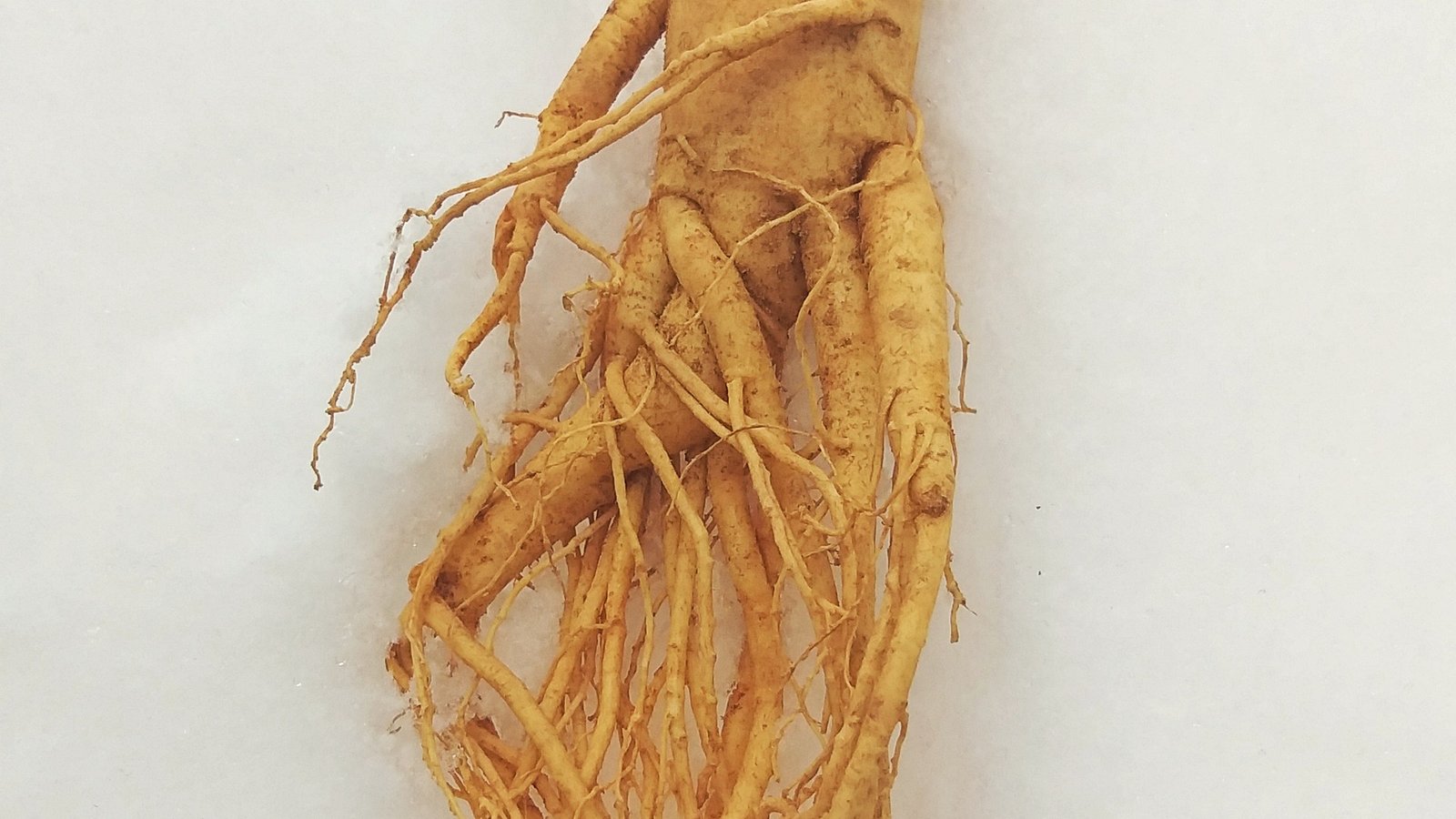
Figure 1: Mature 6-year-old Panax ginseng fresh root harvested with intact taproot and delicate lateral rootlets.
1. Fresh Ginseng (Susam, 수삼)
Raw, unprocessed root directly harvested from the soil, retaining 70–75% natural moisture content. Because it is highly perishable, Susam is primarily consumed in traditional Korean culinary dishes (such as Samgyetang chicken soup) or freshly juiced with milk and honey.
2. White Ginseng (Baeksam, 백삼)
Four-to-six-year-old fresh roots that have been peeled and naturally sun-dried without hydrothermal steaming, reducing moisture to under 14%. It contains native primary ginsenosides (Rb1, Rg1) and possesses mild adaptogenic properties with a neutral-to-cooling thermal profile.
3. Red Ginseng (Hongsam, 홍삼) — The Pharmacological Peak
Six-year-old mature roots that undergo specialized repeated hydrothermal steaming (at 95°C–100°C) followed by natural sun-curing. This thermal process caramelizes natural sugars, turns the root a deep reddish-amber, and fundamentally transforms primary ginsenosides into concentrated secondary ginsenosides (Rg3, Rh1, Rh2, compound K) with enhanced bioavailability and potent vasodilatory properties (PMID: 12605613).
4. Black Ginseng (Heuksam, 흑삼)
Roots subjected to nine cycles of repeated steaming and drying (“Gugujeungpo”). While rich in ginsenosides Rg3 and Rk1, excessive overheating risks producing polycyclic aromatic hydrocarbons if not strictly controlled. Standard Korean Red Ginseng remains the undisputed clinical benchmark.
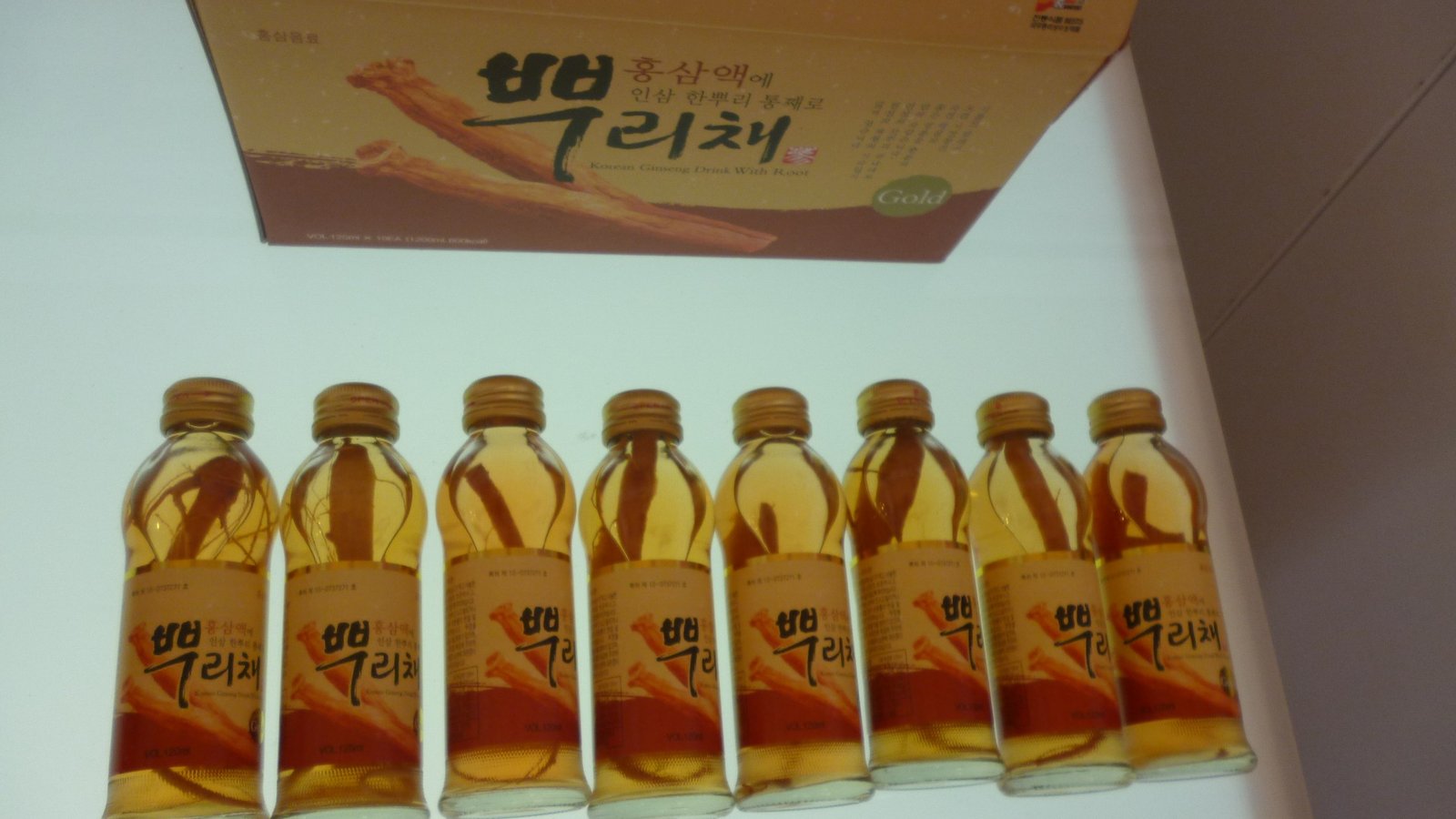
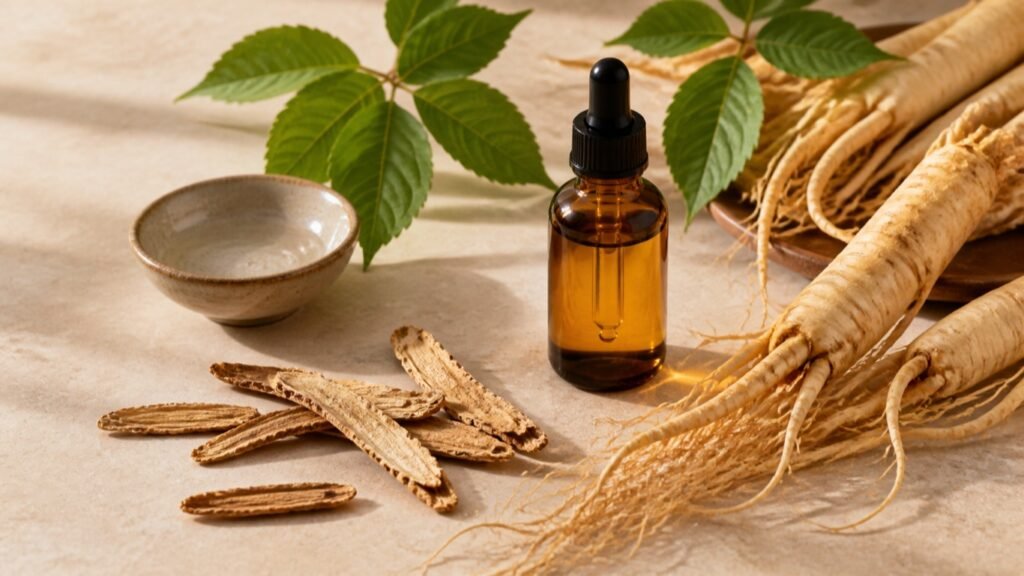
Figure 2: Cured 6-year Korean Red Ginseng from Geumsan, exhibiting characteristic reddish-amber translucence and dense core fibers.
Official Korean Red Ginseng Quality Grading Hierarchy
The Korean government and agricultural inspection boards grade processed whole Hongsam roots into 4 strict quality tiers based on internal tissue density, symmetry, and surface perfection:
| Official Grade | Harvest Percentage | Structural & Anatomical Characteristics | Ginsenoside Density |
|---|---|---|---|
| Heaven Grade (Cheonsam, 천삼) | Top 0.5% | Perfect human-like anthropomorphic shape, zero internal cracks (naegong), zero hollow core (naeguk), uniform ruby-amber color | Highest pharmacological potency ($Rg3 + Rh2$) |
| Earth Grade (Jisam, 지삼) | Top 2–5% | Excellent symmetry, negligible internal micro-pores ($<10\%$), dense and firm root structure | Extremely high potency; premium clinical choice |
| Good Grade (Yangsam, 양삼) | Approx. 10–15% | Slightly irregular root branches, minor internal hollows, excellent exterior skin | High therapeutic value; optimal cost-to-benefit ratio |
| Cut / Tail Grade (Salsam / Misam) | Remaining harvest | Sliced roots, broken taproots, and fine lateral rootlets (misam) | Standardized for liquid extracts, teas, and capsules |
Experience Certified 6-Year Korean Red Ginseng
Elevate your daily vitality with authentic 6-year Geumsan Panax ginseng extract—verified for clinical concentrations of therapeutic secondary ginsenosides Rg3 and Rh2.
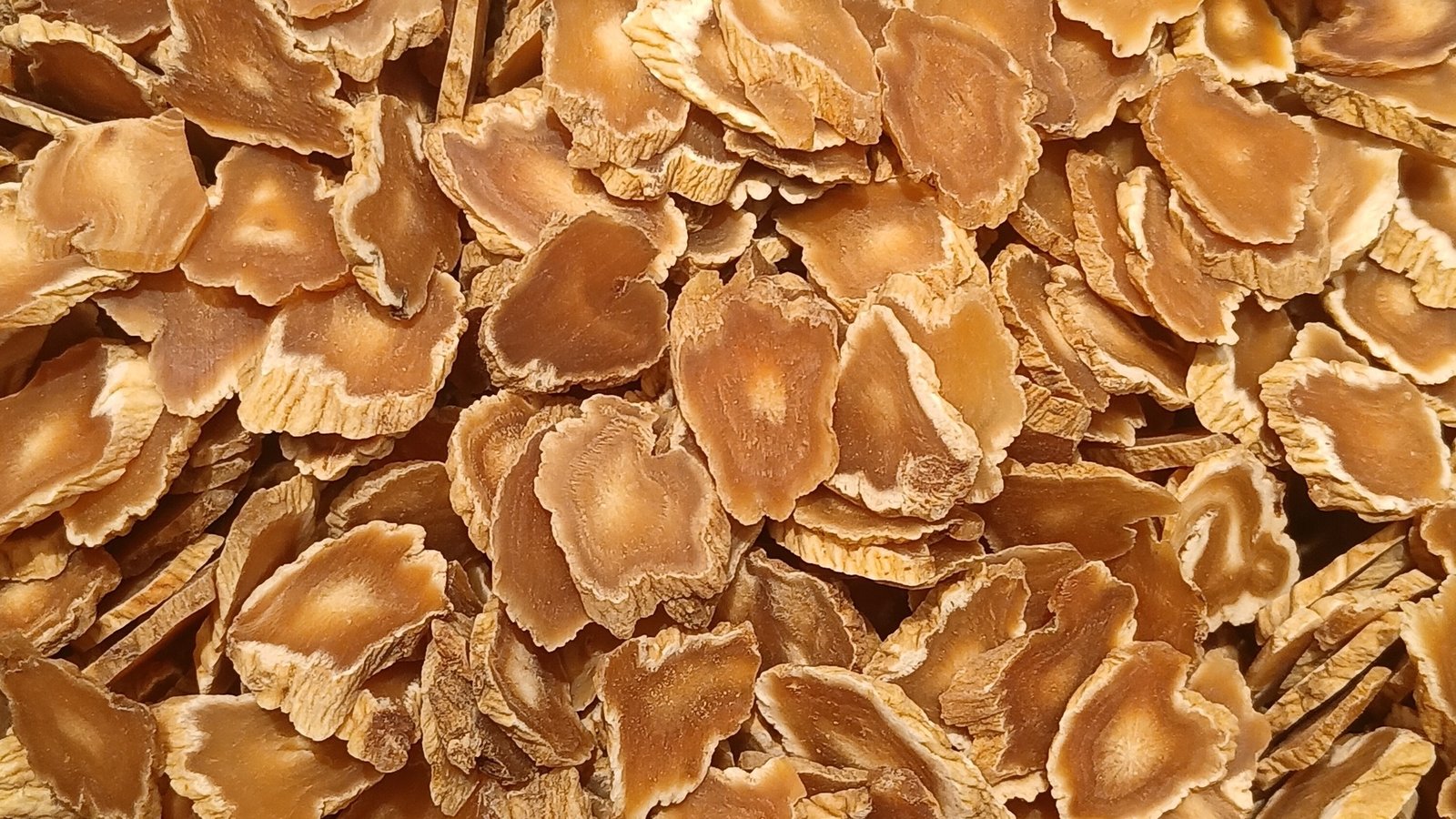
Figure 3: Korean peninsula geographic terroir provides distinct diurnal temperature shifts and nutrient-rich soil unmatched by regional imitators.
Geographic Terroir: Why Geumsan & Punggi Produce the World’s Best Ginseng
Just as fine wine depends on terroir, the quality of Korean Ginseng is defined by the unique geology and climate of South Korea’s mountainous regions:
- Geumsan (금산): Known as the capital of Korean ginseng, Geumsan features nutrient-dense granite-loam soil, clear mountain runoff, and extreme diurnal temperature variations (hot days, cool nights). This microclimate forces the ginseng plant to store dense carbohydrates and synthesize high concentrations of adaptogenic ginsenosides.
- Punggi (풍기): Situated near Sobaeksan National Park, Punggi has been cultivating imperial-grade ginseng since 1541. Its high elevation produces roots with dense, resilient woody fibers and an intensely aromatic bouquet.
- Government Certification & Traceability: Authentic South Korean ginseng is strictly tracked by agricultural cooperatives (NACF) with certificates of origin guaranteeing zero toxic heavy metals and verified 6-year cultivation cycles.
Pair Korean Ginseng with Pure Malaysian Tongkat Ali
Maximize your masculine vitality, stamina, and free testosterone output with 100% pure standardized wild-harvested Malaysian Tongkat Ali root extract.
Frequently Asked Questions (FAQs)
1. Why is 6-year-old Korean Red Ginseng considered the absolute best?
At 6 years, Panax ginseng achieves peak rhizome density and synthesizes its maximum variety of ginsenosides (over 32 types). Steaming at this maturity stage creates rare secondary ginsenosides (Rg3, Rh1, Rh2) that deliver superior vasodilatory, cognitive, and immune benefits.
2. What is the difference between Heaven Grade and Earth Grade ginseng?
Heaven Grade (Cheonsam) represents the top 0.5% of the harvest with zero internal cracks or hollows and a flawless human-like shape. Earth Grade (Jisam) represents the top 2–5% with virtually identical ginsenoside potency but minor cosmetic differences, offering exceptional value.
3. How does Korean Red Ginseng differ from American Ginseng?
Korean Red Ginseng is warm and energizing, stimulating nitric oxide vasodilation, cellular ATP stamina, and physical vigor. American Ginseng (Panax quinquefolius) has a cooling thermal profile that soothes the nervous system, lowers stress, and calms heat.
4. Which product format is best: Extract paste, capsules, or whole roots?
Concentrated 100% pure extract paste offers the highest ginsenoside concentration per gram and rapid bioavailability. Capsules offer convenience for travel, while whole root slices are ideal for traditional slow tea decoctions.
5. What active compound markers should I look for on the label?
Ensure the label states the combined sum of Ginsenosides Rg1 + Rb1 + Rg3. A high-potency clinical extract typically contains at least 4 mg/g to 8 mg/g of total ginsenosides.
6. Is Black Ginseng better than Red Ginseng?
While Black Ginseng contains higher levels of ginsenoside Rg3 due to 9 cycles of steaming, excessive heat can degrade other beneficial polysaccharides. Korean Red Ginseng provides the most balanced, well-researched clinical safety profile.
7. Why does genuine Korean ginseng cost more than Chinese ginseng?
South Korean ginseng adheres to strict 6-year cultivation cycles, soil remediation standards, and government testing protocols. Much of cheap commercial Chinese ginseng is harvested at 2–3 years with significantly lower bioactive potency.
8. Can I take Korean Red Ginseng every day?
Yes. Standard daily doses of 1,000 mg to 2,000 mg are safe for long-term health maintenance. Herbalists recommend an 8-week on / 2-week off cycle to maintain peak receptor sensitivity.
9. Does Korean Red Ginseng raise blood pressure?
In healthy individuals, red ginseng actually promotes vascular relaxation via nitric oxide. However, individuals with severe uncontrolled hypertension should monitor blood pressure and start with diluted doses.
10. How should authentic ginseng products be stored?
Store in a cool, dry place away from direct sunlight. Once an extract jar is opened, refrigerate tightly sealed to prevent moisture absorption and preserve delicate bioactive saponins.
Conclusion: Choosing Pure Korean Ginseng for Peak Vitality
Understanding the nuances of Korean Ginseng varieties—from 6-year agricultural maturity and Geumsan mountain terroir to the hydrothermal synthesis of secondary ginsenosides Rg3 and Rh2—ensures you select the highest-potency botanical medicine. Investing in certified 6-year Korean Red Ginseng guarantees unmatched vascular vitality, cellular stamina, and lifelong physical resilience.