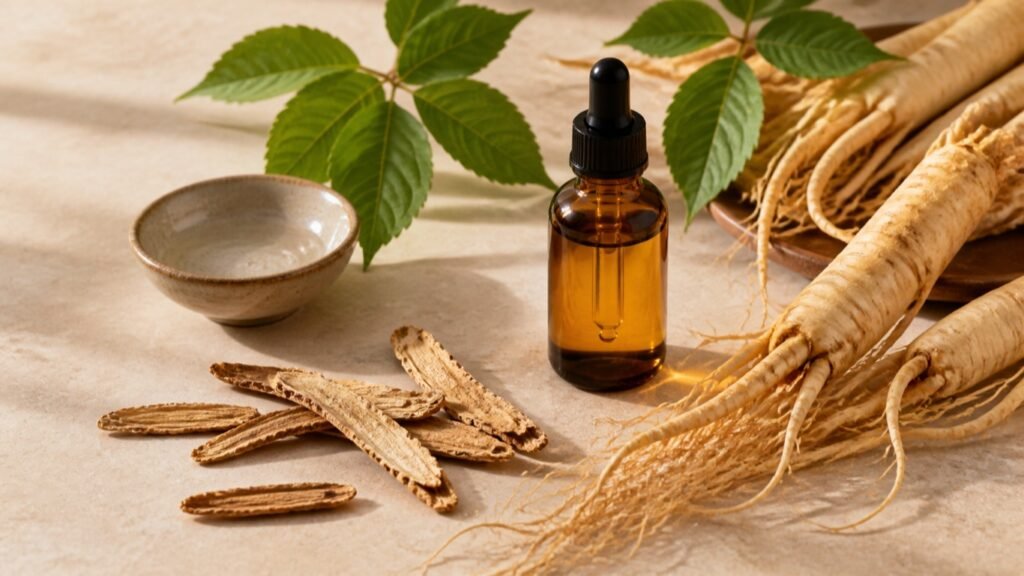
Thinning hair, progressive follicle miniaturization, sluggish regrowth, and chronic scalp inflammation affect millions of men and women worldwide. While synthetic hair loss treatments frequently carry unwanted hormonal side effects or systemic dependency, Korean Red Ginseng (Panax ginseng) has emerged as one of the most rigorously validated botanical therapeutics in trichology. Rich in unique bioactive triterpene saponins known as ginsenosides, ginseng addresses the root cellular and biological causes of hair loss: dermal papilla cell senescence, 5-alpha reductase DHT conversion, microvascular insufficiency, and oxidative scalp stress.
Whether applied topically through scalp ampoules, tonics, and hair oils or taken orally as a standardized botanical extract, Korean red ginseng creates an optimal physiological environment for thick, resilient, and lustrous hair growth.
Key Trichological Findings & Clinical Highlights
- Dermal Papilla Cell Proliferation: Ginsenosides (notably Rb1, Rg1, and Rg3) stimulate human dermal papilla cells (hDPCs) via the Wnt/β-catenin and VEGF signaling pathways, extending the active anagen (growth) phase and delaying premature catagen transition (PMID: 26038676).
- Natural 5-Alpha Reductase Inhibition: Ginseng extract downregulates type II 5α-reductase enzyme activity, mitigating dihydrotestosterone (DHT) binding to androgen receptors in genetically susceptible hair follicles.
- Microcirculatory Capillary Expansion: Enhances vascular endothelial nitric oxide synthesis in the subfollicular capillary loop, delivering a surge of oxygen, amino acids, and micronutrients directly to the hair bulb.
- Cortisol-Induced Shedding Defense: As an adaptogen, oral red ginseng suppresses systemic cortisol spikes, preventing stress-induced telogen effluvium.
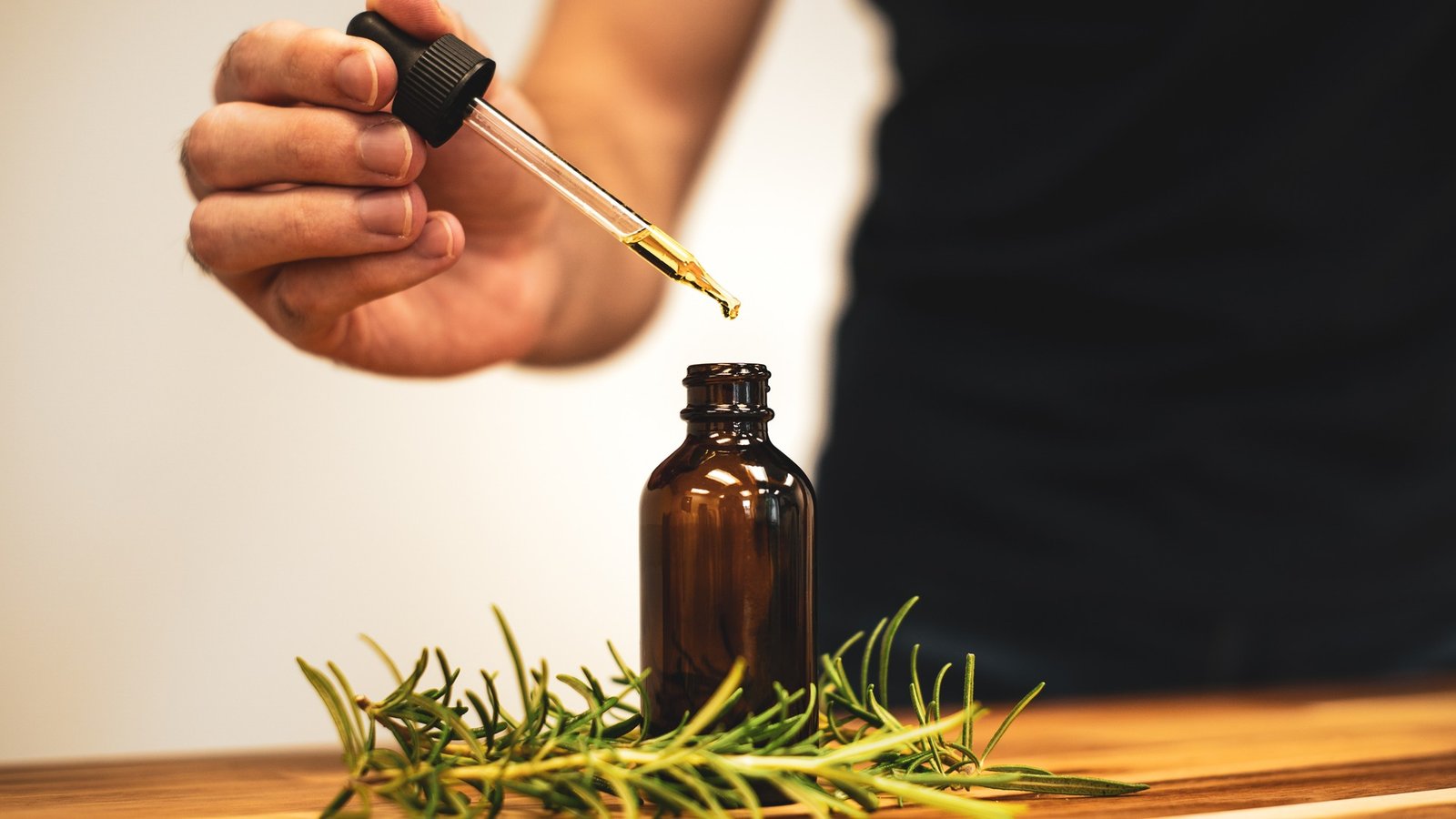
Table of Contents
- The Biology of Hair Growth: How Ginseng Re-Engineers the Follicular Cycle
- Top Evidence-Based Hair Benefits of Korean Red Ginseng
- Prolonging the Anagen Growth Phase
- Blocking DHT & Combating Androgenetic Alopecia
- Subfollicular Microcirculation & Capillary Perfusion
- Strengthening Keratin Cuticles & Preventing Breakage
- Scalp Microbiome Balancing & Dandruff Reduction
- Reversing Stress-Induced Telogen Effluvium
- Selecting the Right Ginseng for Hair: Korean Red vs. White vs. American
- Topical Scalp Formulations vs. Oral Adaptogens: The Dual-Action Strategy
- The 8-Week Clinical Scalp Protocol for Noticeable Hair Density
- Synergistic Pairings: Combining Ginseng with Rosemary, Biotin & Peptides
- Safety Profile, Color-Treated Hair Suitability & Scalp Tolerance
- Frequently Asked Questions (FAQ)
The Biology of Hair Growth: How Ginseng Re-Engineers the Follicular Cycle
Each human hair follicle is a dynamic, mini-organ that cycles continuously through three primary phases:
- Anagen (Active Growth Phase): Lasts 2 to 7 years. Dermal papilla cells continuously divide to produce keratinized hair shaft fibers.
- Catagen (Transitional Regression Phase): Lasts 2 to 3 weeks. Follicles detach from dermal blood supply and shrink.
- Telogen (Resting & Shedding Phase): Lasts 2 to 4 months. The old hair is released, and the follicle rests before restarting anagen.
In individuals experiencing hair thinning or genetic pattern loss, the anagen phase becomes progressively shorter while the telogen phase lengthens, leading to follicular miniaturization (hair shafts becoming thinner, shorter, and virtually invisible). Ginsenosides act directly on the molecular switches of this cycle:
- Upregulating Vascular Endothelial Growth Factor (VEGF): Ginsenosides stimulate VEGF expression in dermal papilla cells, signaling the formation of new microvessels around dormant follicles.
- Activating Wnt/β-Catenin Pathway: This critical genetic pathway instructs stem cells in the hair follicle bulge to differentiate and enter anagen.
- Inhibiting Apoptotic Pathways: Ginseng prevents premature programmed cell death (apoptosis) in follicular keratinocytes, keeping hairs anchored in the scalp for longer periods.
Top Evidence-Based Hair Benefits of Korean Red Ginseng
1. Prolonging the Anagen Growth Phase
Clinical studies conducted in dermatology centers across South Korea demonstrated that subjects applying a standardized Panax ginseng extract experienced a statistically significant increase in the ratio of anagen-to-telogen hairs. By delaying catagen transition, individual hair strands remain actively growing for extra months or years, dramatically increasing overall hair volume and thickness.
2. Blocking DHT & Combating Androgenetic Alopecia
Androgenetic alopecia (male and female pattern hair loss) is driven by the androgenic conversion of testosterone into dihydrotestosterone (DHT) via the 5-alpha reductase enzyme. DHT binds to androgen receptors in hair follicles, constricting blood flow and suffocating the hair bulb. Research confirms that ginsenoside Ro and red ginseng polyphenols naturally inhibit 5α-reductase activity, reducing localized DHT accumulation on the scalp without the systemic endocrine side effects associated with synthetic pharmaceutical inhibitors (PMID: 25114442).
3. Subfollicular Microcirculation & Capillary Perfusion
A poorly vascularized scalp starves hair roots of oxygen and essential minerals. Ginsenosides enhance endothelial nitric oxide (eNOS) production, dilating the intricate network of microcapillaries surrounding each hair follicle. This localized hyper-perfusion delivers glucose, sulfur-bearing amino acids (cysteine, methionine), and zinc directly to the rapidly dividing matrix cells.
4. Strengthening Keratin Cuticles & Preventing Breakage
Beyond the scalp, ginseng polysaccharides, saponins, and oligopeptides interact with the hair shaft itself. When applied topically, ginseng components penetrate micro-fractures in the hair cuticle, sealing in moisture and creating a protective shield against heat styling, UV radiation, and mechanical friction. This significantly improves tensile strength and elasticity, reducing hair breakage.
5. Scalp Microbiome Balancing & Dandruff Reduction
Chronic scalp flaking, itching, and seborrheic dermatitis create an inflamed, toxic follicular environment that accelerates hair shedding. Ginseng possesses natural antimicrobial and anti-fungal properties against Malassezia globosa, the yeast primarily responsible for dandruff. Concurrently, its anti-inflammatory ginsenosides calm pruritus (itching) and restore the acidic sebum barrier (pH 5.5).
6. Reversing Stress-Induced Telogen Effluvium
Severe emotional or physical stress triggers high systemic cortisol levels, which abruptly pushes up to 30% of growing hairs into the resting telogen phase, leading to diffuse shedding 2 to 3 months later. As an adaptogen, oral Korean red ginseng modulates the hypothalamic-pituitary-adrenal (HPA) axis, normalizing cortisol secretion and shielding hair follicles from stress-induced shock.
Revitalize Your Hair Follicles with Authentic Korean Red Ginseng
Healthy, thick hair begins with foundational cellular nutrition. Fuel your scalp, hormonal balance, and vitality with 100% authentic, standardized 6-year-grown Korean Red Ginseng.
Selecting the Right Ginseng for Hair: Korean Red vs. White vs. American
To achieve real trichological results, you must choose the appropriate botanical species and processing method:
| Ginseng Variety | Processing Method | Active Saponin Profile | Trichological Application |
|---|---|---|---|
| Korean Red Ginseng (Panax ginseng) | Steamed & sun-dried 6-year root | High Rg3, Rh2, Rb1, Ro | Maximum follicular regrowth, DHT suppression, anagen lengthening |
| Fermented Red Ginseng | Enzymatic bio-fermentation | Compound K, low molecular ginsenosides | Ultra-deep scalp penetration, rapid calming of inflamed follicles |
| White Ginseng | Sun-dried without steam processing | Ginsenosides Rb1, Rg1 | Daily scalp hydration, mild shine enhancement |
| American Ginseng (Panax quinquefolius) | Air-dried native root | High Rb1, low Rg1 | Soothing hot, itchy scalps and sunburned follicular areas |
Topical Scalp Formulations vs. Oral Adaptogens: The Dual-Action Strategy
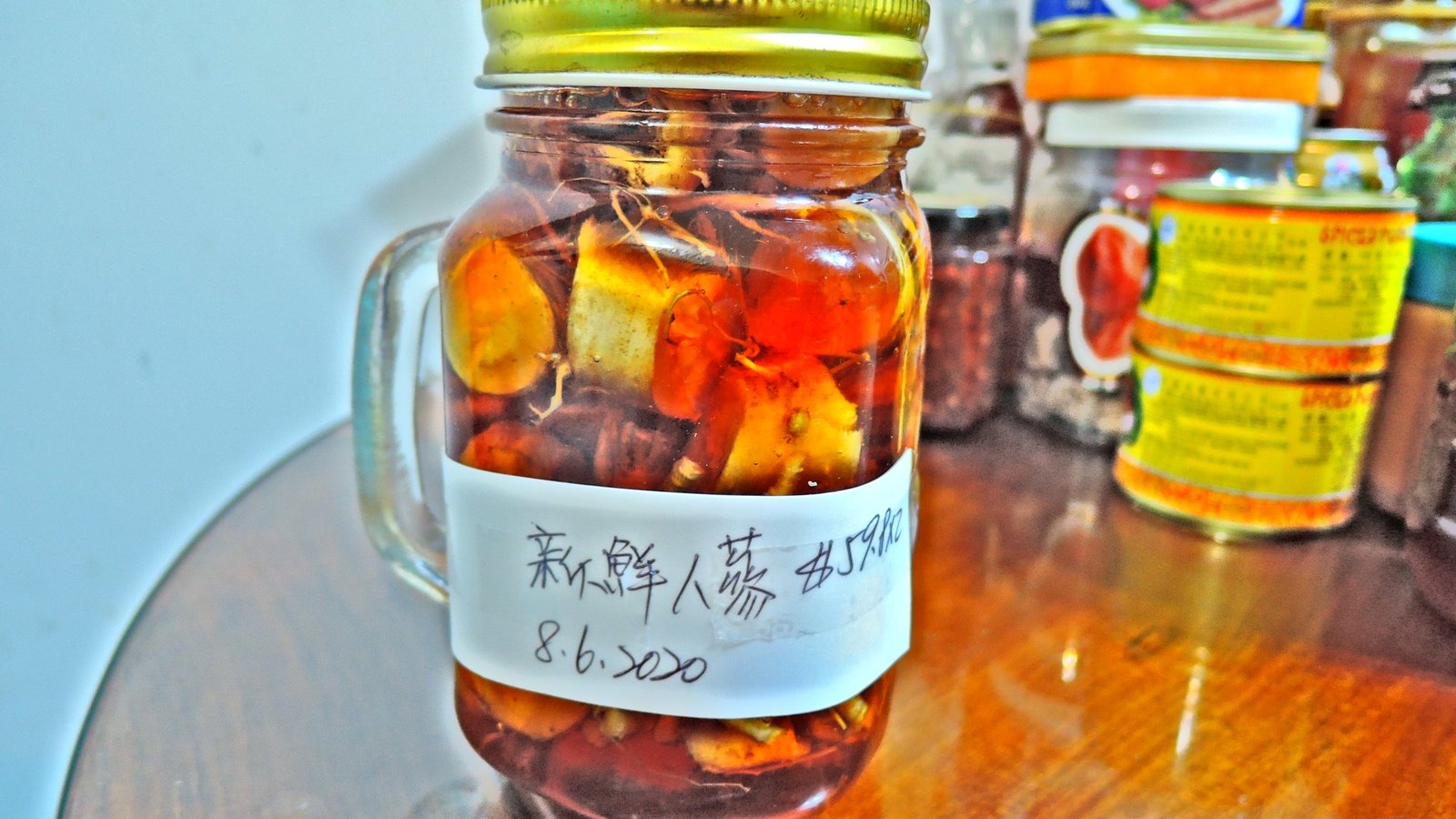
Leading trichologists recommend an integrated Inside-Out Strategy to maximize hair density:
- Topical Route (Direct Follicular Infusion): Using a leave-on ginseng scalp tonic or serum delivers high localized concentrations of ginsenosides directly into the follicular pore. This immediately downregulates local 5-alpha reductase, cleanses oxidized sebum, and stimulates the microcapillary network around each follicle.
- Oral Route (Systemic Vascular & Hormonal Support): Taking standardized Korean red ginseng extract internally optimizes systemic blood circulation, regulates adrenal stress hormones (cortisol), enhances cellular energy (ATP), and delivers systemic antioxidant protection to rapidly dividing hair matrix cells.
Clinical Recommendation: Combining a daily morning oral dose of standardized Korean red ginseng with a targeted evening leave-on scalp serum yields significantly faster and denser regrowth than either method used in isolation.
The 8-Week Clinical Scalp Protocol for Noticeable Hair Density
Phase 1: Follicular Detox & Scalp Priming (Weeks 1–2)
- Gentle Scalp Exfoliation: Use a sulfate-free clarifying shampoo containing ginseng extract twice weekly to remove sebum plugs and product buildup.
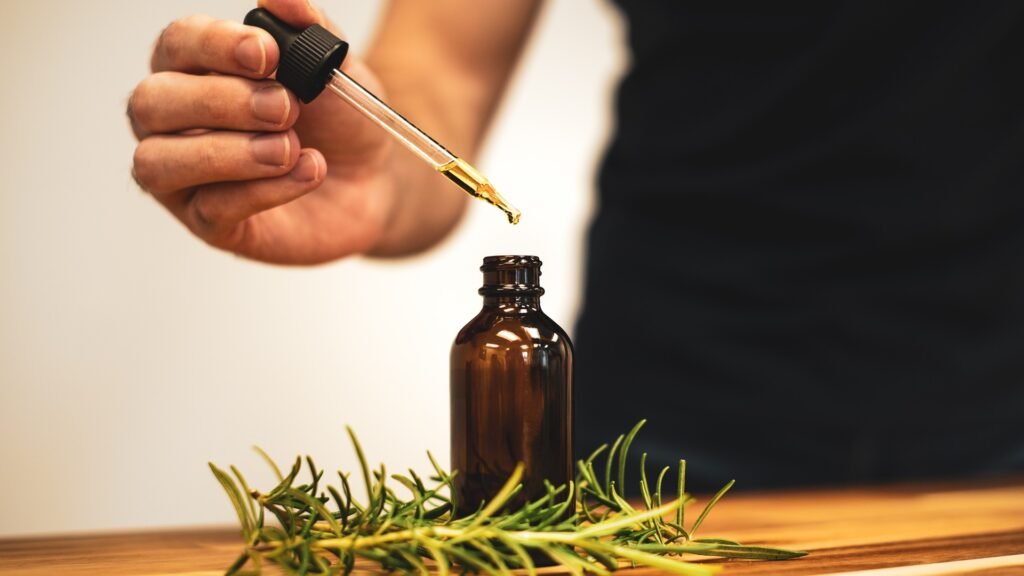
- Nightly Scalp Application: Apply 1 to 2 ml of a lightweight, watery red ginseng scalp serum across thinning areas (crown, hairline, parting).
- Scalp Massage: Perform a 4-minute circular fingertip massage to enhance capillary vasodilation and product absorption.
Phase 2: Cellular Proliferation & Anagen Extension (Weeks 3–5)
- Dual-Action Ingestion: Continue nightly topical serum while introducing 1,000 to 2,000 mg of standardized Korean Red Ginseng extract daily after breakfast.
- Targeted Microneedling (Optional): Use a 0.5 mm dermaroller once weekly on clean scalp before applying ginseng serum to enhance transepidermal bioavailability.
- Observation: Hair shedding noticeably decreases during washing and brushing.
Phase 3: Visible Density & Cuticle Fortification (Weeks 6–8)
- New Baby Hair Emergence: Fine vellus hairs in thinning regions transition into pigmented terminal hairs.
- Conditioning Treatment: Apply a ginseng-infused nourishing mask or botanical oil once weekly to lengths and ends to lock in tensile strength.
- Long-Term Maintenance: Maintain the routine 3 to 4 times weekly for sustained, permanent hair vitality.
Synergistic Pairings: Combining Ginseng with Active Ingredients
Maximize your trichological results by combining ginseng with complementary hair-growth actives:
- Ginseng + Rosemary Essential Oil (1%–2% in Jojoba): Clinical trials show rosemary oil matches 2% minoxidil in promoting hair regrowth without scalp pruritus. Paired with ginseng, it creates an unbeatable natural microcirculatory powerhouse.
- Ginseng + Biotin & Zinc: Biotin provides the enzymatic cofactor for keratin production, while zinc maintains sebaceous gland health and prevents follicle regression.
- Ginseng + Copper Tripeptide-1 (GHK-Cu): Copper peptides enlarge follicle size and stimulate collagen synthesis around the follicular sheath, while ginsenosides fuel the energy required for rapid matrix cell division.
- Ginseng + Niacinamide (Vitamin B3): Niacinamide improves scalp barrier lipids and enhances microvascular elasticity, maximizing the absorption of active ginsenosides.
Safety Profile, Color-Treated Hair Suitability & Scalp Tolerance
Korean Red Ginseng is exceptionally gentle and well-tolerated across all hair and scalp types:
- Color-Treated & Chemically Processed Hair: Ginseng extract does not strip artificial pigments or alter hair dyes. In fact, its antioxidant polyphenols protect colored hair against UV-induced fading and oxidative discoloration.
- Sensitive & Oily Scalps: Water-based ginseng essences and tonics are non-greasy, non-comedogenic, and rapidly absorbed without leaving heavy residues that weigh down fine hair.
- Patch Testing: When using a new concentrated botanical serum, apply a few drops behind the ear for 24 hours to confirm the absence of rare botanical sensitivities.
Frequently Asked Questions (FAQ)
1. How long does it take to see visible hair growth results with ginseng?
Most individuals notice a significant reduction in daily hair shedding within 2 to 4 weeks of consistent daily application. Visible emergence of new baby hairs (vellus hair transformation) and increased hair shaft thickness typically become apparent between 8 and 12 weeks, corresponding to the natural biological hair growth cycle.
2. Can Korean red ginseng help regrow hair in genetic male pattern baldness?
Yes. Korean red ginseng contains bioactive ginsenosides (such as Rg3 and Ro) that naturally inhibit the 5-alpha reductase enzyme responsible for converting testosterone into hair-miniaturizing DHT. While it cannot revive completely scarred-over follicles, it significantly thickens thinning hairs, revitalizes dormant follicles, and slows down progressive androgenetic alopecia.
3. Is it better to apply ginseng serum to wet or dry scalp?
Water-based ginseng serums and tonics are most effectively absorbed when applied to a clean, slightly damp or dry scalp. Ensure you part your hair to apply the dropper directly onto the scalp skin rather than the hair strands, followed by a gentle 3-minute circular massage to facilitate trans-follicular penetration.
4. Will ginseng make my scalp greasy or oily?
No. High-quality ginseng scalp serums, tonics, and ampoules are formulated on aqueous or light alcohol-free botanical bases that absorb completely without leaving oily residues. Furthermore, ginseng’s adaptogenic properties help regulate overactive sebaceous glands, reducing greasy buildup throughout the day.
5. Does oral ginseng tea or extract benefit hair as much as a topical serum?
Oral consumption works systemically: it lowers stress-induced cortisol, enhances overall vascular microcirculation, and delivers amino acids to the hair matrix from within. However, topical application delivers a much higher localized concentration of ginsenosides directly to the dermal papilla. Combining both methods provides the ultimate synergistic response.
6. Can women with postpartum or menopause hair loss use ginseng?
Yes. Ginseng is exceptionally beneficial for postpartum and menopausal hair loss. During these transitional stages, sudden drops in estrogen lead to rapid telogen shedding. Ginseng stimulates dermal papilla cell proliferation and supports follicle nourishment regardless of shifting hormone levels.
7. Can I use ginseng scalp serum together with Minoxidil?
Yes. Ginseng and minoxidil work via complementary biological mechanisms (ginseng stimulates Wnt/β-catenin and blocks DHT, while minoxidil acts as a potassium channel opener). Many dermatologists recommend applying minoxidil in the morning and a soothing ginseng botanical serum in the evening to counteract minoxidil-induced scalp dryness and irritation.
8. What is the difference between Korean Red Ginseng and American Ginseng for hair?
Korean Red Ginseng undergoes traditional steaming and drying that generates rare ginsenosides (Rg3, Rh2) with powerful anagen-prolonging and 5-alpha reductase inhibiting properties. American Ginseng contains higher levels of Rb1, which is cooling and excellent for soothing inflamed, sunburned, or sensitive scalps.
9. Does ginseng prevent premature gray hair?
While ginseng cannot alter genetically predetermined graying, its potent phenolic antioxidants and ginsenosides protect follicular melanocytes against oxidative stress and hydrogen peroxide accumulation in the hair bulb, helping delay premature, stress-induced graying.
10. How should I choose a quality ginseng hair care product?
Look for products that clearly list Panax Ginseng Root Extract or Korean Red Ginseng Water near the top of the ingredients list. Avoid formulas loaded with harsh drying alcohols, synthetic sulfates, or artificial parabens that can irritate the delicate scalp microbiome.
Conclusion: Transform Your Hair Density with Korean Red Ginseng
Korean Red Ginseng represents one of the most powerful, evidence-backed botanical solutions for achieving thick, resilient, and lustrous hair. By extending the anagen growth phase, inhibiting DHT, stimulating subfollicular microcapillaries, and shielding follicles from oxidative and emotional stress, it provides comprehensive trichological care from root to tip. Embrace the power of authentic Korean Red Ginseng to revitalize your scalp and unlock lasting hair confidence.