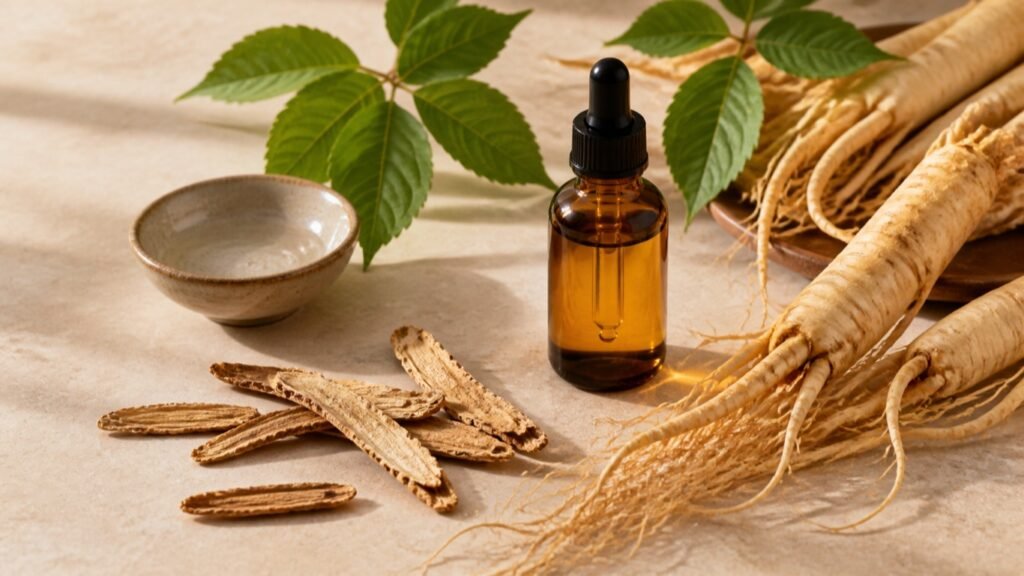
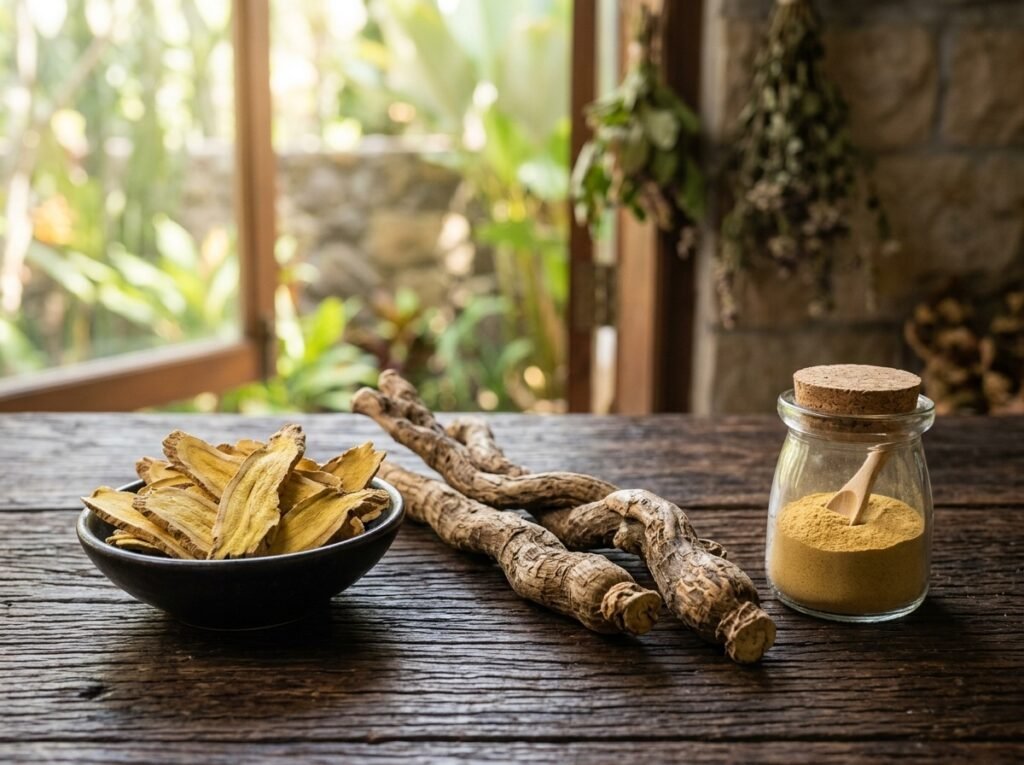
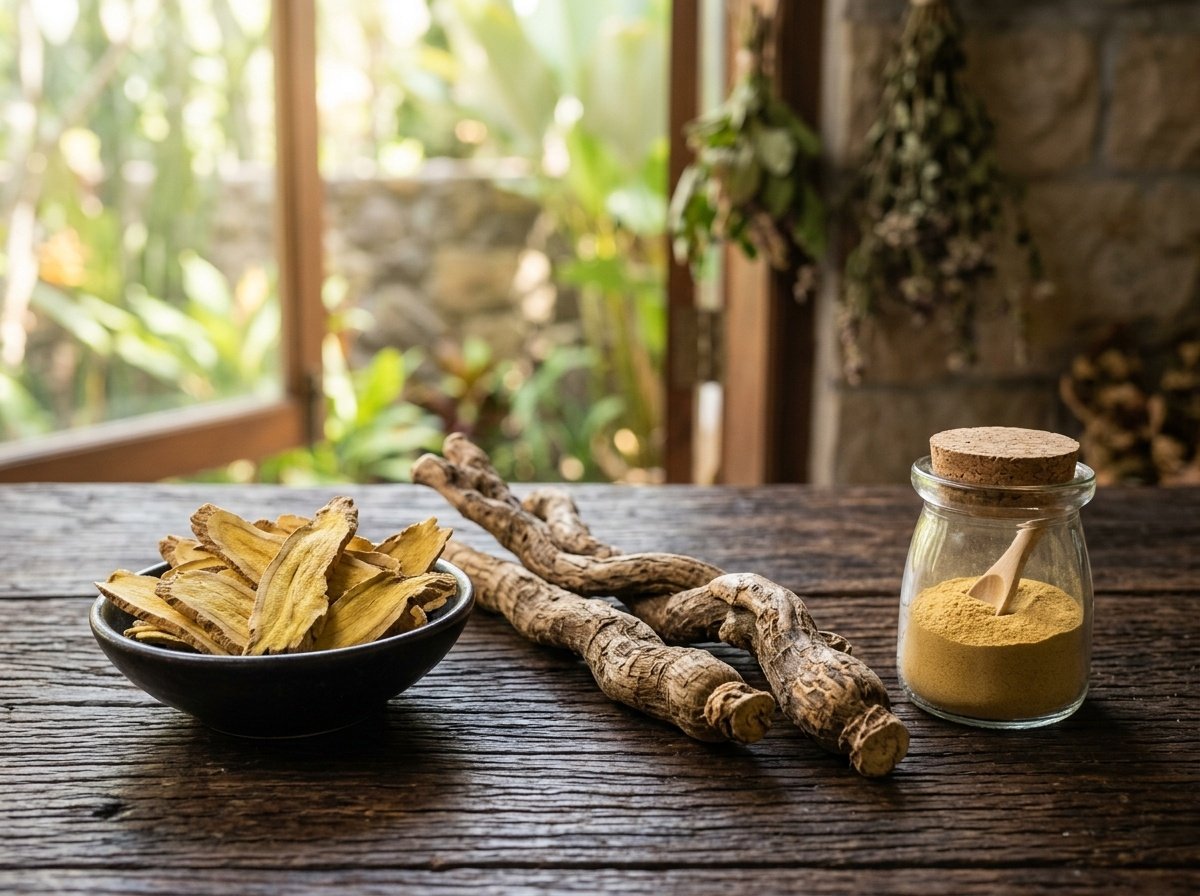
In traditional Malaysian rainforest ethnobotany, the true therapeutic power of Tongkat Ali (Eurycoma longifolia) has always been unlocked through the time-honored art of water decoction (aqueous thermal extraction). Because authentic wild Tongkat Ali root consists of extremely dense, woody lignified taproot fibers, standard tea steeping (pouring hot water over dry pieces) fails to dissolve the root’s prized quassinoids. The primary bioactive compounds—including Eurycomanone, 13alpha-epoxyeurycomanone, eurypeptides, and glycosaponins—are heat-stable, water-soluble phytochemicals that require sustained, controlled boiling to migrate from the woody cell matrix into water. However, unmitigated Tongkat Ali decoctions are famously bitter, earning the root its historic moniker “Bedara Pahit” (Bitter Remedy). In this comprehensive masterclass guide, we provide a step-by-step culinary science protocol for boiling whole and sliced Tongkat Ali roots at home, techniques to soften the bitter palate using botanical synergies (Ceylon cinnamon, ginger, and wild honey), safe daily dosages, and official scientific citations.
Looking for Certified Malaysian Tongkat Ali Roots & Extracts 🌿?
Explore The Max Health Herbal Vitality Hub →1. The Science of Root Decoction: Unlocking Bioactive Eurycomanone
Extracting maximum therapeutic value from dense Tongkat Ali root chips requires adherence to three core extraction principles:
- Thermal Hydro-Extraction: Sustained simmering at 90°C to 98°C breaks down tough hemicellulose root walls, releasing free water-soluble quassinoids.
- Water-to-Root Ratio: The optimal home extraction ratio is 5 to 10 grams of sliced root per 500ml (approx. 2 cups) of pure filtered water, reducing to approximately 250ml of concentrated tea.
- Multi-Boil Reusability: Dense wild root chips can be re-boiled 2 to 3 times before the quassinoid reserves are completely exhausted.
- Bitterness as a Marker of Authenticity: High bitterness directly correlates with eurycomanone concentration; genuine wild Tongkat Ali should always possess a sharp, distinct bitter note.
2. Step-by-Step Home Decoction Protocol
- Step 1 (Rinse): Lightly rinse 5 to 7 grams (3–5 thin root slices) under cold water to remove any surface dust.
- Step 2 (Simmer): Place the root slices in a ceramic, glass, or stainless steel pot with 500ml of filtered water. Bring to a rolling boil, then immediately reduce to low heat.
- Step 3 (Extraction): Simmer uncovered on gentle low heat for 15 to 20 minutes until the liquid turns a rich amber-gold hue and reduces by half.
- Step 4 (Strain & Serve): Pour through a fine mesh strainer into a mug. Allow to cool to warm drinking temperature.
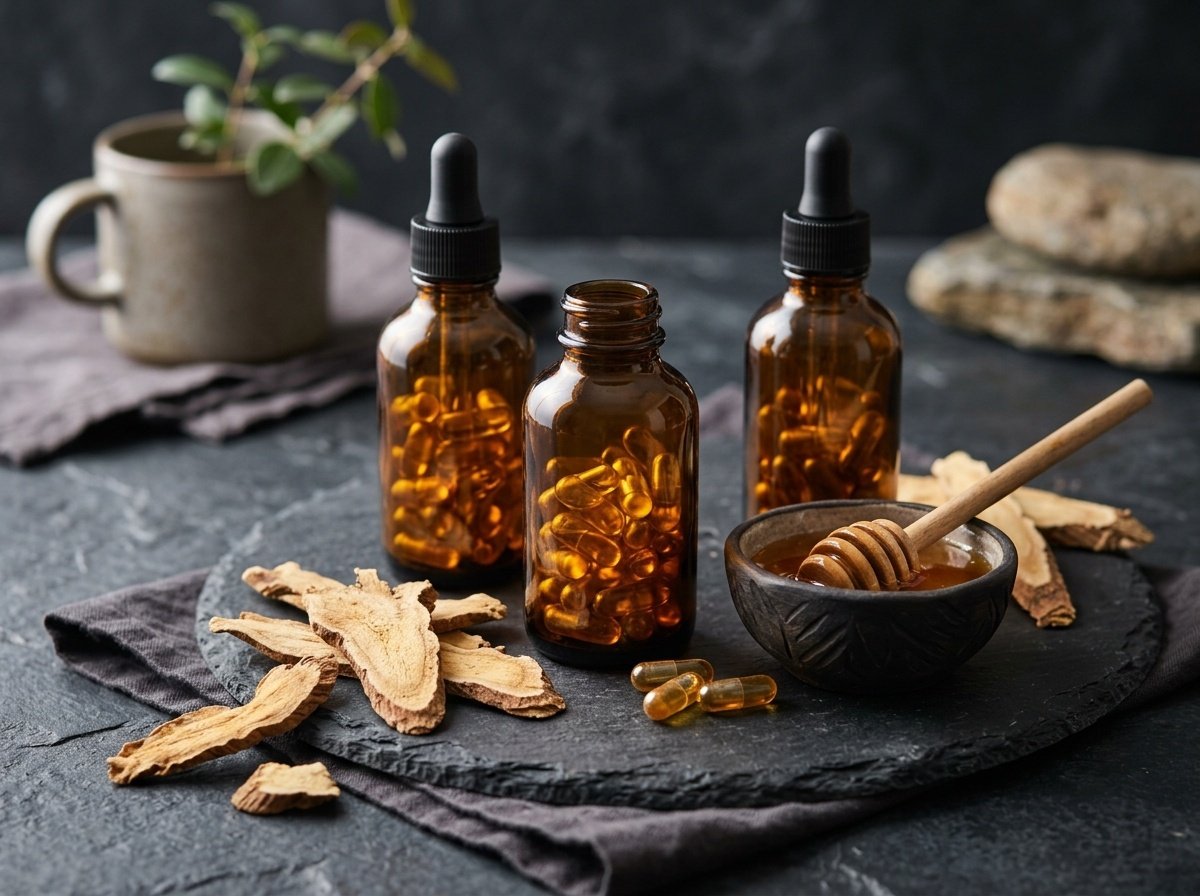
3. Bitterness Neutralization: Delicious Synergistic Recipes
- The Golden Rainforest Tonic (With Raw Honey & Ginger): During the last 5 minutes of boiling, add 2 fresh ginger slices and 1 Ceylon cinnamon stick. Strain into a cup and stir in 1 tablespoon of raw organic honey. Explore our Raw Honey Guide.
- Cold Brew Tongkat Ali Citrus Infusion: Brew a concentrated decoction, let it cool completely, and refrigerate overnight with fresh mint leaves and fresh lemon slices. Serve over ice for a revitalizing summer tonic.
- Tongkat Ali Coffee Booster: Use 50ml of concentrated brewed Tongkat Ali tea as the hot liquid base for your morning espresso or French press coffee.
4. Boiling Sliced Roots vs. Root Powder vs. Standardized Capsules
| Form of Tongkat Ali | Preparation Time | Bioactive Concentration | Best Suited For |
|---|---|---|---|
| Sliced Root Chips (Traditional) | 15–20 min boiling | Variable (Full spectrum crude quassinoids) | Traditional wellness enthusiasts, home brewing rituals, multi-boil reuse |
| Ground Root Powder | 5–10 min simmer | Medium (Requires fine filtering) | Smoothies, fast morning teas, herbal pastes |
| Standardized Extract Capsules | Instant (Water) | High (Standardized to 1%–2% eurycomanone) | Precise athletic dosing, busy professionals, zero-bitterness preference |
5. Frequently Asked Questions (FAQ)
1. Can I reuse the boiled root slices for another cup?
Yes. Dense Tongkat Ali root chips can be re-boiled 2 to 3 times. Store the used chips in a sealed container in the refrigerator between brews.
2. What is the best time of day to drink boiled Tongkat Ali tea?
Morning after breakfast or 45 minutes prior to strength training. Avoid drinking it late in the evening to prevent sleep disturbances.
3. Can I drink Tongkat Ali tea on an empty stomach?
Due to the intense natural bitterness and quassinoid concentration, sensitive individuals may experience mild nausea on a completely empty stomach. Consuming after a light meal is recommended.
4. Does adding honey or lemon destroy the active eurycomanone?
No. Eurycomanone is remarkably stable. Adding raw honey, lemon juice, or cinnamon does not degrade its bioactivity and significantly improves palatability.
5. How long can I store brewed Tongkat Ali tea in the fridge?
Freshly brewed decoctions can be stored in a sealed glass bottle in the refrigerator for up to 4 to 5 days without loss of potency.
6. Is boiled tea more effective than standardized capsules?
Both have unique advantages: boiled tea offers a full-spectrum traditional botanical experience, while standardized capsules provide precise, lab-verified milligram dosing of eurycomanone without the bitterness.
7. What cookware should I use to boil Tongkat Ali?
Use glass, ceramic, or high-grade stainless steel pots. Avoid reactive aluminum or untreated cast iron cookware.
8. How many cups of Tongkat Ali tea should I drink per day?
One cup (approx. 200ml to 250ml of brewed decoction from 5g of root) per day is optimal. Follow a 5 days on / 2 days off cycling routine.
9. Can I mix boiled Tongkat Ali with Malaysian Tongkat Ali?
Yes. Combining Tongkat Ali decoction with Malaysian Tongkat Ali tea creates an extraordinary synergy for male stamina, physical endurance, and vascular circulation.
10. Where can I find laboratory-certified adaptogens and herbs?
Discover authentic Malaysian Tongkat Ali roots, pure 6-Year Malaysian Tongkat Ali, and premium adaptogens at The Max Health Best Sellers hub.
6. Official Scientific Sources & Clinical References
- Journal of Ethnopharmacology: “Traditional aqueous extraction and pharmacological characterization of Eurycoma longifolia Jack (Tongkat Ali) roots.” — PubMed PMID: 12895667
- Phytomedicine: “Thermostability and aqueous solubility of quassinoids and eurycomanone in standardized Eurycoma longifolia decoctions.” — PubMed PMID: 20348112
- Natural Product Communications: “Phytochemical profiling of Eurycoma longifolia water extracts: Bioactive quassinoid markers and quality standardization.” — PubMed PMID: 24749258
- Food Chemistry: “Antioxidant capacity and phenolic content of traditional medicinal root decoctions from Southeast Asian tropical rain forests.” — PubMed PMID: 21807142
- Harvard Health Publishing: “Herbal teas and botanical decoctions: Maximizing phytonutrient extraction while protecting active bioactives.” — Harvard Medical School Guidelines
Authentic Certified Malaysian Tongkat Ali Roots & Extracts
Experience the genuine power of sustainably harvested Malaysian Tongkat Ali roots and standardized extracts. Enjoy express global air delivery (3–5 days):
Explore Top Rated Botanical Products →