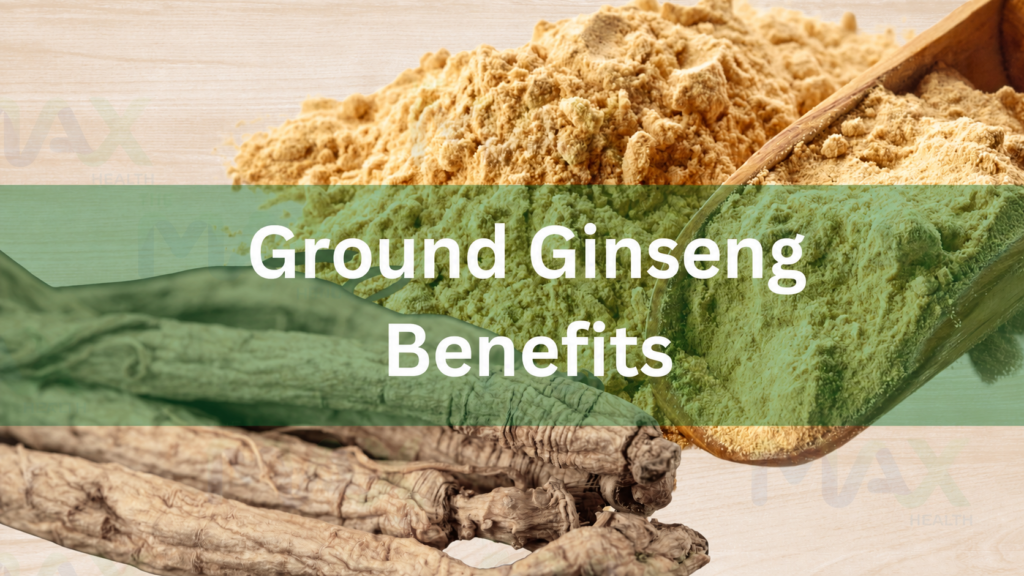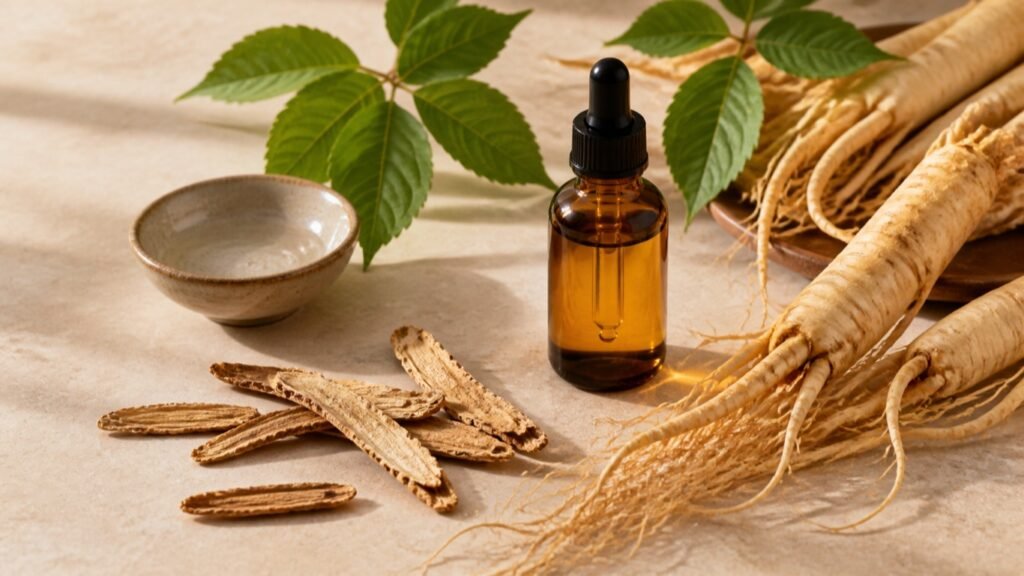

Korean Red Ginseng Tea (Hongsam-cha, 홍삼차) represents the most accessible, soothing, and bioavailable method to harness the therapeutic power of mature Panax ginseng without relying on synthetic pills or processed extracts. A steaming cup of authentic red ginseng tea combines centuries of Korean royal herbal tradition with validated pharmacological benefits—delivering smooth physical stamina, laser-sharp cognitive clarity, adaptive stress resistance, and microvascular blood flow support.
🍵 Clinical Fast Takeaway: Unlike raw white ginseng, Korean Red Ginseng undergoes specialized repeated steaming and natural sun-curing at 6 years of maturity. This hydrothermal process transforms delicate native ginsenosides into highly potent, heat-stable secondary ginsenosides (such as Rg3, Rh1, Rh2, and compound K), which dissolve effortlessly into hot water to support endothelial nitric oxide release, cellular ATP synthesis, and immune modulation (PMID: 23717168).
Why Choose Red Ginseng Tea Over Capsules or Raw Extracts?
While standardized capsules and concentrated pastes provide precise milligrams of botanical extract, whole-herb tea decoction offers distinct biochemical and physiological advantages:
- Superior Gastrointestinal Absorption: Warm liquid decoctions bypass the dissolution lag of compressed tablets and gelatin capsules, allowing mucosal absorption across the stomach lining and proximal duodenum within minutes.
- Full-Spectrum Phytochemical Synergies: Boiling whole root slices extracts not only lipophilic ginsenosides but also water-soluble acidic polysaccharides (ginsan), polyacetylenes, peptidoglycans, and trace minerals that act synergistically to boost macrophage activity (PMID: 29630048).
- Hydration & Gentle Stimulation: Sipping warm tea provides progressive thermodynamic stimulation to the digestive tract and circulatory system, preventing the abrupt blood sugar fluctuations or gastric irritation sometimes associated with raw alcohol-based tinctures.
- Mindful Daily Ritual: The aromatic sensory experience of sipping earthy, slightly bitter ginseng tea stimulates the vagus nerve and activates the parasympathetic relaxation response prior to demanding cognitive or physical exertion.
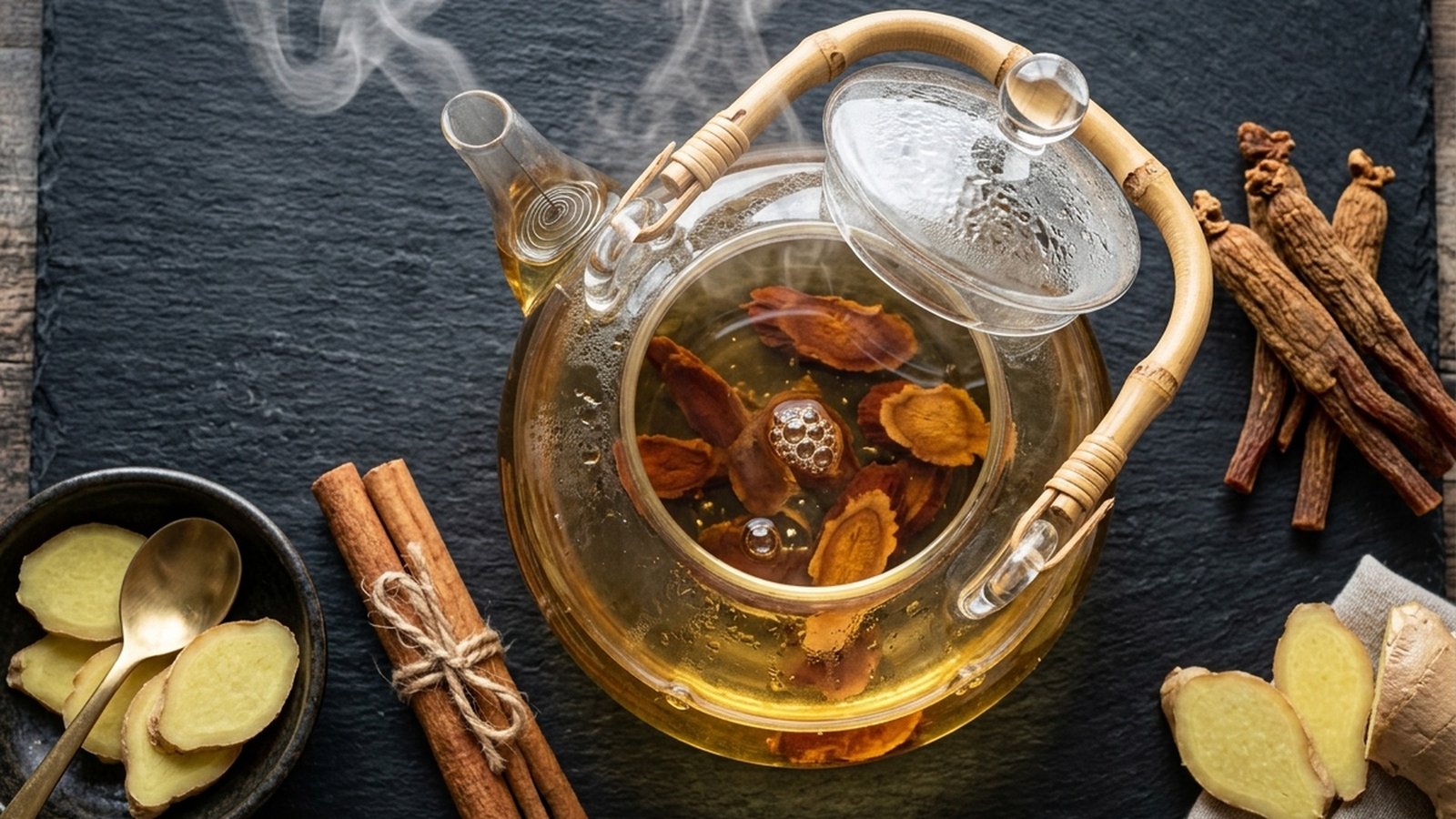
Figure 1: Traditional ceramic slow decoction of Korean red ginseng root slices allows maximal water-soluble ginsenoside extraction.
Top 6 Scientifically Proven Benefits of Korean Red Ginseng Tea
1. Endothelial Nitric Oxide & Microvascular Blood Flow
Secondary ginsenosides, particularly ginsenoside Rg3, directly stimulate endothelial nitric oxide synthase (eNOS) in smooth vascular muscle tissue. Nitric oxide signals the vascular walls to relax and dilate, reducing peripheral arterial resistance, enhancing oxygen transport to vital organs, and supporting firm erectile hemodynamics in men (PMID: 12605613).
2. Clean Cellular ATP Energy Without Caffeine Jitters
Unlike coffee or synthetic energy drinks that trigger central nervous system spikes via adenosine receptor blockade, red ginseng tea enhances mitochondrial energy production at the cellular level. Ginsenosides promote the phosphorylation of AMP-activated protein kinase (AMPK), stimulating glucose uptake into myocytes and increasing ATP yield without inducing cardiac tachyarrhythmia, anxiety, or post-caffeine crashes.
3. HPA-Axis Cortisol Regulation & Adaptive Stress Resilience
As a premier botanical adaptogen, Korean red ginseng modulates the hypothalamic-pituitary-adrenal (HPA) axis. During periods of chronic psychological distress, heavy workload, or intense physical training, ginsenosides normalize circulating serum cortisol levels, preserving cognitive endurance and preventing adrenal exhaustion (PMID: 28852374).
4. Neuroprotection, Memory & Executive Focus
Bioactive ginsenosides Rg1 and Rb1 cross the blood-brain barrier to promote brain-derived neurotrophic factor (BDNF) synthesis and cholinergic neurotransmission. Regular consumption of red ginseng tea enhances working memory, reaction speed, and mental stamina during complex cognitive tasks (PMID: 32675979).
5. Systemic Immune Priming & Natural Killer (NK) Cell Activation
The water-soluble acidic polysaccharides in red ginseng decoctions act as potent biological response modifiers. Clinical trials demonstrate that daily red ginseng tea intake boosts circulating white blood cell counts, elevates immunoglobulin (IgG and IgM) titers, and enhances the cytotoxic activity of Natural Killer (NK) cells against seasonal pathogens.
6. Glycemic Balance & Metabolic Optimization
Ginsenoside compound K and Rb2 enhance peripheral insulin receptor sensitivity in skeletal muscle tissue while moderating hepatic gluconeogenesis. Consuming red ginseng tea with or after meals helps smooth postprandial glucose excursions, making it an excellent supportive beverage for metabolic wellness.
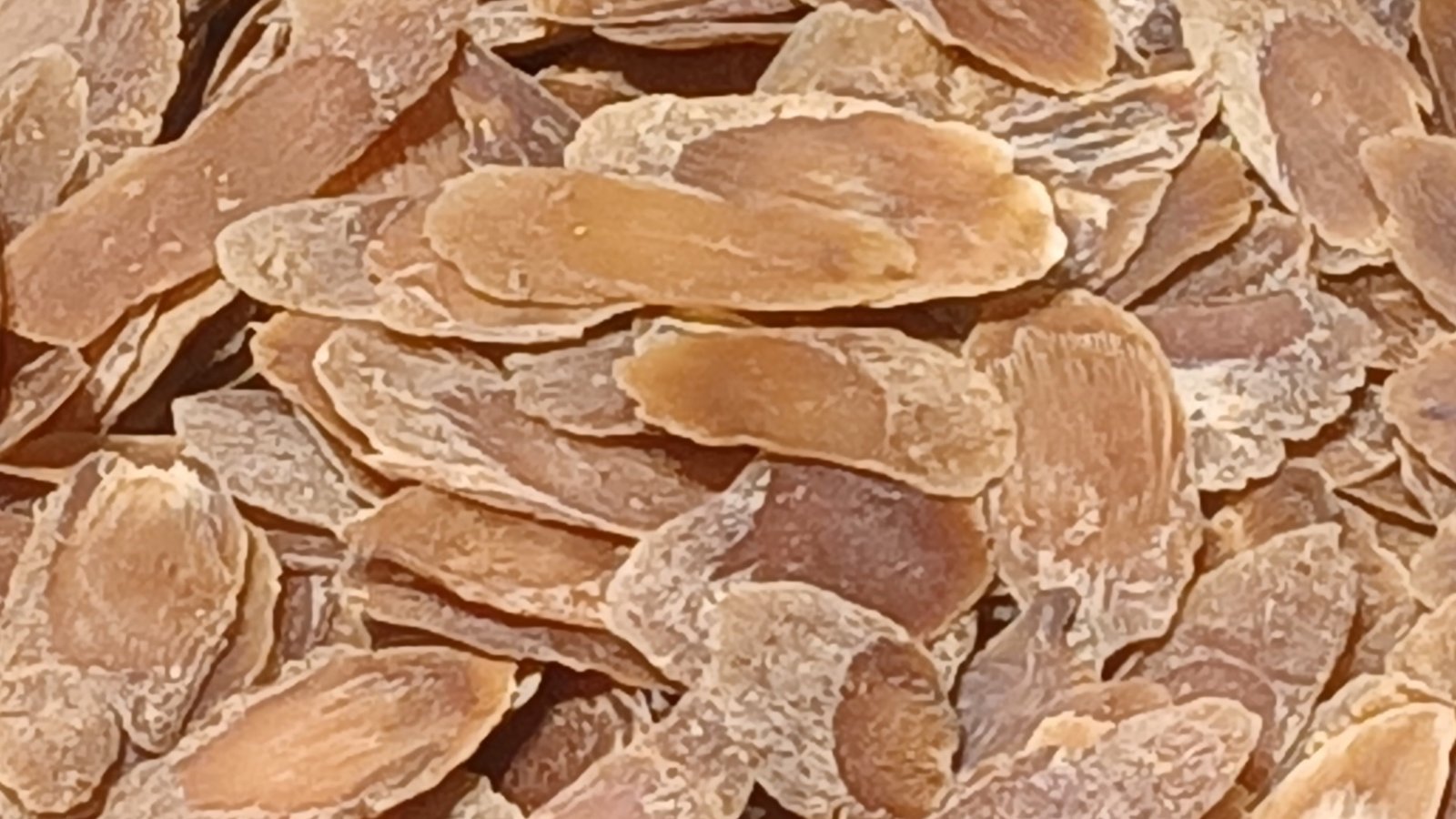
Figure 2: Cured Korean red ginseng root slices ready for water decoction, rich in heat-stable therapeutic ginsenosides Rg3 and Rh1.
5 Proven Methods to Brew Korean Red Ginseng Tea
Depending on whether you have whole dried roots, sliced roots, fine powder, or liquid extract, choose the brewing method that suits your schedule and kitchen setup:
Method 1: The Traditional Slow Decoction (Whole or Sliced Roots) — Gold Standard
Best For: Maximum extraction of ginsenosides and polysaccharides for high-potency daily health maintenance.
- Ingredients: 15–20g of 6-year-old Korean red ginseng root slices, 1 liter of filtered spring water, 3–4 dried red dates (jujubes), and 2 thin slices of fresh ginger (optional, for stomach warmth).
- Step 1: Place root slices, jujubes, and ginger into a ceramic or glass decoction pot (avoid unlined aluminum or cast iron).
- Step 2: Bring water to a gentle boil, then immediately reduce heat to the lowest simmer setting.
- Step 3: Cover with a lid and simmer gently for 45 to 60 minutes until the liquid reduces by approximately one-third and turns a rich golden-amber hue.
- Step 4: Strain into a ceramic cup and enjoy warm. Store remaining liquid in a sealed glass bottle in the refrigerator for up to 5 days. Root slices can be re-brewed for a second lighter batch.
Method 2: Quick Ceramic Mug Infusion (Root Slices)
Best For: Busy mornings at home or at the office.
- Ingredients: 3–5 thin slices (approx. 2–3g) of Korean red ginseng, 250ml of freshly boiled water (95°C / 203°F).
- Step 1: Place ginseng slices into a pre-warmed ceramic mug with a tight-fitting lid or tea infuser.
- Step 2: Pour boiling water directly over the roots and cover immediately to trap volatile botanical oils.
- Step 3: Allow to steep undisturbed for 15 to 20 minutes.
- Step 4: Drink the infused tea slowly. Pro tip: Chew and swallow the softened ginseng slices at the bottom of the cup to ingest remaining insoluble phytonutrients.
Method 3: Instant Red Ginseng Powder Whisk (Matcha Style)
Best For: Rapid bioavailability and zero preparation waste.
- Ingredients: 1g to 2g of micro-pulverized 100% pure Korean red ginseng root powder, 200ml hot water (80°C–85°C), 1 teaspoon raw organic honey.
- Step 1: Add ginseng powder to a wide teacup or bowl.
- Step 2: Pour in a small splash (30ml) of warm water and whisk vigorously with a bamboo whisk or small frother until fully dissolved into a smooth froth.
- Step 3: Top up with remaining hot water, stir in honey, and consume immediately.
Method 4: Thermos Overnight Steep (Travel & Commute)
Best For: Travelers, athletes, and professionals on the go.
- Ingredients: 5–7 slices of red ginseng, 500ml boiling water in a high-grade insulated stainless steel vacuum flask.
- Step 1: Place roots in the flask and fill to the brim with boiling water.
- Step 2: Seal tightly and allow the thermos to maintain thermal pressure for 4 to 8 hours (or overnight).
- Step 3: By morning, the sustained heat creates an intensely potent, dark, aromatic tea ready to sip throughout your day.
Method 5: Synergistic Adaptogen Vitality Tonic (Ginseng + Tongkat Ali + Goji)
Best For: Male hormonal optimization, athletic stamina, and deep restorative energy.
- Ingredients: 10g Korean red ginseng slices, 3g authentic yellow Tongkat Ali root chips, 1 tablespoon dried organic goji berries (Lycium barbarum), 750ml water.
- Step 1: Combine all herbs in a ceramic teapot and simmer gently on low heat for 40 minutes.
- Step 2: Strain into a mug. The natural sweetness of goji berries balances the intense bitterness of Tongkat Ali while red ginseng enhances vascular uptake.
Looking for 100% Authentic 6-Year Korean Red Ginseng?
Elevate your daily vitality ritual with certified Geumsan 6-year-old Panax ginseng—cultivated in nutrient-rich mountain soil and verified for clinical ginsenoside concentrations.
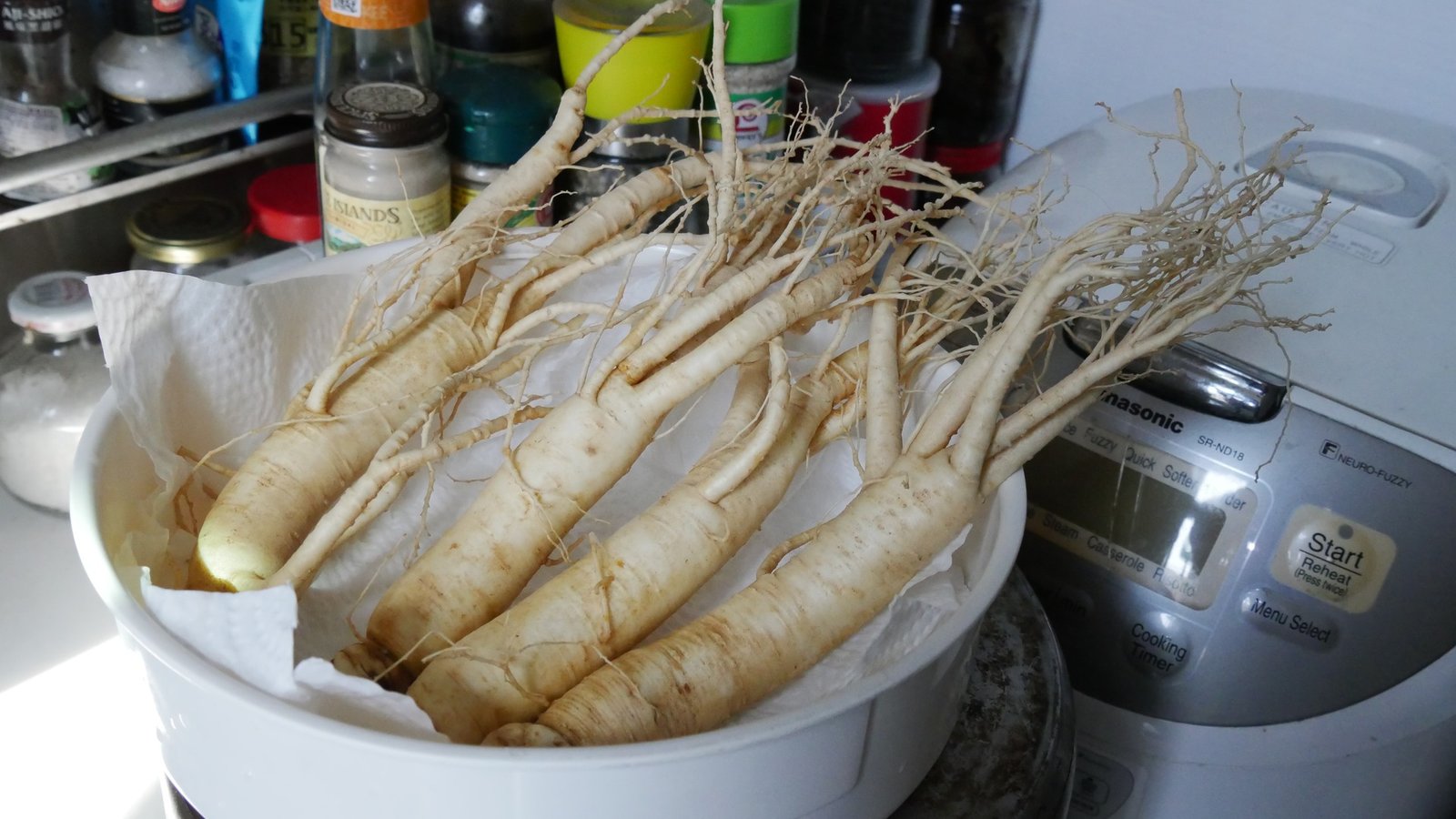
Figure 3: Mature whole Panax ginseng root featuring intact taproot and lateral rootlets for full-spectrum herbal tea decoctions.
Optimal Timing, Dosage & Cycling Protocols
| User Objective | Daily Tea Intake | Optimal Timing | Recommended Cycling |
|---|---|---|---|
| General Wellness & Energy | 1 cup (1–2g root equivalent) | Morning with breakfast | Continuous or 5 days on / 2 off |
| Cognitive Focus & Work Stamina | 1–2 cups (2–3g root equivalent) | Morning & early afternoon (by 2 PM) | 6 weeks on / 2 weeks off |
| Athletic & Sexual Performance | 2 cups (3–5g root decoction) | 60–90 minutes before activity | 8 weeks on / 2 weeks off |
| Immune Priming (Winter / Travel) | 1 strong cup with honey & jujube | Mid-morning on empty stomach | 4–8 consecutive weeks |
Safety Precautions, Interactions & contraindications
Clinical Safety Guidelines:
- Avoid Late Evening Consumption: Due to its stimulant effects on dopamine and cellular energy, consuming red ginseng tea within 4 hours of bedtime may disrupt sleep architecture or cause mild insomnia.
- Anticoagulants & Blood Thinners: Ginsenosides possess mild antiplatelet activity. Individuals taking Warfarin, Heparin, or high-dose Aspirin should consult their physician before daily consumption.
- Diabetic Medications: Because red ginseng enhances insulin sensitivity and lowers fasting blood sugar, monitor glucose levels carefully to prevent hypoglycemic episodes when combining with insulin or Metformin.
- Hypertension Management: While moderate red ginseng tea intake generally supports vascular flexibility via nitric oxide, individuals with uncontrolled Stage 2 hypertension should begin with diluted infusions and monitor blood pressure.
Frequently Asked Questions (FAQs)
1. Can I reuse the ginseng root slices for a second batch of tea?
Yes. Six-year-old red ginseng slices contain dense root fibers that continue releasing ginsenosides during a second boil. After finishing your first pot, add fresh water and simmer for an additional 45 minutes, or simply chew and consume the softened slices.
2. What does authentic Korean red ginseng tea taste like?
Authentic red ginseng tea has a distinct earthy, warm, and bittersweet profile with a smooth woody undertone. If the bitterness is too pronounced, adding raw honey, dried red dates (jujubes), or a cinnamon stick naturally balances the flavor without degrading active ginsenosides.
3. Can I drink red ginseng tea every day?
Yes. Moderate consumption of 1 to 2 cups daily (representing 1g to 3g of root equivalent) is safe and beneficial for healthy adults. For long-term adaptogenic benefits, herbalists recommend cycling: 6 to 8 weeks of daily intake followed by a 1 to 2-week rest period.
4. Does boiling destroy the active ginsenosides in ginseng tea?
No. Unlike raw white ginseng, Korean red ginseng has already undergone extensive steaming during processing, converting native ginsenosides into heat-stable forms such as Rg3, Rh1, and Rh2. Gentle simmering at 90°C–98°C actually maximizes their extraction into the water.
5. Can red ginseng tea replace morning coffee?
Absolutely. Red ginseng tea provides clean, steady physical and mental vitality by boosting cellular ATP and oxygen utilization without caffeine spikes, jitters, elevated heart rate, or afternoon energy crashes.
6. What is the best cookware material for brewing ginseng tea?
Ceramic, earthenware, borosilicate glass, or enamel-coated pots are optimal. Avoid unlined aluminum, iron, or reactive metals, as metallic ions can chemically bind with polyphenol complexes and reduce bioavailability.
7. Is red ginseng tea safe for women?
Yes. Women benefit significantly from red ginseng tea for combating physical fatigue, supporting immune resilience, improving peripheral blood circulation, and easing hormonal transitions during perimenopause. Pregnant and breastfeeding women should consult their obstetrician before use.
8. How long can I store brewed ginseng tea in the refrigerator?
A strained batch of brewed red ginseng tea can be stored in an airtight glass container in the refrigerator for up to 5 to 7 days. It can be reheated gently or enjoyed as a refreshing chilled herbal iced tea.
9. Can I combine red ginseng tea with other herbs like Tongkat Ali or Maca?
Yes. Korean red ginseng pairs synergistically with Tongkat Ali for male endocrine support and with Maca root or Cordyceps for athletic endurance. When combining herbs, maintain moderate dosages for each ingredient.
10. How quickly will I feel the effects of drinking red ginseng tea?
Mild alertness, digestive warmth, and improved mental clarity are typically noticed within 30 to 60 minutes after consumption. Deeper cumulative benefits—such as enhanced physical stamina, immune resistance, and vascular vitality—build progressively over 2 to 4 weeks of consistent daily use.
Conclusion: Elevate Your Health with the Royal Ginseng Ritual
Korean Red Ginseng Tea is more than an ancient herbal infusion—it is a clinically validated, holistic tonic that rejuvenates cellular energy, optimizes vascular circulation, and balances the nervous system. By incorporating authentic 6-year-old root decoctions into your morning routine, you invest in sustainable vitality, sharp mental focus, and long-term health.