Modern pharmacotherapy has revolutionized the management of chronic health conditions, from hypertension and depression to hair loss and pain management. However, a significant and often under-discussed consequence of many widely prescribed pharmaceuticals is their profound impact on human sexual function. Millions of men and women quietly experience diminished libido, erectile dysfunction, delayed ejaculation, or anorgasmia without realizing that their daily prescription is the primary underlying cause. Because intimate vitality directly impacts psychological well-being and marital harmony, understanding the neurochemical and vascular pathways behind medication-induced sexual side effects is essential. In this comprehensive full-length guide, we examine the primary drug classes responsible, the biological mechanisms involved, practical communication strategies with your prescribing physician, evidence-based lifestyle countermeasures, and official clinical scientific citations.
Looking for Certified Botanical Adaptogens for Men’s Vitality 🌿?
Explore The Max Health Best Sellers Collection →1. How and Why Do Medications Affect Sexual Function?
Healthy sexual response requires an intricate interplay between neurotransmitters (dopamine, serotonin, nitric oxide), hormones (testosterone, DHT, prolactin), and the cardiovascular system. Medications typically impair intimate health through four primary biological mechanisms:
- Neurotransmitter Alteration (The Serotonin-Dopamine Axis): Dopamine fuels sexual desire, anticipation, and erection initiation. When medications artificially elevate central serotonin (such as SSRIs), 5-HT2A receptors are stimulated, suppressing dopamine release and blunting genital sensitivity and climax.
- Endocrine Disruption & Androgen Suppression: Drugs that block androgen receptors, inhibit 5-alpha reductase, or stimulate prolactin secretion drastically reduce bioavailable free testosterone and dihydrotestosterone (DHT).
- Vascular & Hemodynamic Changes: Antihypertensives that lower systemic arterial pressure reduce the driving perfusion pressure required to engorge the penile corpora cavernosa.
- Autonomic Nervous System Blunting: Medications that block beta-adrenergic or cholinergic receptors interfere with the delicate nerve signals responsible for smooth muscle relaxation and emission.
2. The 10 Primary Medication Classes That Affect Sexual Health
1. Antidepressants (SSRIs & SNRIs)
Selective Serotonin Reuptake Inhibitors (e.g., Fluoxetine, Sertraline, Paroxetine, Citalopram, Escitalopram) and Serotonin-Norepinephrine Reuptake Inhibitors (e.g., Venlafaxine, Duloxetine) have the highest incidence of sexual side effects, affecting between 50% and 70% of patients. Common manifestations include reduced libido, severe delayed ejaculation, and genital numbness. (Atypical antidepressants such as Bupropion and Mirtazapine carry significantly lower risks).
2. Antipsychotics & Mood Stabilizers
Drugs such as Risperidone, Haloperidol, and Olanzapine block dopamine D2 receptors in the pituitary gland, leading to elevated prolactin (hyperprolactinemia). High prolactin directly suppresses GnRH and testosterone synthesis, causing profound loss of libido and erectile failure.
3. Blood Pressure Medications (Antihypertensives)
Beta-blockers (e.g., Atenolol, Metoprolol, Propranolol) and Thiazide diuretics are notorious for causing erectile dysfunction by reducing cavernosal blood pressure and blunting adrenaline-mediated vascular reflexes. In contrast, Angiotensin II Receptor Blockers (ARBs like Losartan) and ACE inhibitors generally have neutral or even beneficial effects on erectile blood flow.
4. 5-Alpha Reductase Inhibitors (Finasteride & Dutasteride)
Prescribed for benign prostatic hyperplasia (BPH) and androgenetic male pattern baldness, these medications block the conversion of testosterone into dihydrotestosterone (DHT). In a subset of men, this causes diminished ejaculatory volume, loss of morning erections, and persistent low libido (often termed Post-Finasteride Syndrome).
5. Opioid Painkillers & Sedatives
Chronic use of opioids (Morphine, Oxycodone, Tramadol, Methadone) causes Opioid-Induced Androgen Deficiency (OPIAD) by suppressing hypothalamic LH secretion, resulting in severe testosterone depletion.
6. Antiepileptics & Migraine Medications
Anticonvulsants like Carbamazepine, Phenytoin, and Valproate induce hepatic cytochrome P450 enzymes that elevate Sex Hormone-Binding Globulin (SHBG), locking up free testosterone.
7. Antihistamines & Gastrointestinal Medications
Over-the-counter H1 antihistamines (Diphenhydramine) cause central sedation and anticholinergic dryness, while H2 blockers like Cimetidine possess weak anti-androgenic and prolactin-raising properties.
8. Hormonal Therapies & Contraceptives
Oral contraceptives and anti-androgens elevate SHBG levels, reducing free testosterone in both men and women and contributing to vaginal dryness or blunted libido.
9. Prostate Cancer & Endocrine Therapies
Androgen Deprivation Therapy (ADT) using GnRH agonists (Leuprolide) and anti-androgens (Bicalutamide) deliberately suppresses testosterone to near-castrate levels to arrest tumor growth, causing near-total loss of erectile function and libido.
10. Statins & Lipid-Lowering Medications
While statins improve long-term endothelial health by lowering LDL cholesterol, aggressive cholesterol reduction can occasionally cause mild, transient reductions in steroid hormone precursors in sensitive individuals.

3. How to Talk to Your Doctor: Structured Clinical Solutions
Never abruptly stop your prescribed medication without professional guidance. Halting psychiatric, cardiovascular, or neurological drugs suddenly can cause severe rebound illness, hypertensive crises, or withdrawal symptoms. Instead, follow this structured discussion strategy with your physician:
- Dose Titration: Discuss whether reducing to the lowest effective therapeutic dose relieves sexual side effects while maintaining clinical efficacy.
- Class Switching: Ask about alternative medications with superior sexual side effect profiles (e.g., switching from an SSRI to Bupropion, or from a Beta-blocker to an ARB like Losartan).
- Timing Adjustment: For medications with short half-lives, taking the dose immediately after intimacy or at bedtime may minimize daytime interference.
- Adjunctive Support: Inquire whether targeted nutritional supplements or temporary vasodilators can safely offset the side effects.
4. Evidence-Based Lifestyle & Botanical Countermeasures
- Endothelial Nitric Oxide Support: Enhance natural vascular responsiveness with nitrate-dense foods (spinach, beetroot) and raw nuts (walnuts, almonds).
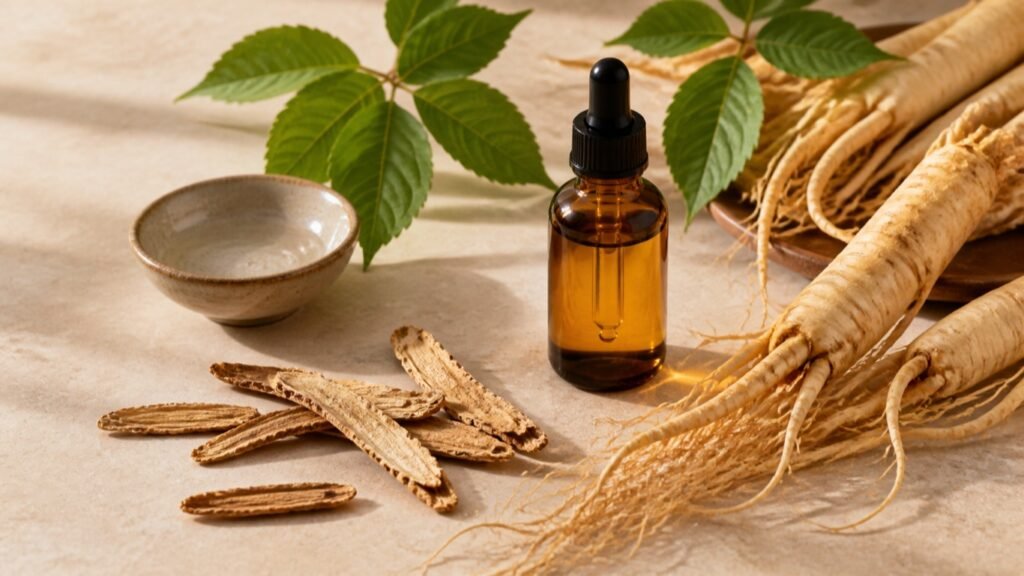
- Standardized 6-Year Korean Red Ginseng: Clinical studies show ginsenosides help counteract SSRI-induced sexual dysfunction by supporting central dopamine and cavernosal nitric oxide. Explore our Korean Red Ginseng Guide.
- Malaysian Tongkat Ali: Stimulates free testosterone and modulates cortisol. Explore our Tongkat Ali Guide.
- Targeted Pelvic Muscle Conditioning: Strengthen the ischiocavernosus muscles through daily Kegels. Explore our Pelvic Fitness Guide.
5. Frequently Asked Questions (FAQ)
1. What are the most common medications that impair sexual function?
Antidepressants (SSRIs/SNRIs), beta-blockers for hypertension, 5-alpha reductase inhibitors (Finasteride), and opioid painkillers.
2. Can I stop my prescription cold-turkey if I notice sexual side effects?
No. Abrupt cessation can be dangerous (causing antidepressant discontinuation syndrome, severe blood pressure spikes, or seizures). Always consult your physician first.
3. How long does it take for sexual function to return after switching medications?
Most patients observe noticeable improvements within 2 to 4 weeks after transitioning to a medication with a favorable sexual profile.
4. Can natural botanical supplements help offset medication side effects?
Yes. Adaptogens like Korean Red Ginseng, Tongkat Ali, and Maca provide substantial support for nitric oxide synthesis, libido, and energy.
5. Does physical exercise help counteract medication-induced fatigue?
Yes. Moderate resistance training and aerobic exercise stimulate endorphins, enhance endothelial health, and naturally optimize testosterone.
6. Do women experience different sexual side effects from medications?
Women experience similar pathways: decreased arousal, vaginal dryness, and delayed or absent orgasm (anorgasmia) from SSRIs and hormonal contraceptives.
7. When should I seek urgent medical evaluation?
If sexual changes are accompanied by chest pain, shortness of breath, severe depression, or a painful prolonged erection (priapism), seek emergency medical care immediately.
8. Does diet play a role in overcoming drug-induced vascular sluggishness?
Yes. A Mediterranean diet rich in dietary nitrates, antioxidants, and omega-3 fatty acids supports endothelial resilience against medication-induced constriction.
9. Can stress management techniques improve intimate response while on medications?
Yes. Mindfulness and parasympathetic breathing exercises lower sympathetic tone and cortisol, enabling spontaneous physical arousal.
10. Where can I find laboratory-tested natural supplements to support vitality?
Explore certified botanical extracts manufactured under GMP standards at The Max Health Best Sellers hub.
6. Official Scientific Sources & Clinical References
- New England Journal of Medicine (NEJM): “Antidepressant-induced sexual dysfunction: Incidence, mechanisms, and management strategies.” — PubMed PMID: 10580546
- Journal of Sexual Medicine (JSM): “Medication-associated sexual dysfunction in men and women: An updated clinical practice guideline.” — PubMed PMID: 27045261
- JAMA Internal Medicine: “Antihypertensive drugs and sexual dysfunction: A comparative clinical review of beta-blockers, thiazides, and renin-angiotensin inhibitors.” — PubMed PMID: 11796128
- The Lancet Psychiatry: “Treatment-emergent sexual dysfunction related to psychotropic medications: Biological pathways and management algorithms.” — PubMed PMID: 28552599
- Harvard Health Publishing: “When prescription drugs cause sexual problems: How to find safer alternatives with your doctor.” — Harvard Medical School Guidelines
Authentic Botanical Adaptogens for Men’s Vitality
Looking for lab-tested botanical solutions to enhance daily physical stamina, microcirculation, and overall wellness? Discover our verified product collections with express international air shipping (3–5 days):
Explore Top Rated Natural Products →